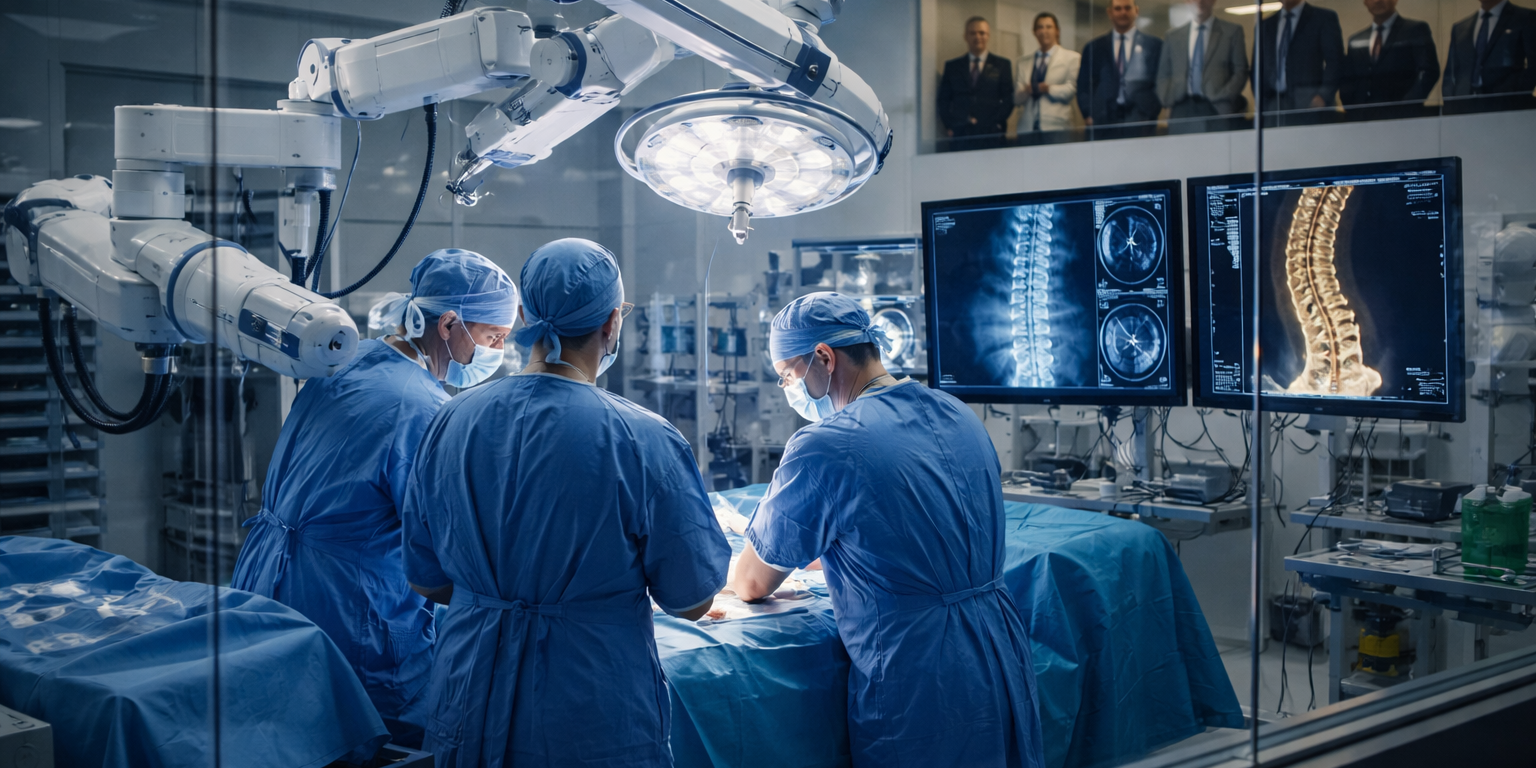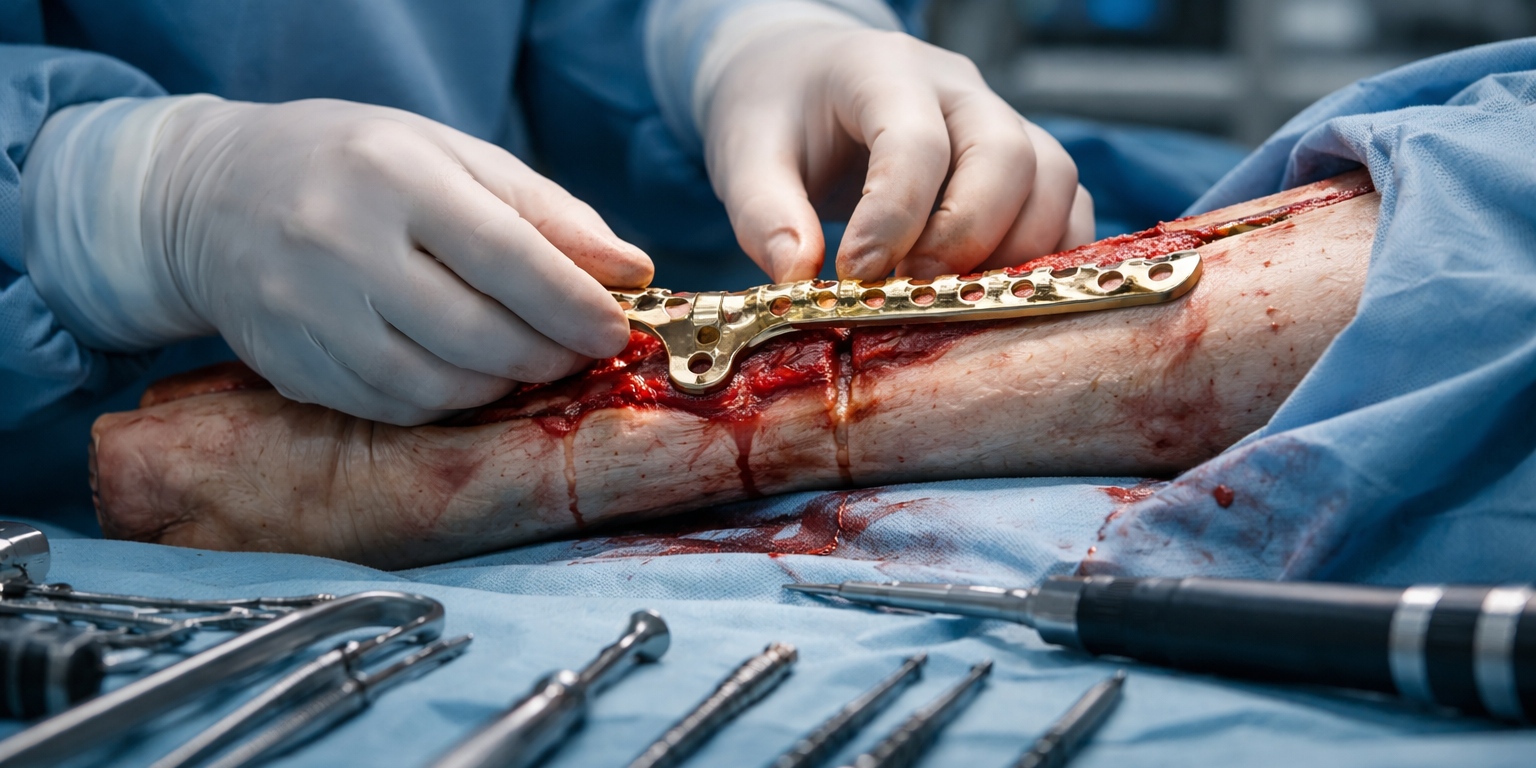
Stryker Corp. introduced its Pangea Plating System on May 26, a modular instrumentation platform designed for orthopedic trauma surgeons working on fracture fixation in upper and lower extremities. The system includes pre-contoured plates, locking screws, and instrument trays engineered to reduce setup time in emergency trauma cases, where speed matters as much as precision. Stryker's surgical division generated $7.8 billion in revenue last year, accounting for roughly half the company's total sales, and the Pangea launch signals continued investment in the trauma segment even as competitors like Zimmer Biomet and Smith & Nephew consolidate their orthopedic portfolios. For robotics investors, the move underscores how automation in surgery extends beyond high-profile systems like Mako into prosaic but lucrative instrumentation that standardizes technique and captures procedural data.
The Pangea name references the ancient supercontinent, a metaphor Stryker uses to describe the system's modularity across anatomical regions. Plates designed for distal radius fractures share instrument architecture with those intended for tibial plateau injuries, reducing the cognitive load on surgical techs who prepare operating rooms under time pressure. This design philosophy mirrors trends in industrial robotics, where modular end effectors and standardized interfaces reduce changeover time on assembly lines. Stryker's trauma division competes in a global market worth approximately $9 billion annually, growing at roughly 5 percent as aging populations and active lifestyles drive fracture incidence. The company holds roughly 18 percent market share in trauma fixation devices, trailing DePuy Synthes but leading in certain anatomical niches like distal radius and ankle fractures where Pangea targets adoption.
Stryker's broader robotics strategy revolves around Mako, the robotic arm platform acquired for $1.65 billion in 2013 that now operates in more than 1,400 hospitals worldwide. Mako generates recurring revenue through single-use instruments and software subscriptions tied to each procedure, a business model Stryker has replicated across its surgical portfolio. The Pangea system does not include robotic components but shares the data capture philosophy that makes Mako valuable: every plate applied, every screw torqued, every surgical step contributes to a database Stryker uses to refine instrumentation and pitch outcomes data to hospital procurement committees. This data moat matters in an era when hospital systems negotiate volume-based contracts that reward suppliers who can demonstrate reduced complication rates and shorter operative times. Zimmer Biomet's Rosa robotic platform and Smith & Nephew's Cori system compete for similar data capture in orthopedics, but neither company matches Stryker's installed base or procedure volume, giving Stryker an edge in training algorithms that could eventually guide autonomous surgical steps.
The timing of the Pangea launch coincides with hospital budget cycles that favor capital equipment purchases in the second and third quarters. Stryker's sales force typically bundles trauma instrumentation with Mako placements, offering integrated contracts that lock hospitals into multi-year commitments. This approach has drawn scrutiny from antitrust observers, but hospitals tolerate bundling because it simplifies procurement and reduces the number of vendor relationships surgical departments must manage. For investors evaluating robotics exposure, Stryker represents a hybrid play: surgical robotics with Mako, instrumentation automation with platforms like Pangea, and adjacent businesses in hospital beds, emergency transport equipment, and endoscopy that benefit from the same data integration. The company's market capitalization hovers near $140 billion, making it the largest pure-play medical device manufacturer and a bellwether for surgical automation adoption. Competitors like Intuitive Surgical trade at higher multiples due to their robotic-surgery focus, but Stryker's diversified portfolio offers downside protection when procedure volumes fluctuate.
What to Watch: Monitor Stryker's third-quarter earnings in October 2026 for Pangea adoption metrics, particularly instrument set placements in Level 1 trauma centers where high case volumes justify dedicated inventory. Watch for partnership announcements with orthopedic residency programs, which would signal Stryker's intent to standardize surgical education around its plating architecture. Track competitive responses from DePuy Synthes, whose Trauma division has remained quiet on new product launches since late 2024. Finally, observe FDA filings for AI-assisted surgical planning tools that could integrate with Pangea instrumentation, bridging the gap between preoperative imaging and intraoperative execution.