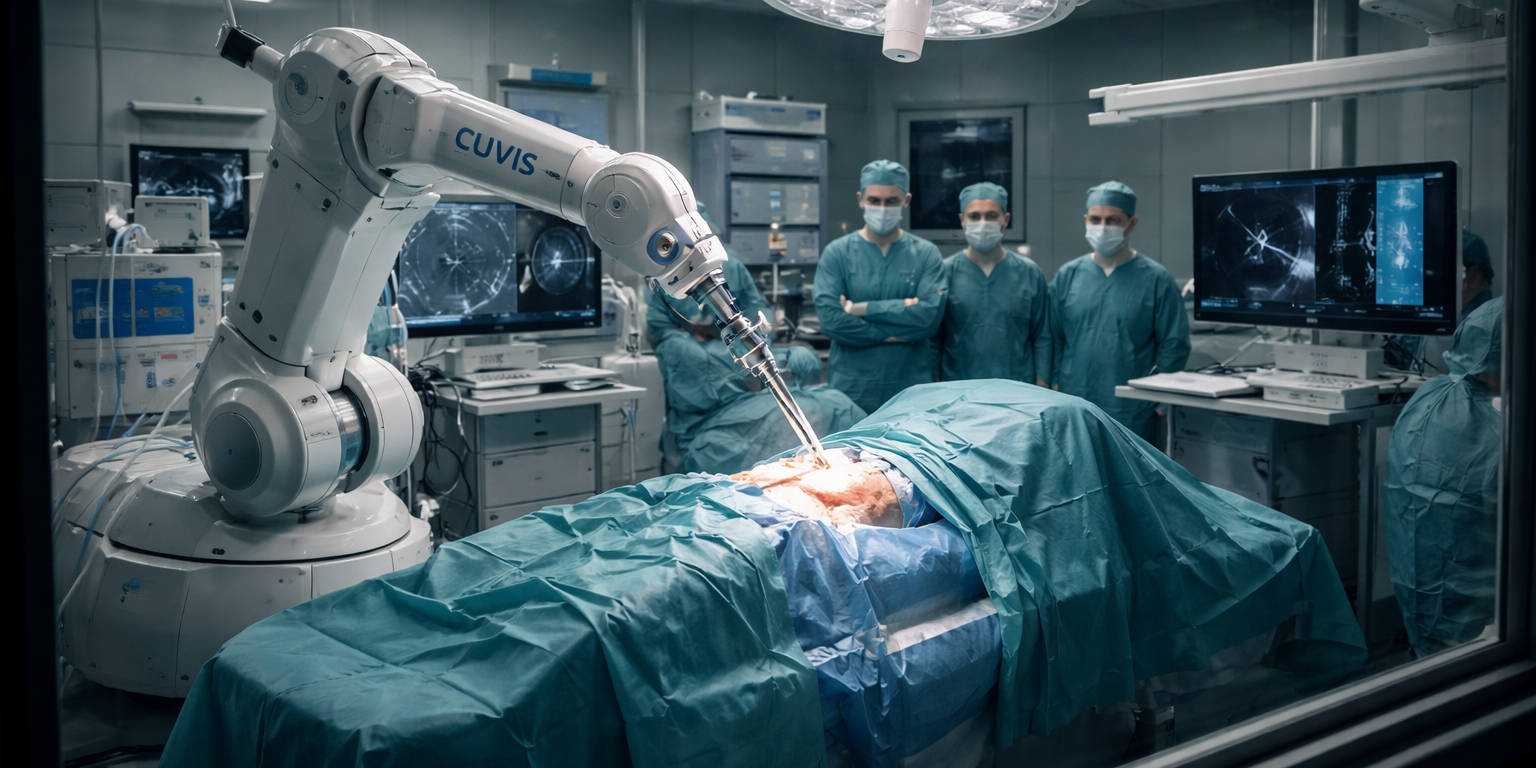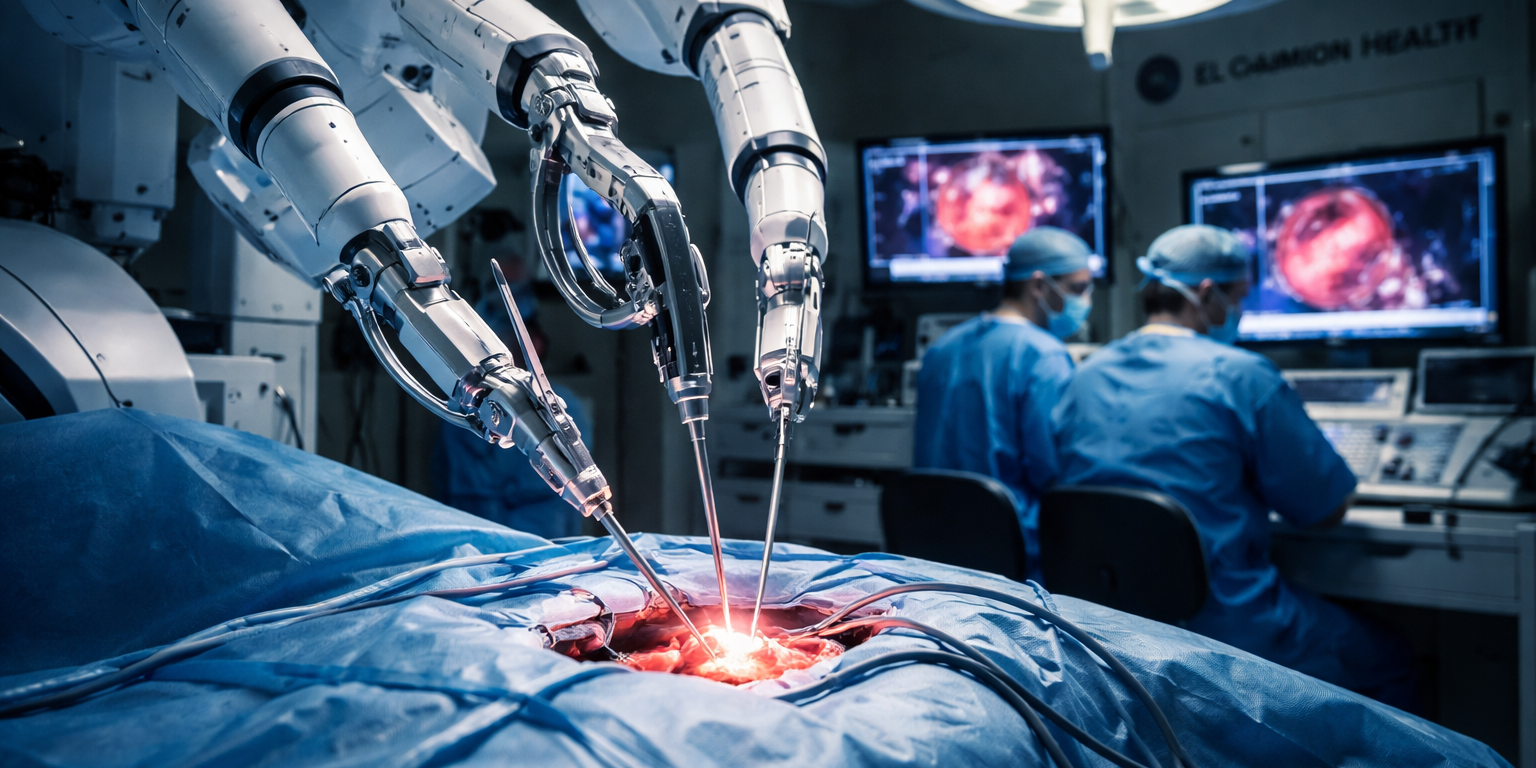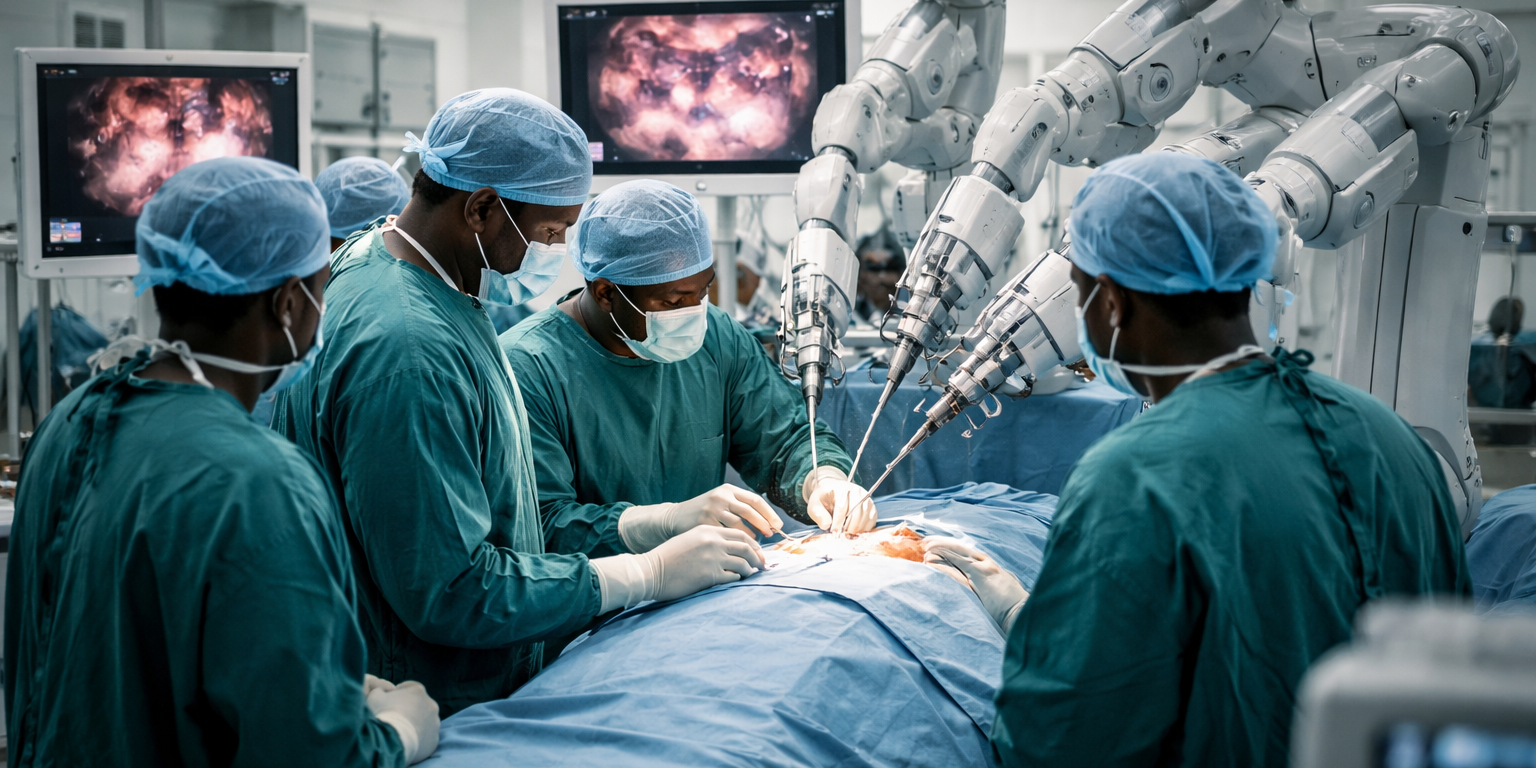
A public hospital in Owerri completed its first robotic-assisted surgery earlier this month, extending surgical robotics beyond Nigeria's private medical centers for the first time in the country's southeast region. Imo Specialist Hospital, a state government facility serving Imo State's 5.4 million residents, performed the procedure using a platform acquired through the state Ministry of Health's capital equipment modernization program. The hospital has not disclosed the robotic system's manufacturer, procedure type, or patient outcome, though hospital administrators confirmed the surgery took place in the facility's newly renovated operating theater.
Nigeria's surgical robotics market has remained concentrated in Lagos and Abuja, where private hospitals serving international patients and affluent Nigerians have installed da Vinci systems and competing platforms over the past eight years. Public hospitals, constrained by limited budgets and infrastructure challenges including inconsistent power supply, have largely avoided robotics investments. Imo Specialist Hospital's deployment represents a departure from that pattern. The facility operates under Imo State's healthcare budget, which allocated ₦12.8 billion ($8.2 million at current exchange rates) for capital projects in the 2026 fiscal year. Medical robotics companies including Intuitive Surgical, Medtronic, and CMR Surgical have expanded their sub-Saharan Africa sales teams since 2024, targeting public-private partnerships and government health ministries as reimbursement models evolve across the continent's largest economies.
The Owerri deployment arrives as Nigeria's federal government pushes to reduce medical tourism, which costs the country an estimated $1.2 billion annually as patients travel to India, the United Arab Emirates, and Europe for procedures unavailable domestically. Advanced surgical capabilities, particularly in oncology and urology, remain scarce outside Lagos. Imo State Governor Hope Uzodimma has prioritized healthcare infrastructure since taking office, inaugurating four new primary healthcare centers and upgrading three specialist facilities between 2024 and 2026. The robotic surgery program builds on those investments. Hospital officials indicated that surgical teams received training from the robotics platform manufacturer, though they did not specify whether training occurred onsite in Owerri or at an international facility. Surgeon training timelines for robotic platforms typically span 12 to 16 weeks, including both simulator-based instruction and proctored procedures.
Broader adoption across Nigeria's public hospital network faces practical obstacles beyond capital costs. Surgical robotics require stable power infrastructure, specialized maintenance contracts, and consistent supply chains for proprietary instruments and accessories. Many Nigerian public hospitals operate backup generators due to unreliable grid power, adding operational costs that can undermine robotics programs' economic viability. Disposable instrument costs for robotic procedures typically run $1,200 to $2,800 per case, substantially above traditional laparoscopic surgery costs. Nigeria's National Health Insurance Authority, which covers approximately 17 million citizens through various schemes, has not yet published reimbursement rates for robotic-assisted procedures, creating uncertainty for hospitals considering similar investments. Despite these challenges, the Imo deployment could influence procurement decisions across Nigeria's 36 state governments. Delta State and Enugu State both allocated funds for specialist hospital upgrades in their 2026 budgets, though neither has publicly committed to surgical robotics acquisitions. Medical technology distributors active in West Africa report increased inquiry volume from public hospital administrators seeking information on robotic platforms, maintenance requirements, and financing structures.
What to Watch: Monitor whether Imo Specialist Hospital discloses case volume targets and the specific robotic platform in use, which will signal the program's operational scale and commercial partner. Track procurement announcements from Delta State and Enugu State health ministries through Q4 2026 for evidence of regional momentum. Watch for updates from Nigeria's National Health Insurance Authority on reimbursement policy for robotic procedures, which would directly impact adoption economics across public facilities. Observe whether international robotics manufacturers announce dedicated service centers or training facilities in Nigeria's southeast, indicating long-term commercial commitment to the region.