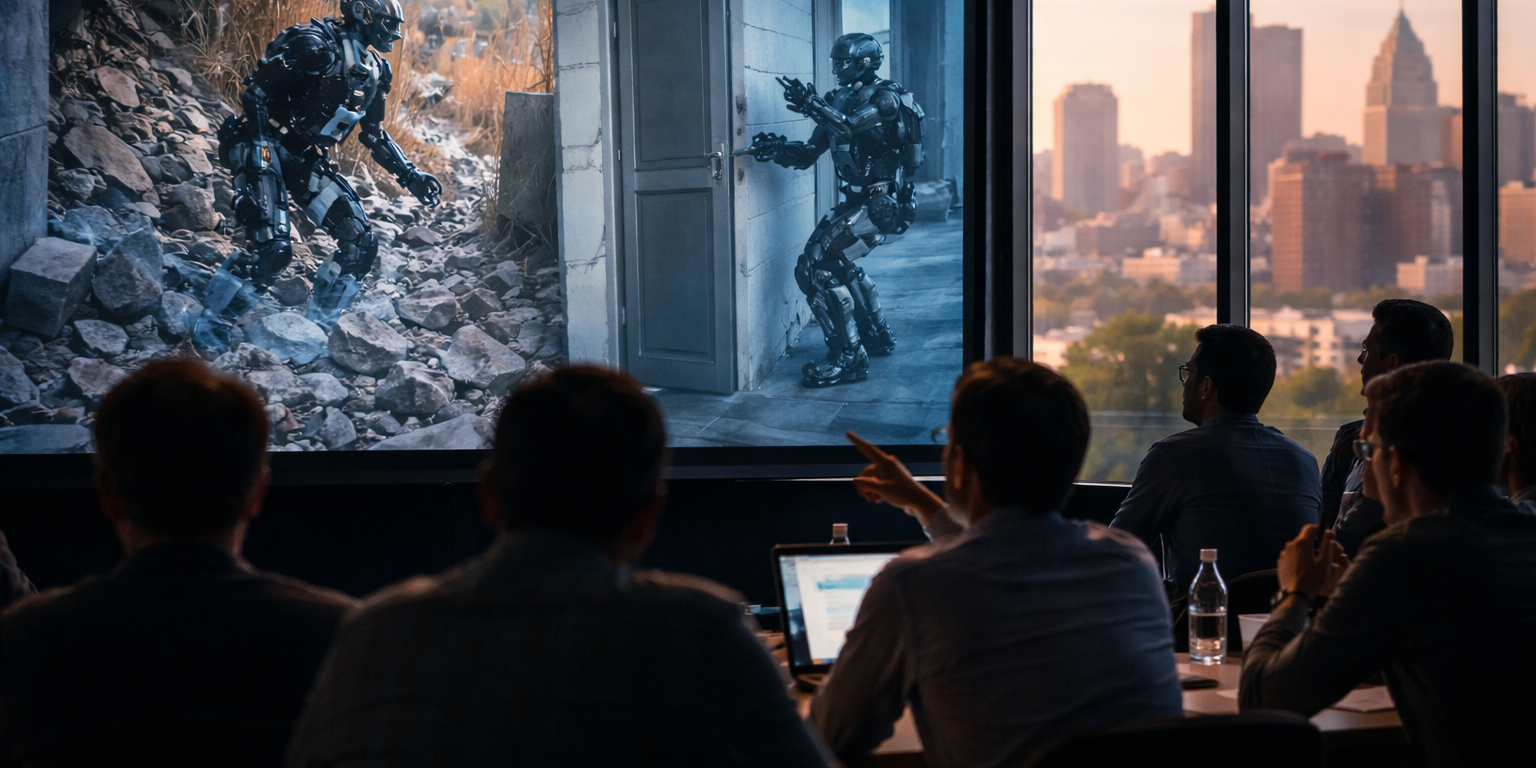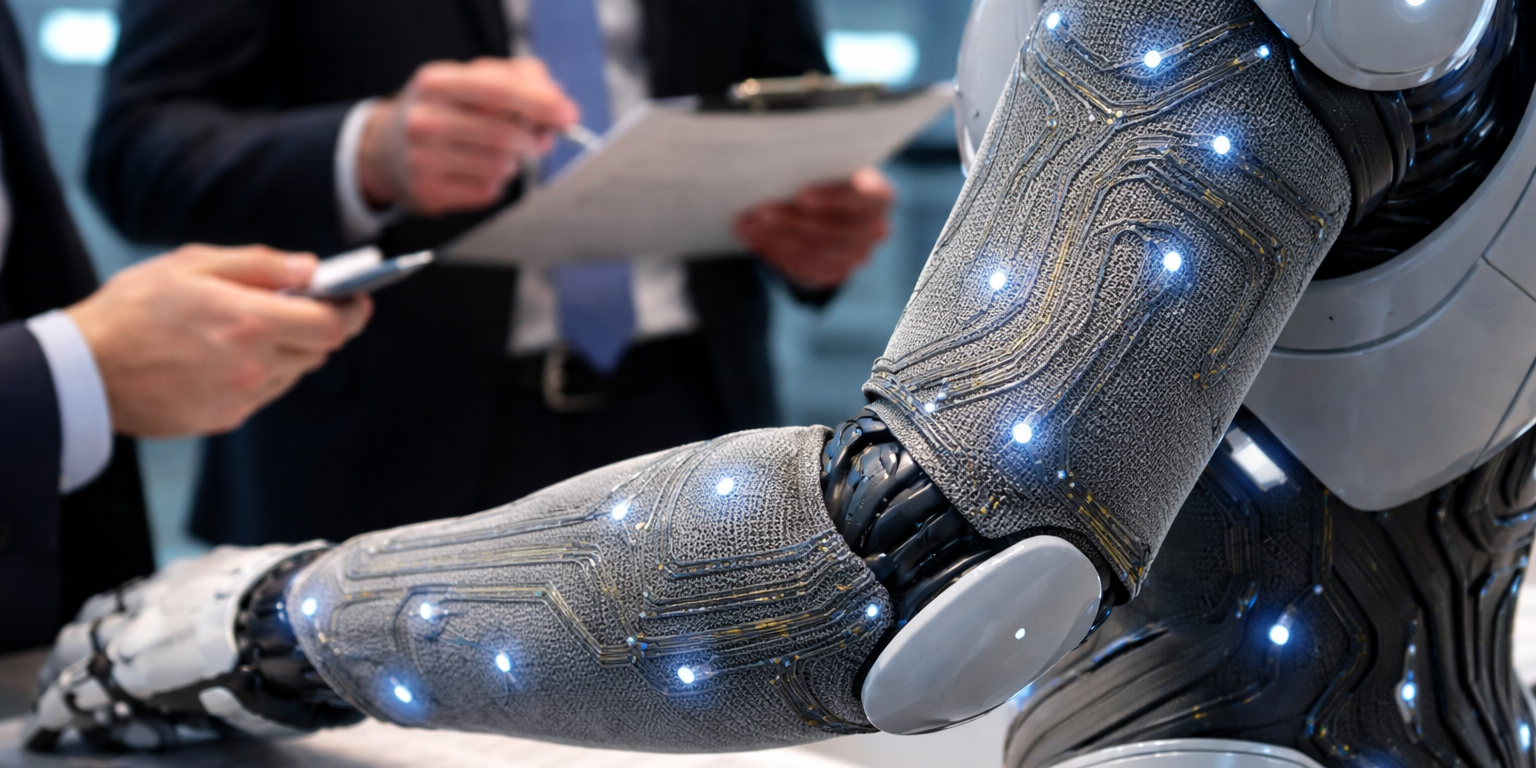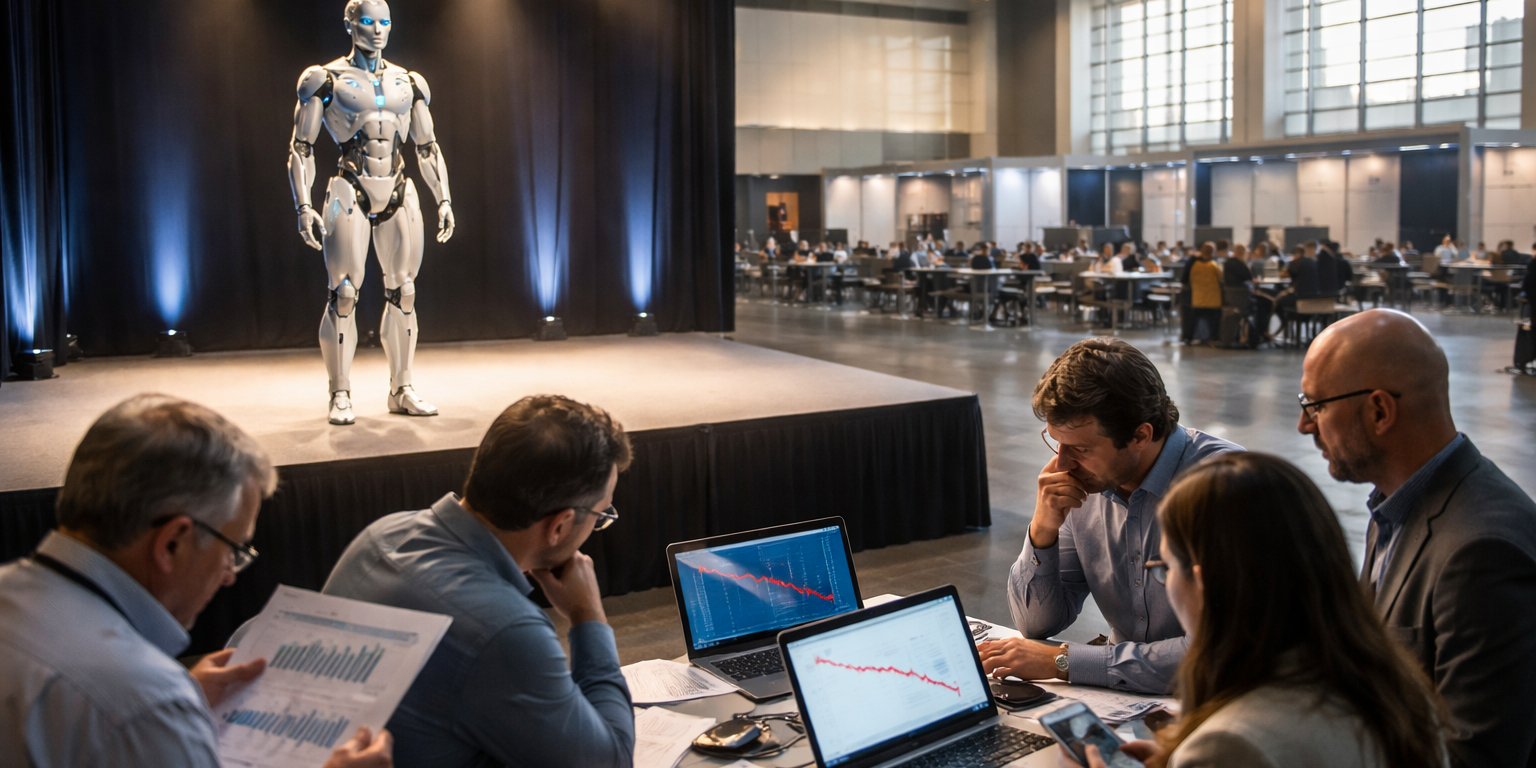
IEEE Spectrum's Video Friday series, a weekly video compilation read by robotics engineers and researchers worldwide, devoted its latest edition to a question that cuts to the heart of current humanoid development strategies. The publication's editorial team, while showcasing advanced humanoid demonstrations, openly questioned the commercial rationale for robots designed to exceed human physical capabilities rather than simply match them. The timing matters. Three significant robotics conferences scheduled for fall 2026—the Humanoids Summit in Seoul on September 22-23, IROS 2026 in Pittsburgh from September 27 through October 1, and CoRL 2026 in Austin November 9-12—will bring together companies currently spending hundreds of millions on humanoid platforms without clear revenue models. The skepticism from a publication as technically credentialed as IEEE Spectrum signals growing unease about whether the industry has articulated convincing use cases for the platforms now entering pilot deployments.
The question posed by Spectrum reflects tensions evident across the humanoid robotics sector throughout the first half of 2026. Companies including Figure AI, Apptronik, and Agility Robotics have raised substantial funding rounds on the premise that humanoid form factors offer advantages in environments designed for human workers. Yet most demonstrations to date show robots performing tasks well within human capability ranges—picking boxes, walking on flat surfaces, manipulating simple objects. Superhuman capabilities like lifting hundreds of pounds, operating continuously for days without rest, or processing visual information faster than human reaction times remain largely theoretical in commercial contexts. The commercial applications that do exist, primarily in warehouse logistics and manufacturing, require reliability and cost-effectiveness more than superhuman performance. Amazon's deployment of Agility's Digit robots in fulfillment centers, for instance, targets mundane repetitive tasks where consistency matters more than exceptional strength or speed. The mismatch between development priorities and deployment realities has created what several robotics investors privately describe as a credibility gap.
The industry calendar highlighted by IEEE Spectrum underscores how critical the next quarter will be for addressing these questions. The Humanoids Summit Seoul, scheduled for September 22-23, represents the first major international gathering focused exclusively on humanoid platforms since several companies announced plans to ship commercial units before year-end 2026. IROS 2026, running September 27 through October 1 in Pittsburgh, traditionally serves as a venue where academic research meets commercial reality, with companies presenting peer-reviewed work alongside product announcements. The Conference on Robot Learning (CoRL) in Austin, November 9-12, focuses specifically on machine learning approaches that could differentiate humanoid capabilities from human workers—the technological foundation for any genuinely superhuman applications. Attendance and presentation rosters at these events will indicate whether developers can articulate specific commercial scenarios that justify superhuman capabilities, or whether the industry will pivot toward more modest, achievable goals that emphasize human-equivalent performance at lower cost.
The commercial uncertainty extends beyond technical capabilities to fundamental business model questions. Robotics companies building humanoid platforms face development costs in the tens of millions annually, requiring either substantial venture backing or near-term revenue to sustain operations. Several investors who participated in 2024 and 2025 funding rounds have indicated privately that follow-on investments in 2027 will depend on evidence of commercial traction, not just technical milestones. The pressure to demonstrate viable applications has led some companies to emphasize capabilities that replicate rather than exceed human performance—a pragmatic shift that undermines earlier marketing positioning around transformative potential. Boston Dynamics, which spent years developing Atlas humanoid capabilities far beyond human ranges, pivoted to commercialize Spot quadrupeds and Stretch warehouse robots instead, suggesting even well-funded leaders see clearer paths to revenue in specialized form factors. The IEEE Spectrum questioning reflects awareness among technical observers that humanoid robotics may be solving for an idealized vision of general-purpose automation rather than addressing specific customer pain points with appropriate technology.
What to Watch: Monitor presentation topics and attendance figures at the Humanoids Summit Seoul September 22-23 and IROS Pittsburgh September 27-October 1 for signals about whether industry consensus is forming around specific commercial applications. Track quarterly deployment numbers from Agility Robotics, Figure AI, and Apptronik through the remainder of 2026 to see whether pilot programs convert to volume orders. Watch for any major robotics companies announcing pivots away from humanoid form factors toward specialized platforms, which would validate IEEE Spectrum's skepticism about commercial viability.