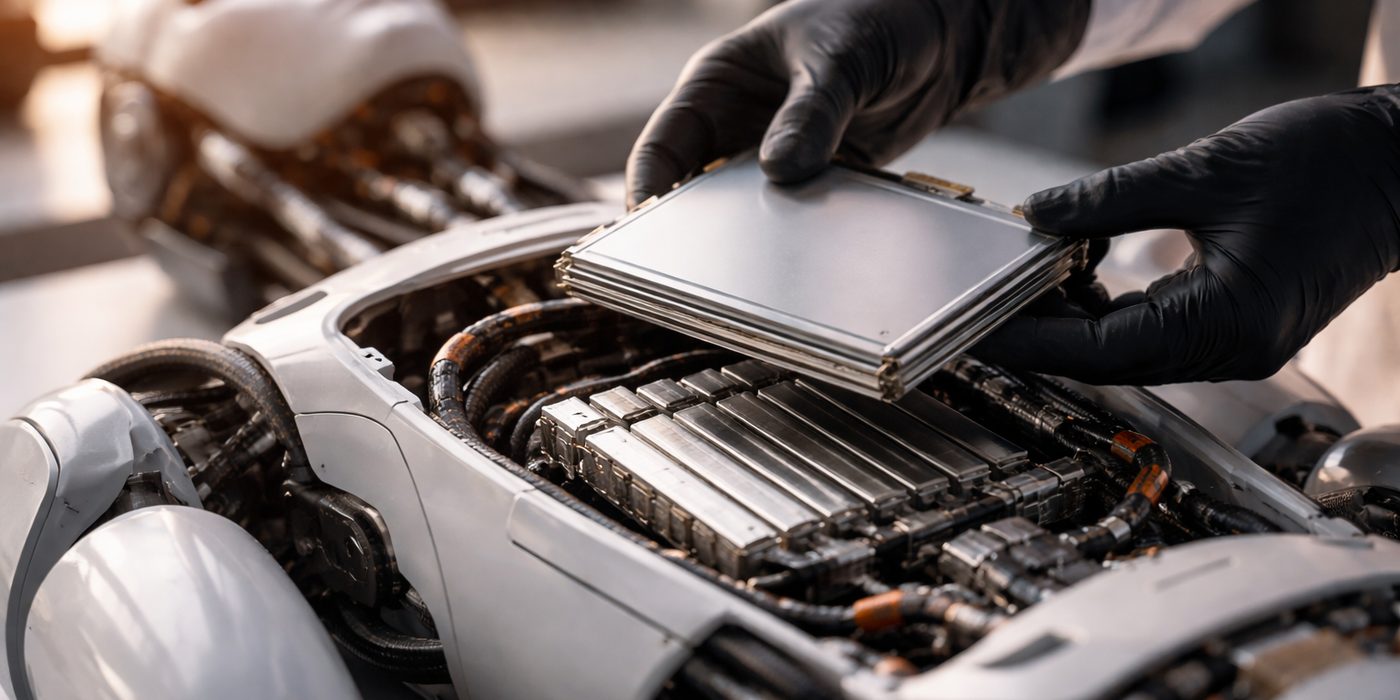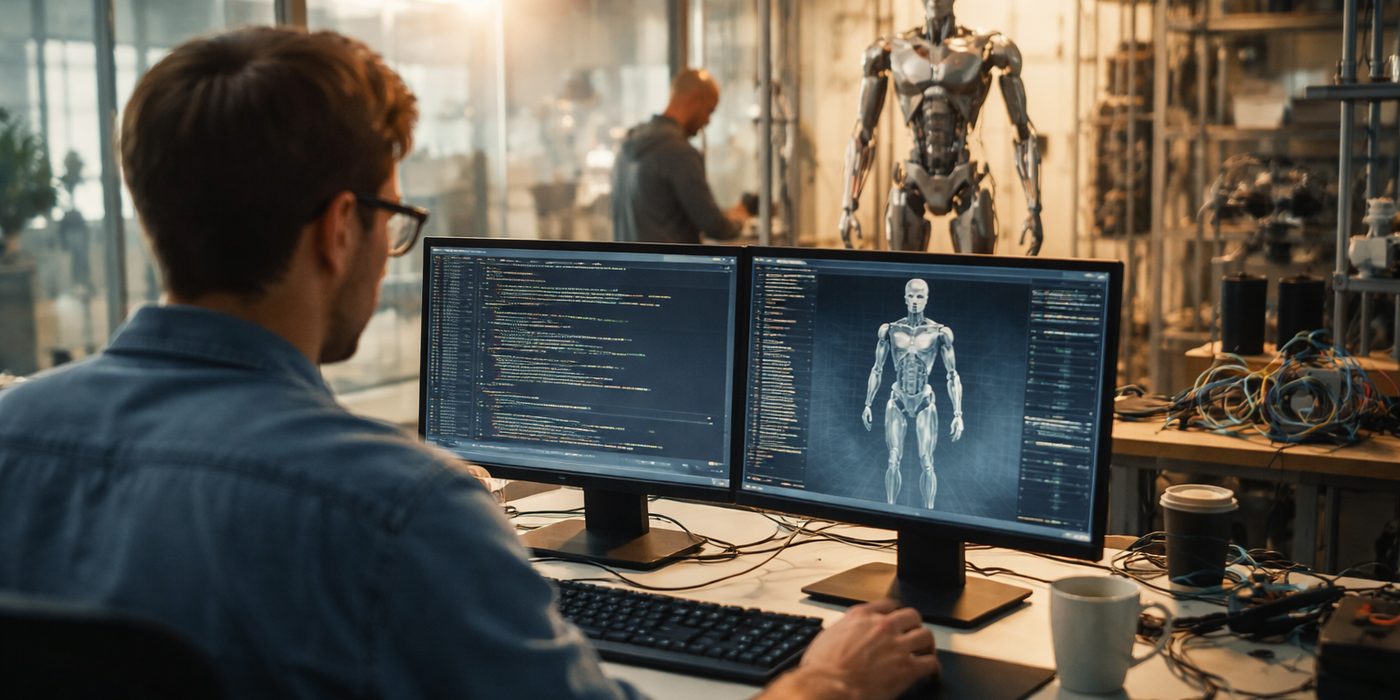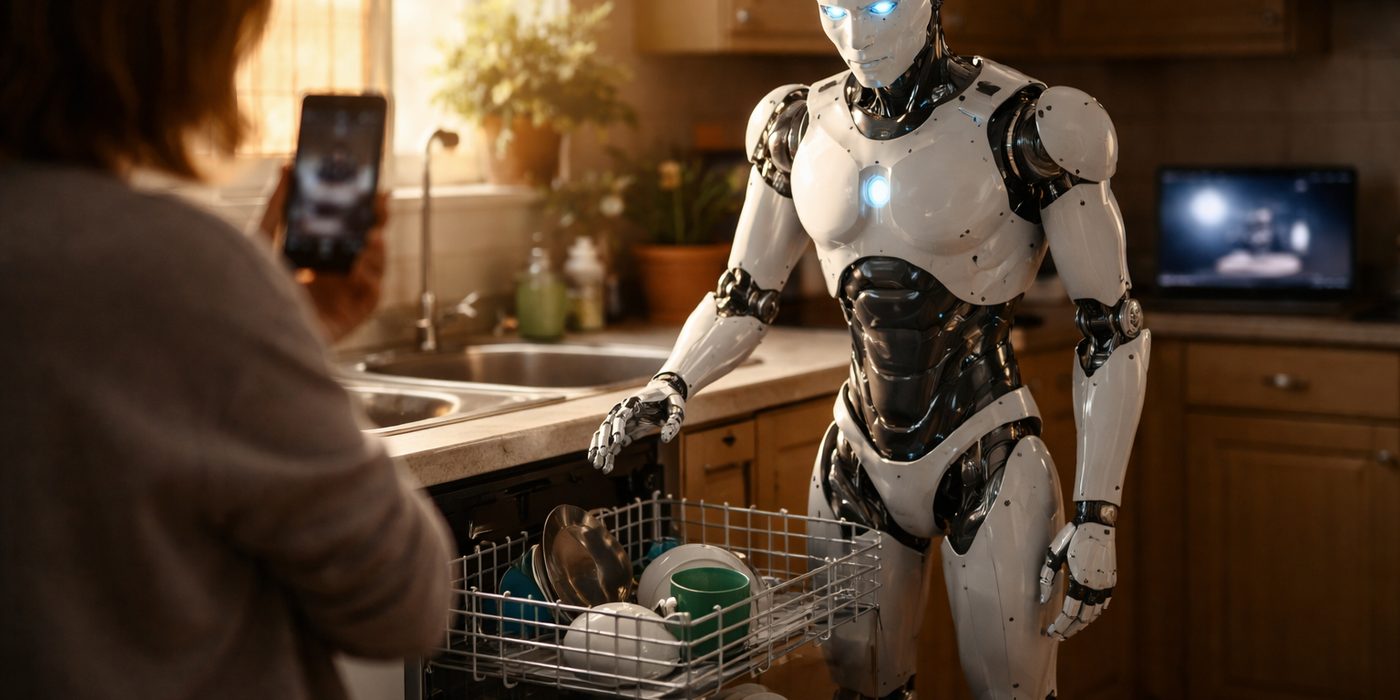
The most telling detail in the current humanoid home robot conversation is not a price tag or a payload spec. It is how little can be independently confirmed. A recent Digital Journal op-ed puts it in plain terms: there is everything to play for, but not yet much to play with, even as reliable information. The column's advice to readers is to be as skeptical as possible and trust nothing without proof. That is an opinion piece, not an investigation, and it names no single culprit. But its premise will be familiar to anyone who has tried to separate a polished launch video from a machine that can load a dishwasher unsupervised in an unfamiliar kitchen.
The skepticism has fresh material to work with. Consumer humanoids moved from concept to commercial offering faster than most of the industry expected. 1X Technologies opened pre-orders for its NEO home robot at $20,000, with a subscription alternative at $499 a month, and acknowledged that early units would rely on remote human operators to complete tasks the onboard autonomy could not yet handle. Figure AI has shown its Figure 03 platform folding laundry and clearing tables. Tesla continues to promise Optimus for household use on timelines that have slipped repeatedly. Each claim is plausible in isolation. Together, they form a market where announced capability and delivered capability are measured by different yardsticks, and rarely by a third party.
For engineers, the gap shows up in the details that never make the demo reel. Success rate per task, mean time between interventions, battery runtime under real household loads, and recovery behavior after a failed grasp are the numbers that determine whether a robot is a product or a prototype. Almost none of those figures are published in a standardized form. Teleoperation complicates the picture further. A robot that completes a chore with a remote pilot in the loop is demonstrating a labor arbitrage model and a data-collection strategy, which are legitimate, but it is not demonstrating general autonomy. Buyers deserve to know which one they are paying for, and so do the investors underwriting the valuations.
The verbosity the op-ed's title complains about is also a structural feature of the sector. Humanoid companies compete for talent, capital and consumer attention simultaneously, and all three audiences respond to narrative. Funding rounds in the category have reached into the hundreds of millions of dollars, and valuations have been set against projected volumes in the millions of units that no manufacturer has yet come close to shipping. Meanwhile, regulators and standards bodies are still working out how to certify a 60-kilogram bipedal machine to operate around children, pets and stairs. ISO 25785-1, the draft safety standard for dynamically stable industrial mobile robots, is the closest thing to a framework, and it was not written with living rooms in mind.
The practical consequence for the industry is a credibility tax. Every overstated demo makes the next legitimate milestone harder to believe, and the companies doing careful work, with published failure rates and transparent disclosure of human assistance, are forced to compete against those that are not. That dynamic favors whoever first establishes a trusted benchmark. Independent evaluation, whether from academic labs, insurers, retailers or consumer-testing organizations, would do more to clarify the market than another round of funding announcements. Until it exists, the op-ed's counsel holds: treat every capability claim as a hypothesis, and ask what evidence would convert it into a fact.
What to Watch Track 1X's first NEO customer deliveries and whether the company publishes data on how often remote operators intervene, since that ratio is the clearest available proxy for real autonomy. Watch for any movement on ISO 25785-1 and related household-robot safety work, which will shape insurance and liability terms before it shapes product design. Follow Figure AI and Tesla for dated, verifiable home-pilot milestones rather than conceptual footage, and note whether either allows third-party observers into an unscripted environment before the end of 2026. Finally, monitor whether any retailer or independent lab launches a standardized humanoid household-task benchmark, because the first credible one will quickly become the scoreboard investors use.