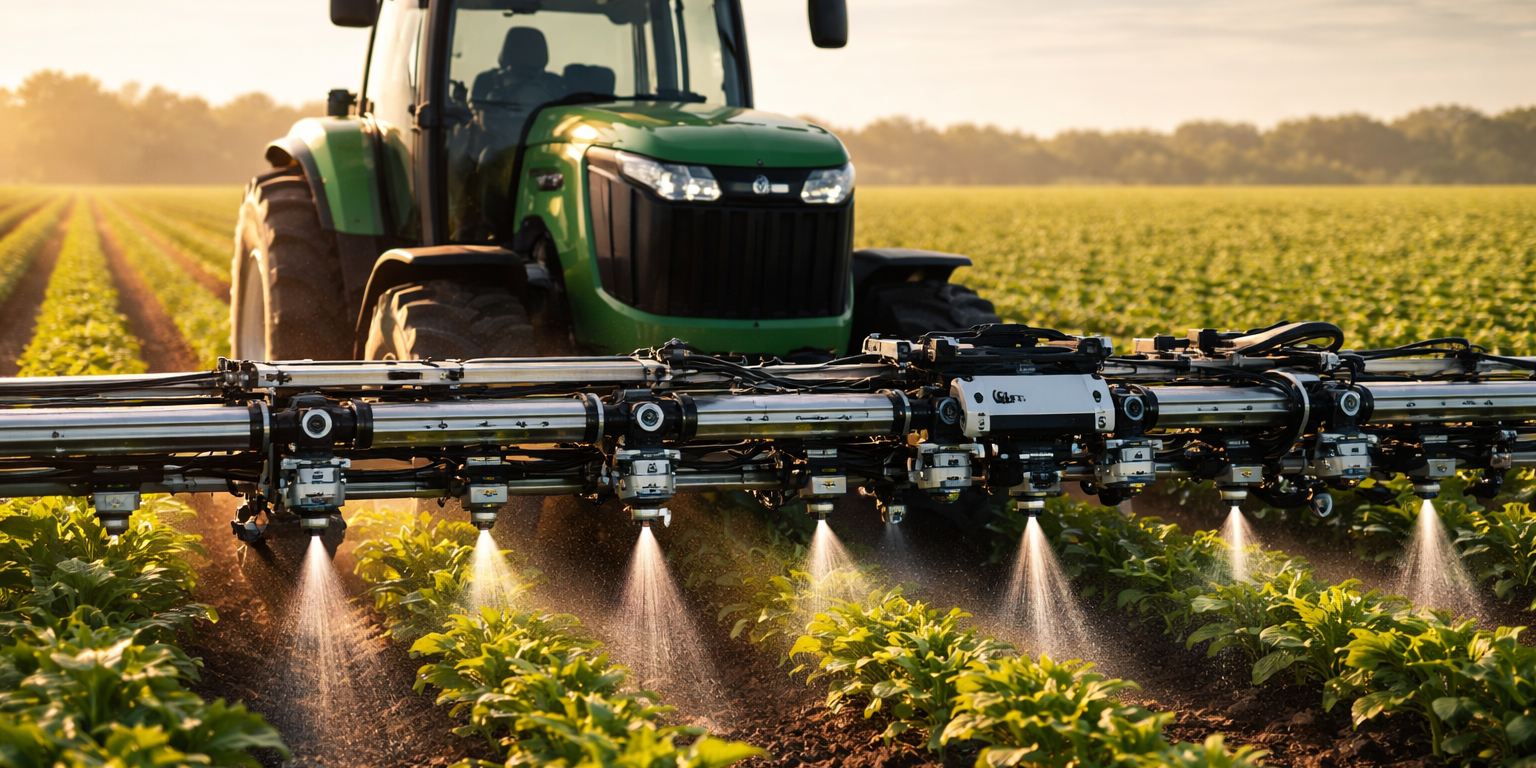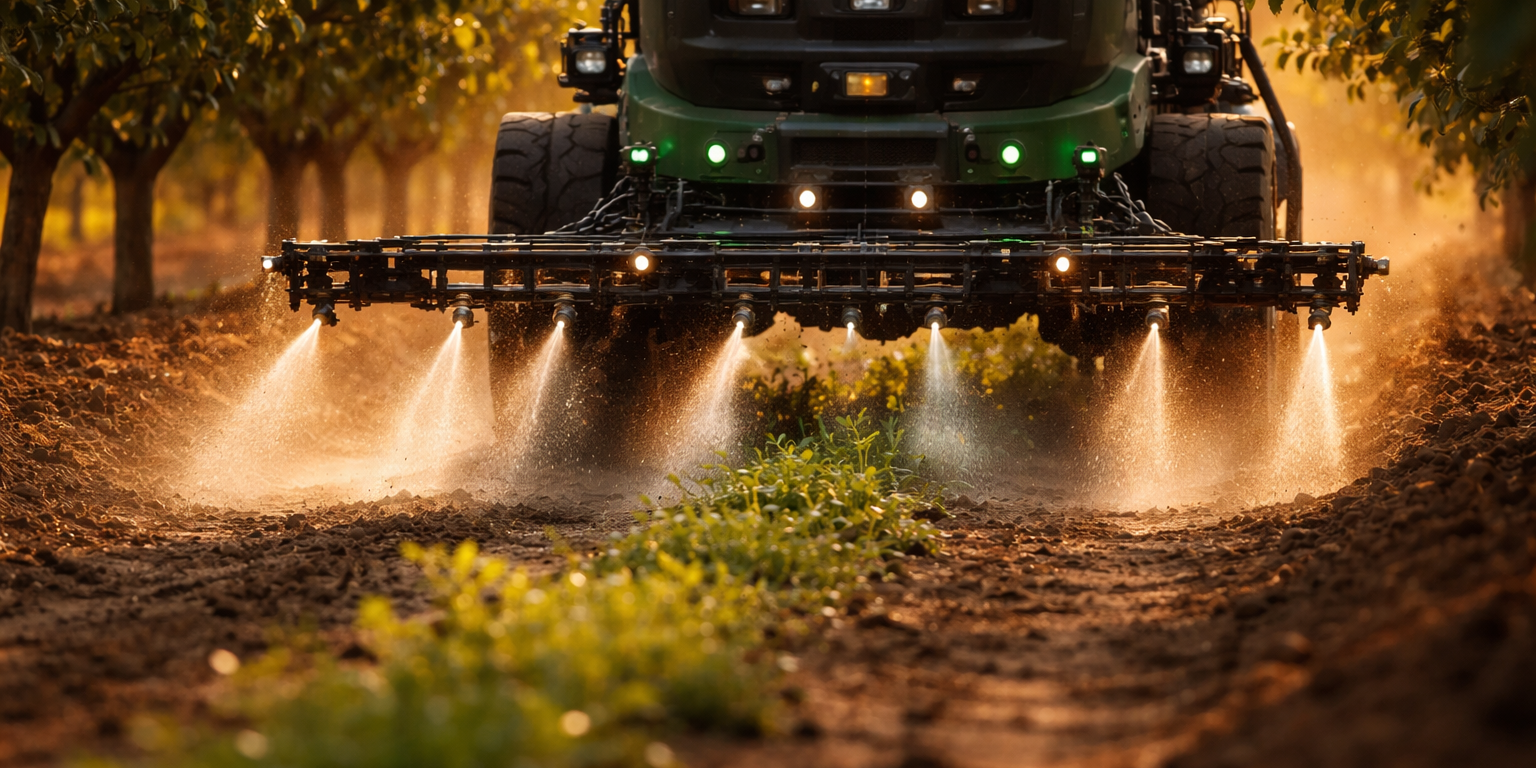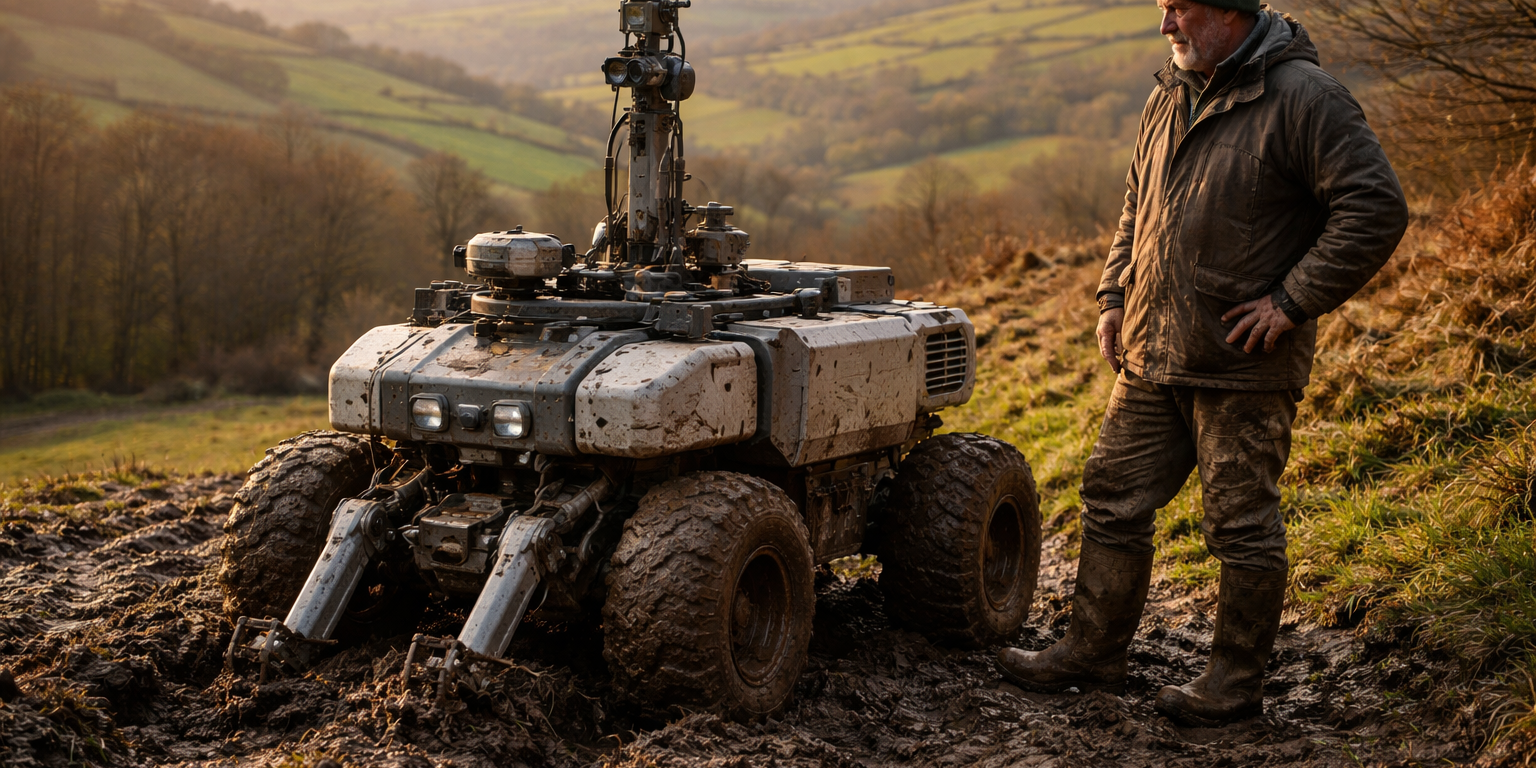
Forth UK, an industrial automation specialist with a decade of experience in harsh-environment robotics, has secured a technical partnership role in FARMAR—a collaborative initiative to translate the tacit knowledge of experienced farmers into operational rulesets for autonomous agricultural robots. The project involves institutions and companies across four continents, though Forth's role centers on sensor fusion architectures and the physical integration challenges of deploying mobile robots in muddy, uneven, and vegetation-dense environments. The partnership represents a departure from purely data-driven machine learning approaches that have dominated agricultural robotics development over the past five years. Instead, FARMAR is betting that explicitly encoding human expertise—when to irrigate based on soil feel, how to judge fruit ripeness by appearance and touch, where to prune based on plant structure—will produce more reliable and explainable robotic behavior than black-box neural networks trained on image datasets alone.
The Cumbria location puts Forth within 30 kilometers of some of the UK's most challenging upland farms, where steep slopes, variable microclimates, and mixed livestock-crop operations provide a demanding test bed. Forth has been developing ruggedized mobile platforms since 2016, initially for inspection tasks in offshore wind farms and later for construction site logistics. That hardware experience translates directly to agriculture, where robots must operate continuously in conditions that destroy consumer electronics within days. The FARMAR collaboration specifically tasks Forth with designing modular sensor packages that can be swapped between different robot chassis and crop applications. A single knowledge module about pest identification, for instance, might need to run on a lightweight vineyard robot, a heavy orchard platform, and a greenhouse rail system—each with different camera mounting points, power budgets, and data transmission constraints. Forth's engineering challenge is creating a standardized interface that allows knowledge modules developed by agronomists and farmers to deploy across this hardware diversity without custom integration work for each platform.
The knowledge capture process itself involves a hybrid approach. Agronomists are conducting structured interviews with farmers who have 30-plus years of hands-on experience, breaking down their decision-making into observable inputs and logical steps. Those interviews are then formalized into decision trees, probabilistic models, and constraint-based systems that a robot can execute. A second track uses wearable sensors and eye-tracking equipment to capture what experienced farmers actually look at and touch when making field decisions, often revealing unconscious expertise that farmers themselves cannot articulate in interviews. Forth's role includes instrumenting test farms with environmental sensors dense enough to correlate farmer decisions with quantified conditions—not just obvious metrics like soil moisture and air temperature, but subtler signals like leaf reflectance in specific wavelength bands or the acoustic signature of wind moving through a canopy at different growth stages. The goal is to give robots access to the same sensory information that human experts use, even when those experts cannot consciously explain what they are sensing.
This approach contrasts sharply with the prevailing trend in agricultural AI, where companies like John Deere and CNH Industrial have invested heavily in end-to-end deep learning systems that learn directly from millions of images and operational hours. Those systems excel at pattern recognition but struggle with rare events, novel situations, and providing explanations for their decisions—a significant liability when a robot makes a costly error like applying herbicide to the wrong plant species or harvesting unripe fruit. Knowledge-based systems, in principle, can explain every decision by pointing to the rule and sensor inputs that triggered it. That transparency matters for regulatory approval, farmer trust, and liability questions when robotic mistakes damage crops. The FARMAR project is essentially a wager that the robotics industry has over-indexed on data volume and can achieve better results by combining smaller datasets with explicit human knowledge. If successful, the model could extend beyond agriculture to other domains where experienced practitioners possess valuable tacit knowledge that is difficult to capture through observation alone—medical diagnosis, equipment maintenance, or skilled manufacturing.
What to Watch: Forth UK is scheduled to demonstrate its first integrated sensor package on a third-party robotic platform during the third quarter of 2026, likely at a European agricultural technology event. Monitor whether other FARMAR partners announce specific knowledge modules or datasets, which would indicate the project is moving from research into productization. The broader robotics industry will be watching for head-to-head performance comparisons between knowledge-based and purely learned systems on identical agricultural tasks—data that could shift development priorities across the sector. Any announcements of commercial licensing deals for FARMAR technology would signal that farmers and equipment manufacturers see practical value beyond the research phase.