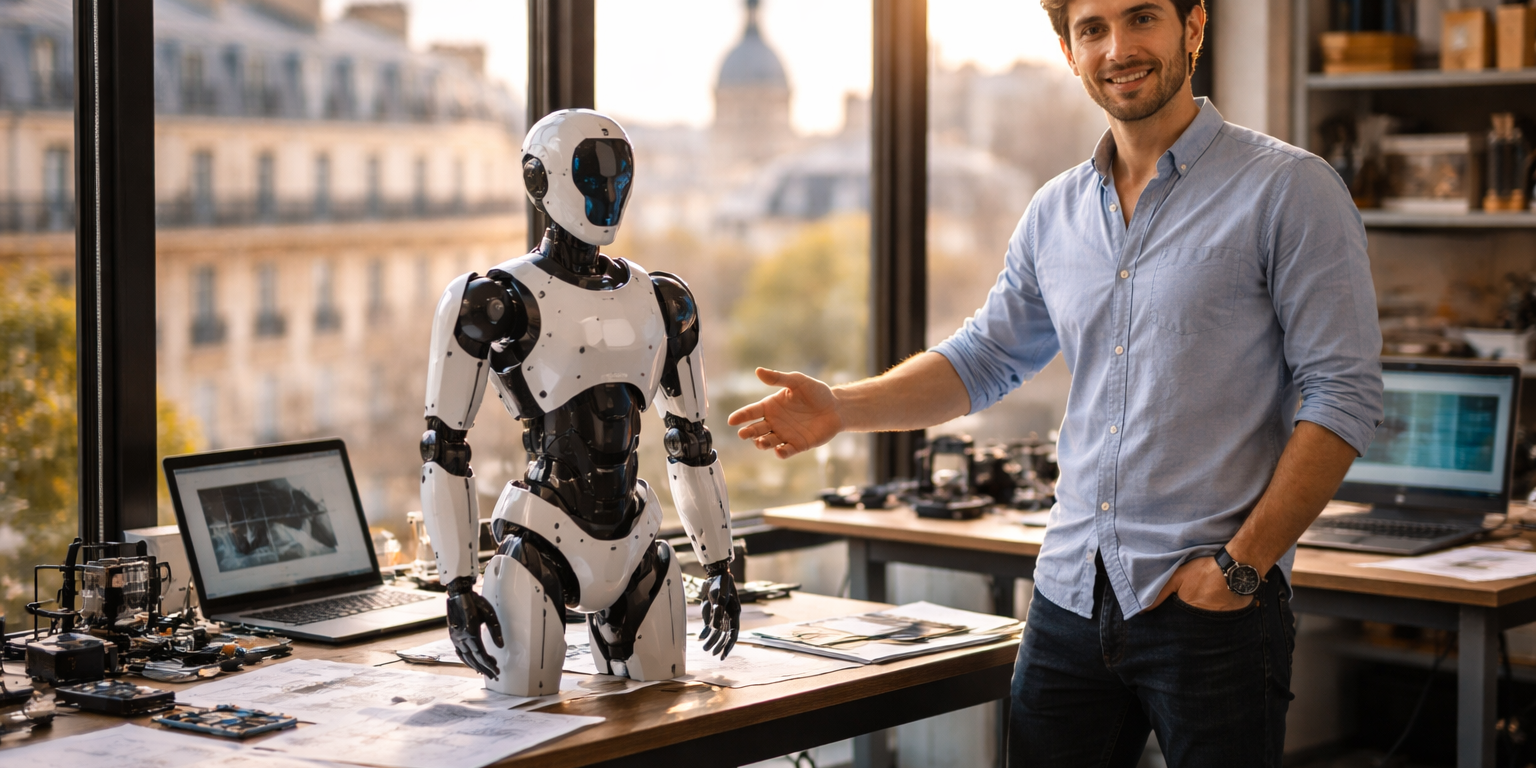
Rémi Cadène spent two years inside Tesla's Optimus program before deciding the future of humanoid robotics would be built in Paris, not Palo Alto. The scientist, who worked on perception and manipulation systems at Tesla, has now emerged as co-founder and CEO of UMA, a French startup developing a lightweight humanoid robot called Northstar. The company's unveiling marks the latest example of talent migration from established robotics programs into venture-backed startups, though UMA's European base distinguishes it from the cluster of humanoid ventures concentrated in California and Massachusetts.
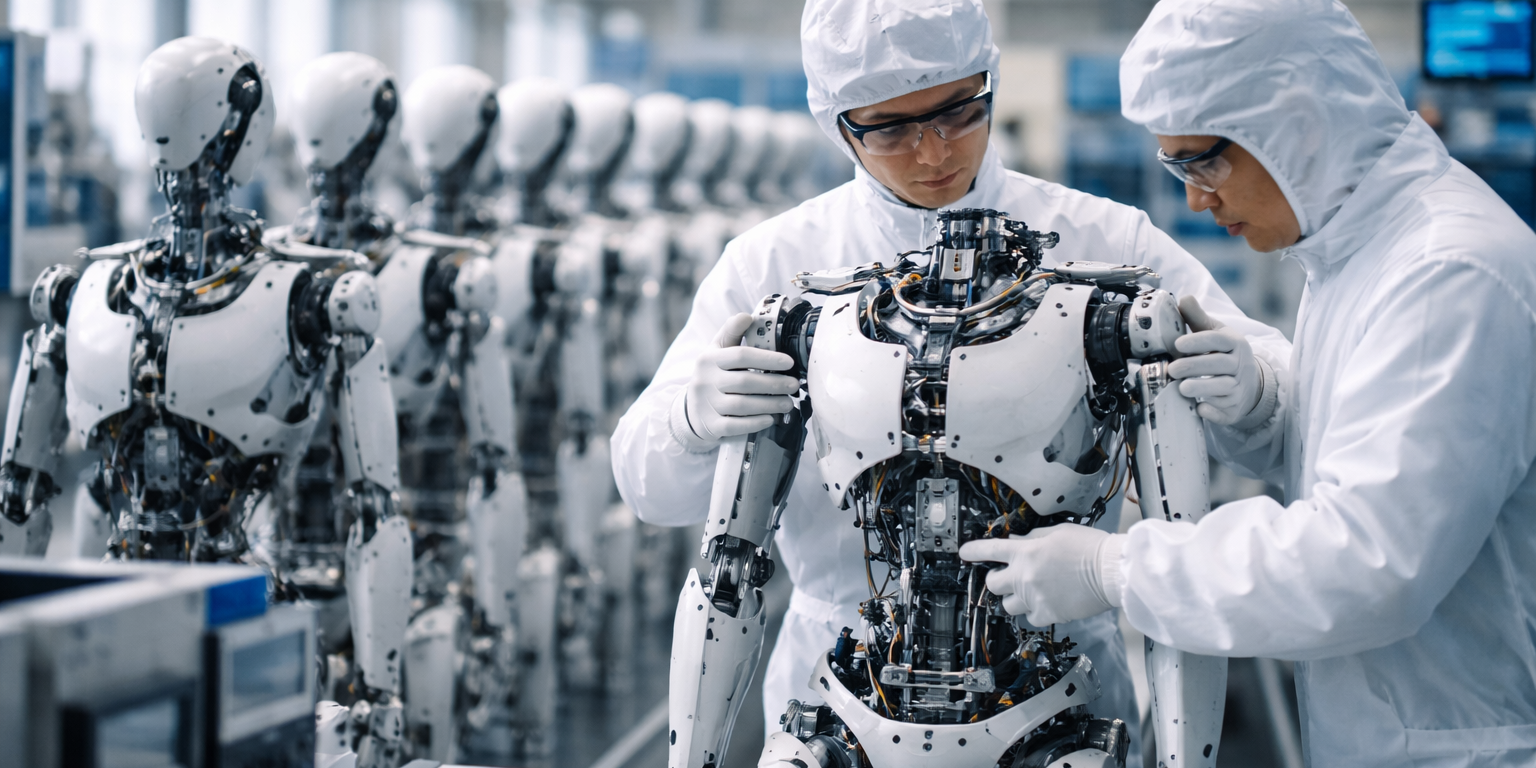
Cadène's background gives UMA immediate credibility in a crowded field. Tesla's Optimus program, while controversial in its timelines and claims, has attracted top-tier AI and robotics talent since its 2021 announcement. Engineers who have worked on the project bring experience in end-to-end humanoid development, from actuator design to neural network training for manipulation tasks. Cadène's departure follows a pattern seen across the robotics industry, where engineers incubated at well-funded corporate labs eventually spin out to pursue their own architectures and business models. Figure AI's Brett Adcock came from aviation. Apptronik's leadership emerged from NASA's Valkyrie program. Now UMA joins that lineage, betting that Europe can compete with American capital and talent concentration.
The Northstar platform reportedly emphasizes low weight, a design choice that reflects lessons learned from earlier humanoid projects. Weight has plagued commercial humanoid development for years. Boston Dynamics' Atlas weighs 196 pounds. Agility's Digit comes in around 140 pounds. Even Tesla's Optimus Gen 2, unveiled in late 2023, weighs 121 pounds. Each pound matters when calculating battery life, fall damage risk, and the actuator torque required for dynamic balance. UMA has not disclosed Northstar's exact specifications, but Cadène has indicated the robot will target applications where human-scale size is necessary but bulk is a liability. That likely points toward logistics, inspection, or light assembly rather than heavy manipulation or construction work.
Paris positions UMA within Europe's growing robotics corridor. The continent has historically lagged the U.S. and Asia in venture funding for robotics, but momentum has shifted since 2024. Germany's Neura Robotics raised €120 million in 2025 for its cognitive humanoid platform. Norway's 1X secured backing from OpenAI's venture fund. The United Kingdom's Engineered Arts, while focused on social robotics, has pioneered expressive humanoid mechatronics for over a decade. France itself has deep technical roots, from SoftBank Robotics' Pepper development in Paris to the country's academic strength in computer vision and control theory at institutions like INRIA and ENS. UMA enters an ecosystem with talent and infrastructure, though still seeking the density of capital that defines Silicon Valley's robotics scene. European investors have traditionally favored industrial automation over humanoid platforms, viewing the latter as speculative and capital-intensive. UMA's challenge will be demonstrating a viable path to revenue before venture patience runs out.
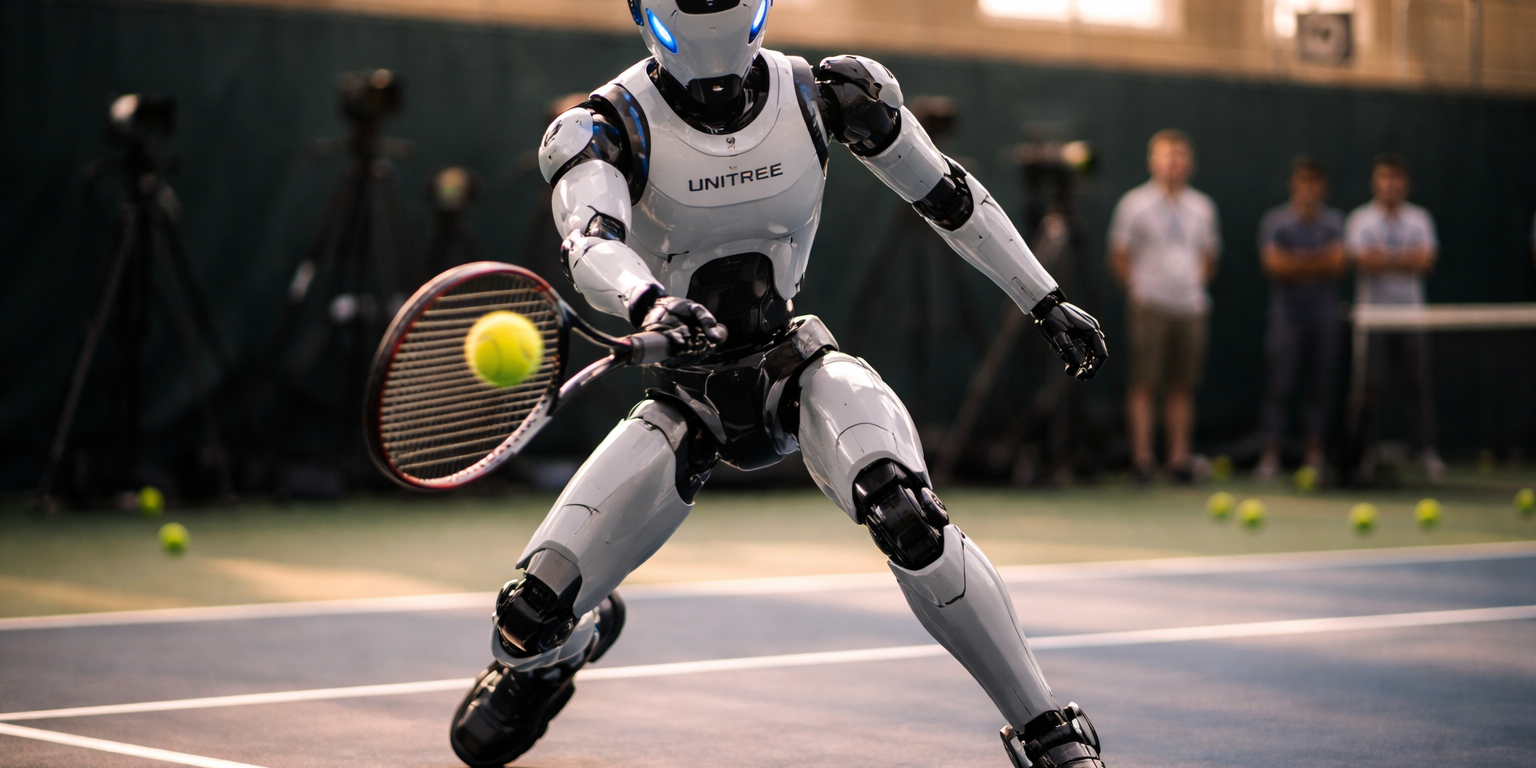
The broader humanoid sector has reached an inflection point that makes timing critical for new entrants. Foundation models for robotics manipulation, pioneered by labs at Stanford, Berkeley, and DeepMind, are rapidly improving sample efficiency. That means humanoid platforms can now learn tasks from demonstration rather than requiring hand-coded motion primitives for every action. Actuator technology has also advanced, with quasi-direct drive systems offering better torque density and backdrivability than the gear-heavy designs of prior generations. Manufacturing costs remain high, but Chinese robotics firms like Unitree have demonstrated that humanoid hardware can be produced at under $20,000 per unit at scale. UMA will need to prove it can match or beat those economics while differentiating on software and application focus. Cadène has not disclosed UMA's funding, team size, or timeline for prototype deployment, but the company's emergence signals confidence that the technical and market conditions now support European humanoid development.
What to Watch: UMA is expected to demonstrate Northstar hardware publicly within the next six months. Watch for partnerships with European logistics operators or automotive manufacturers, which could provide both capital and deployment environments. Monitor whether Cadène can attract additional Tesla or Boston Dynamics alumni to the Paris team, a signal of technical credibility. Finally, track venture funding announcements from European deep-tech funds like Lakestar, Atomico, or Balderton, whose involvement would indicate institutional confidence in the company's trajectory.