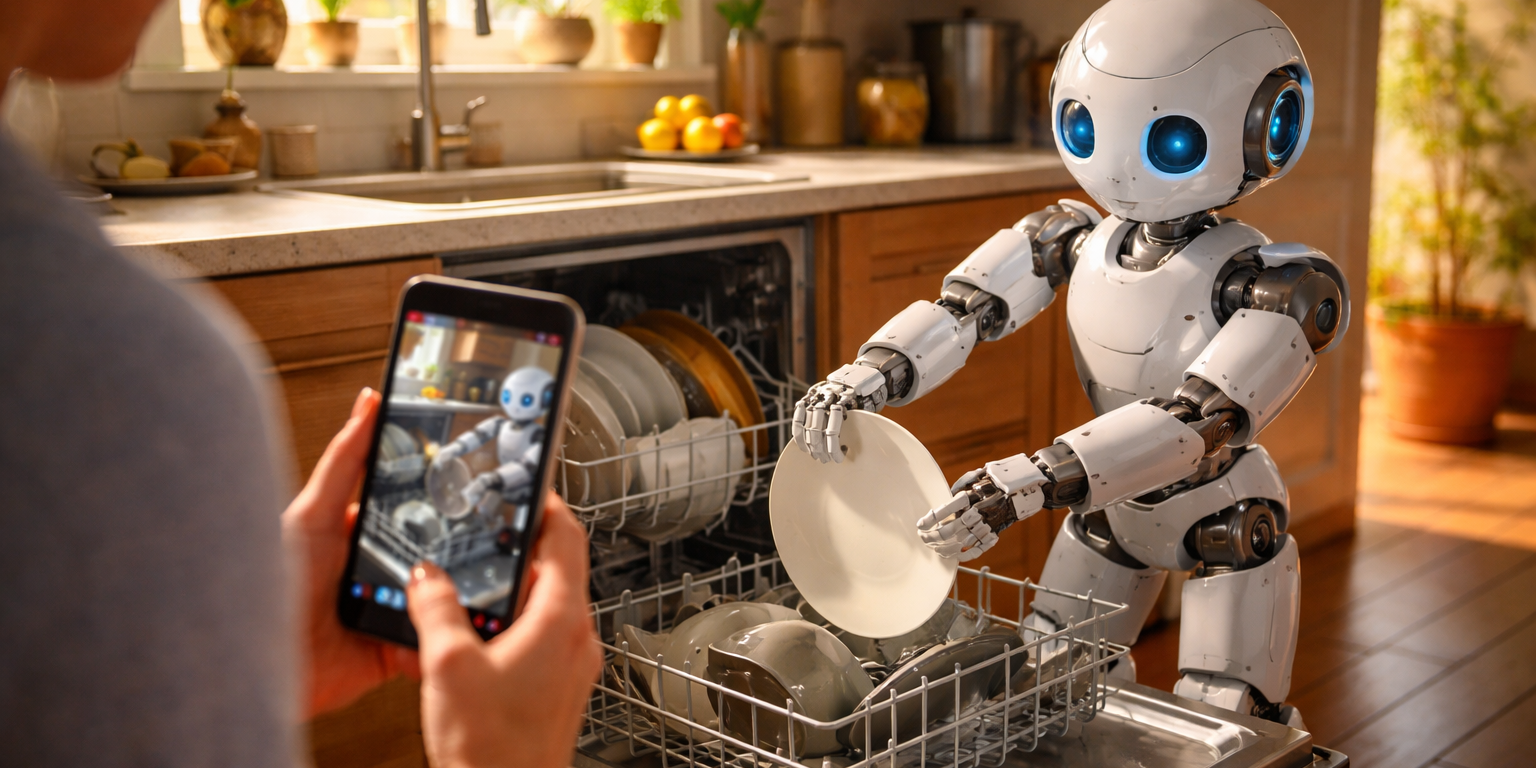
A Bay Area startup is shipping a humanoid robot for less than the cost of a used Honda Civic, and it learns new chores by watching you hold up your phone. Flourish, a three-year-old company led by former Boston Dynamics engineers, began taking orders this week for Flourish One, a 4.2-foot-tall domestic robot priced at $3,555. The company claims any adult can train the robot to fold laundry, load a dishwasher, or sort toys in under five minutes using only a smartphone app. No programming required. No complex interfaces. Just point the phone camera at yourself doing the task, and the robot's cloud-based model adapts. First deliveries are scheduled for December 2026, targeting what CEO Adriana Hertz calls "the time-starved middle class" dual-income households where both parents work more than 40 hours per week. Flourish has pre-sold 1,200 units since opening reservations in August, according to filings with the Securities and Exchange Commission.
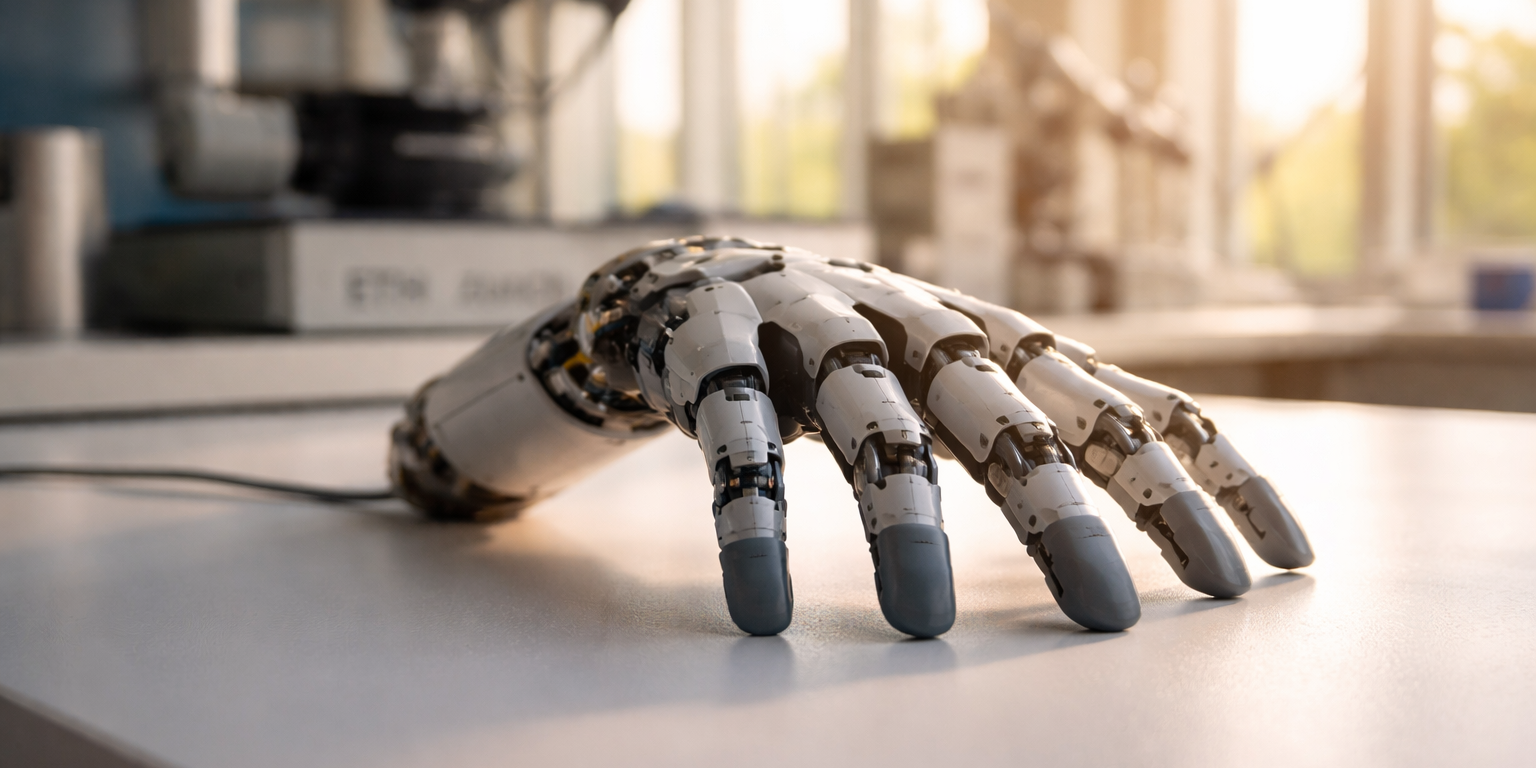
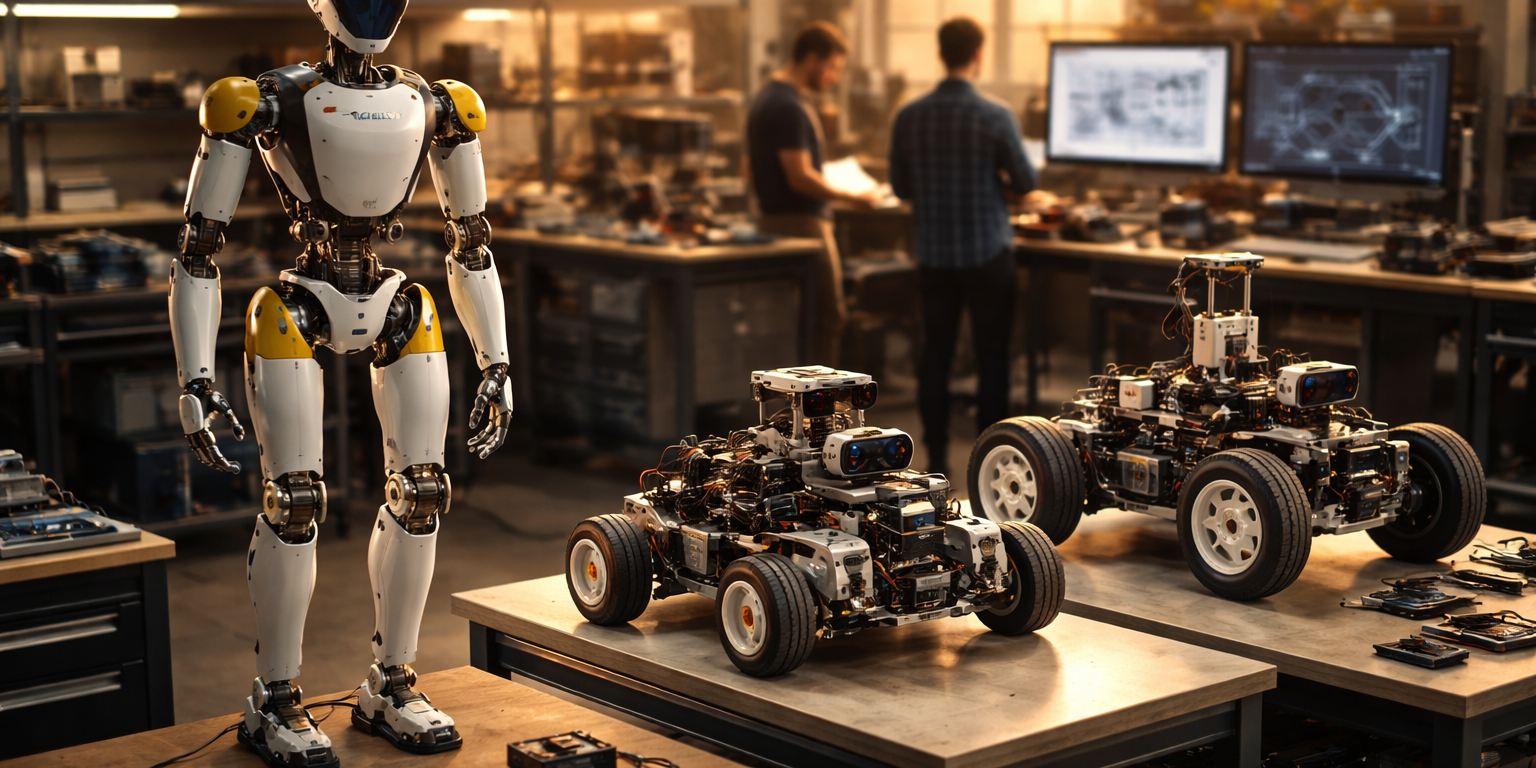
The hardware is deliberately modest. Flourish One runs on a Raspberry Pi 5 paired with a custom motor controller board and eight joint actuators built by Nabtesco, the Japanese supplier that also makes servos for industrial cobots. The robot has two five-fingered hands with basic grasp-and-release functionality, stereo cameras mounted in the head, and roughly 18 degrees of freedom total. Walking is limited to flat indoor surfaces at speeds under one mile per hour. Maximum payload is 11 pounds per hand. Hertz acknowledges these specs put Flourish One well behind Tesla's Optimus prototypes or Figure AI's Figure 02 in raw capability. But she argues capability is not the bottleneck. "Every humanoid demo I've seen in the last two years shows a robot doing something impressive once," Hertz said in an interview. "We built a robot that does boring things reliably, because boring is what parents actually need." The company has tested 47 Flourish One units in 22 California households since March 2026, logging more than 8,000 hours of runtime. Hertz says the robot completes its assigned task without intervention 74 percent of the time, a figure that rises to 89 percent after three weeks of household-specific training.
The phone-based training system relies on a vision model Flourish calls TaskMimic, which runs on Google Cloud and translates recorded human demonstrations into motion plans the robot can execute. Users open the Flourish app, select "Teach New Task," and record themselves performing an action from multiple angles. The app uploads the video to Flourish's servers, where TaskMimic generates a sequence of waypoints, grip positions, and force parameters. The model then pushes that task profile back to the robot, which attempts the task and uploads success-or-failure data after each attempt. Over time, the system refines its understanding of household-specific variables like the exact dimensions of a user's laundry basket or the resistance of their dishwasher door. Flourish says the median task takes four demonstrations to reach 70 percent reliability. The company charges $29 per month for cloud processing and task storage, bringing the all-in first-year cost to $3,903. TaskMimic is built on a modified version of Google's RT-2 architecture, which Flourish licensed in early 2024. The startup has since added proprietary modules for grasp planning and object tracking in cluttered environments, areas where foundation models still struggle.
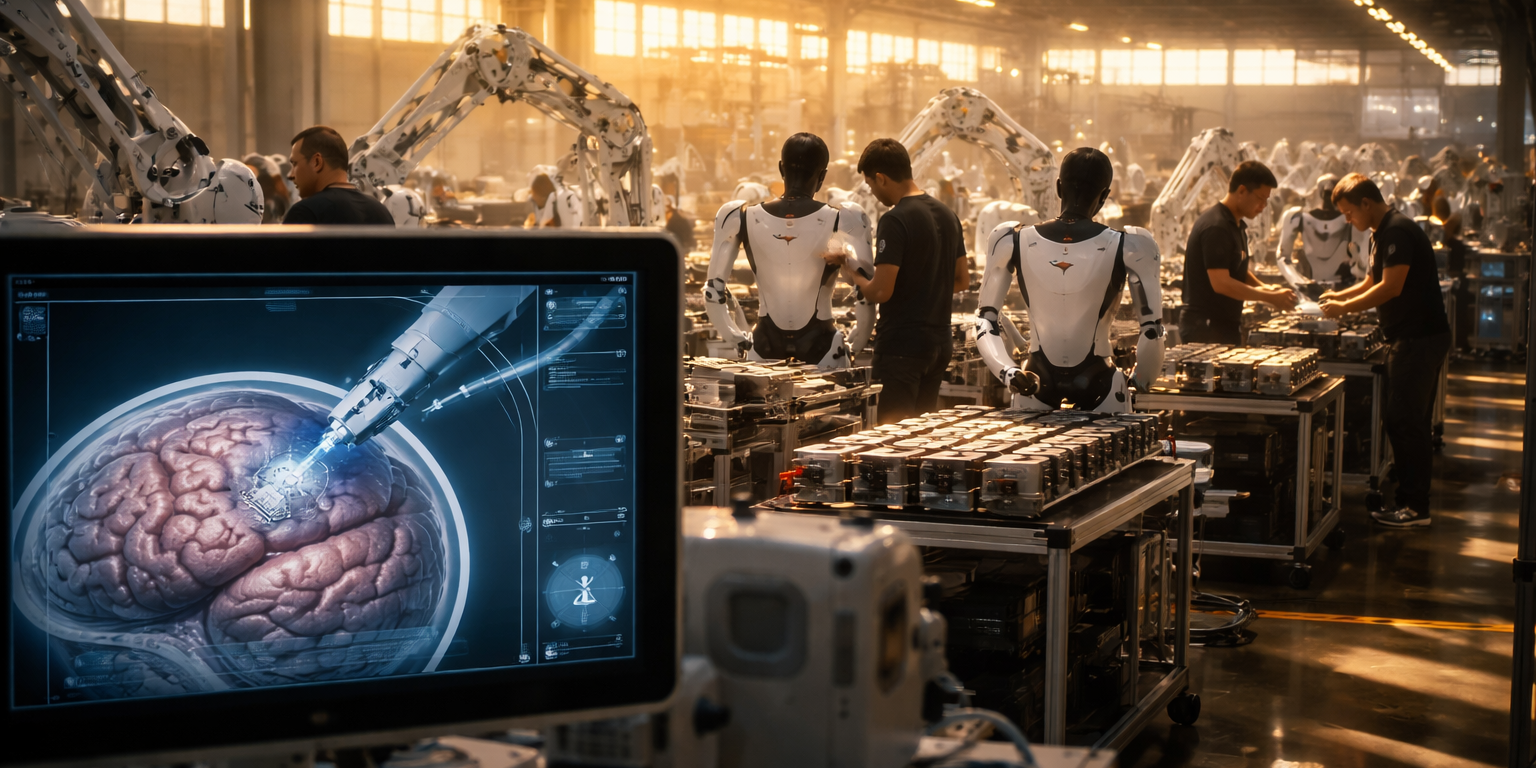
Flourish is betting on volume over margin in a market where most humanoid makers are chasing enterprise customers or waiting for hardware costs to drop. The company raised $47 million in Series B funding in June 2026 from Khosla Ventures and Lux Capital, with participation from several family offices connected to the consumer goods industry. Hertz says Flourish is building robots at a per-unit loss today but expects to break even on hardware by mid-2027 as production scales and component costs decline. The company has a manufacturing partnership with Flex Ltd., which assembles Flourish One units at a facility in Guadalajara, Mexico. Initial capacity is 500 units per month, with plans to ramp to 2,000 per month by March 2027. Competitors like 1X Technologies and Apptronik have also announced plans to target home users, but with price points above $10,000 and ship dates in 2028 or beyond. Sanctuary AI's Phoenix robot, priced around $50,000, remains focused on commercial applications. Flourish's pricing puts it closer to high-end appliances than industrial gear, a positioning that could matter if consumer interest materializes. The company is also exploring retail partnerships with Best Buy and direct sales at Tesla showrooms, though neither deal is finalized.
What to Watch: Flourish plans to demonstrate Flourish One at CES 2027 in Las Vegas in January, where the company will show live task training with attendees. Also watch for initial customer reviews and failure-rate data in late Q1 2027 as the first 1,200 units complete 90 days of deployment. Competitors including 1X Technologies and Agility Robotics are expected to announce consumer-focused humanoid products before mid-2027, which will test whether Flourish's price and training approach hold up against better-funded rivals.