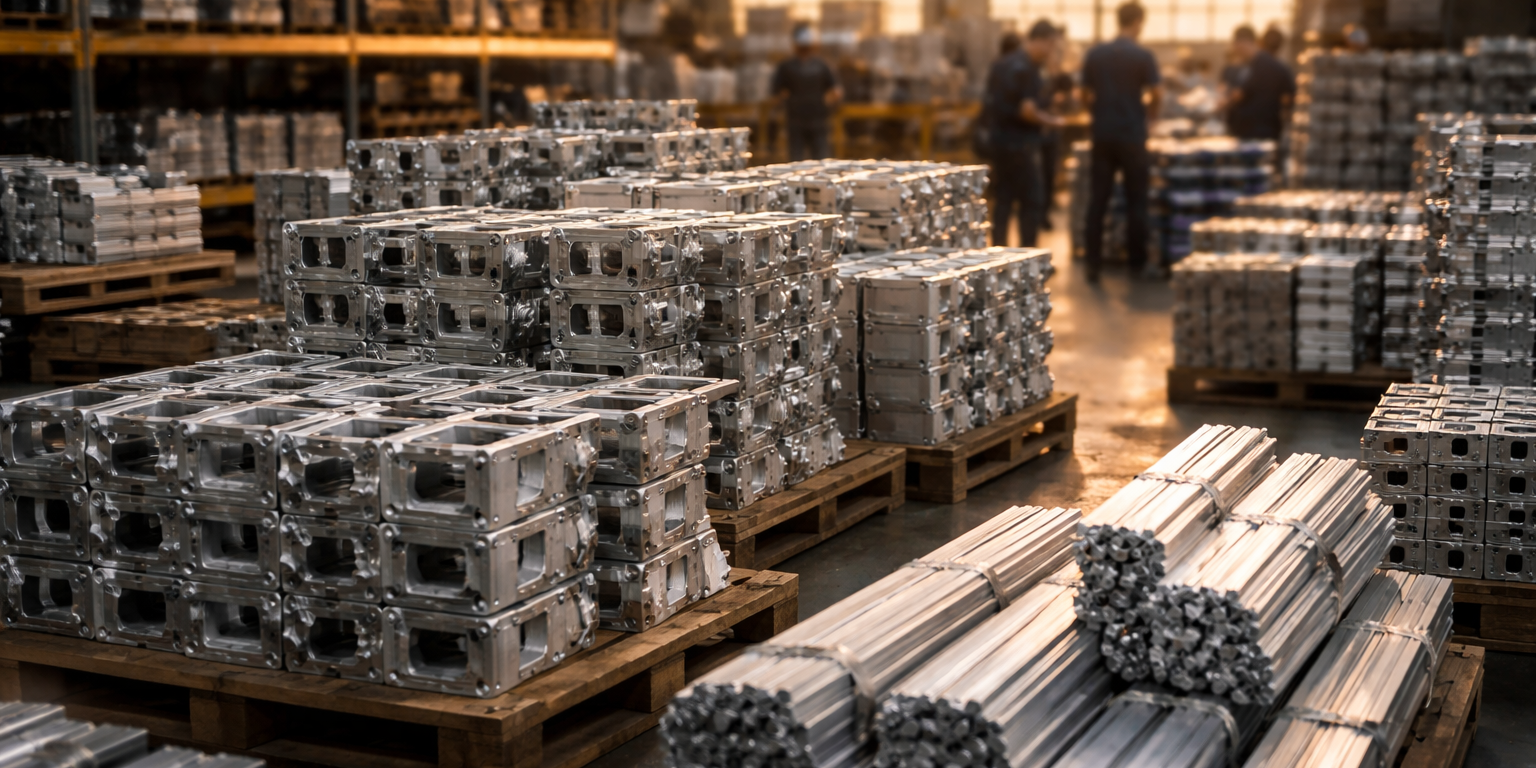
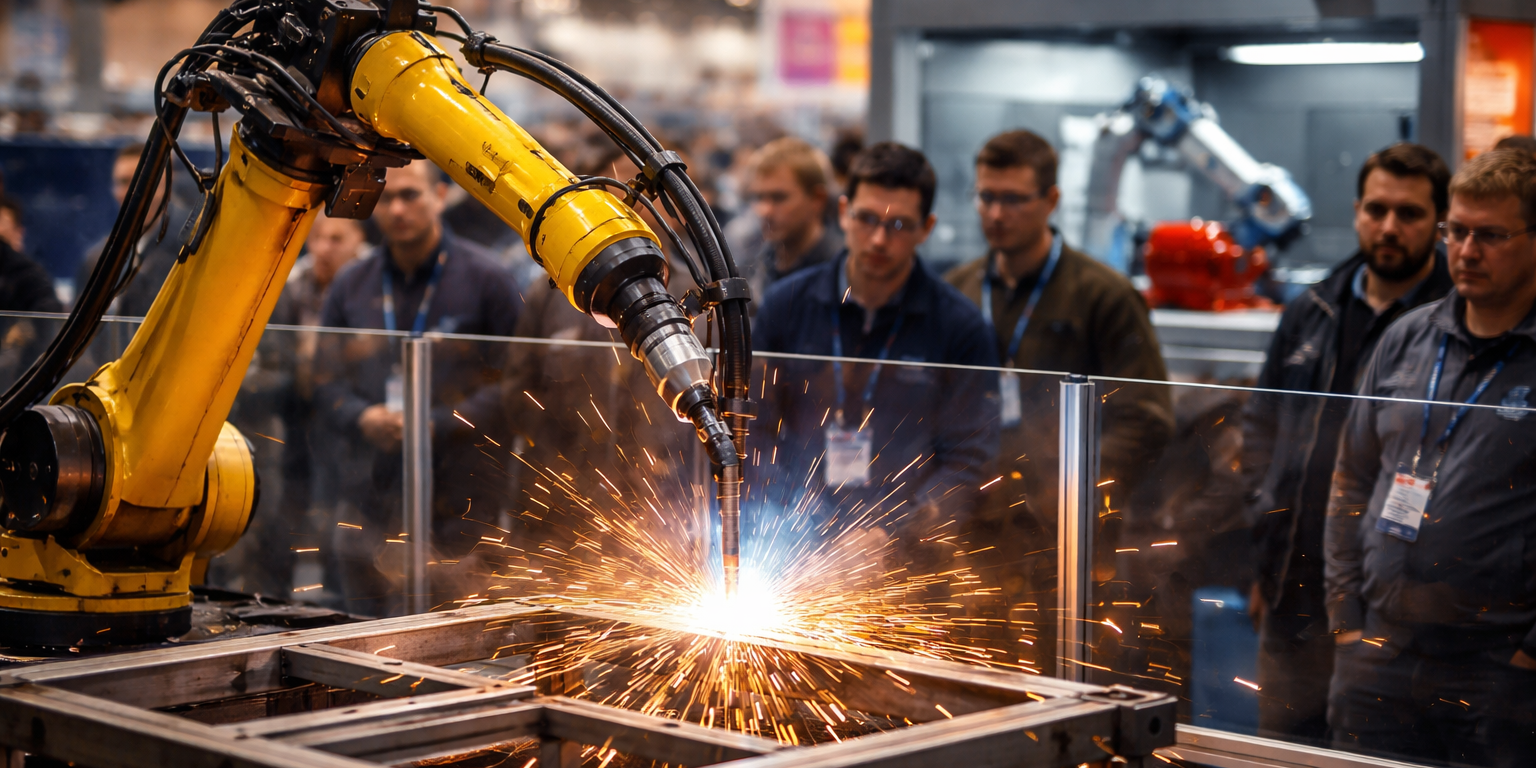
The metal fabrication shop floor has a labor problem that no amount of recruiting has solved, and FANUC America is betting that a broader automation portfolio is the answer. The Rochester Hills, Michigan-based subsidiary of Japan's FANUC Corporation announced on October 5 that it will use FABTECH 2026 to demonstrate welding automation, collaborative robots, and painting systems aimed squarely at fabricators. The pitch is less about any single machine than about coverage. A shop that can automate its welding, material handling, and finishing with hardware from one vendor, running on one control architecture, faces a very different integration burden than one stitching together five suppliers.
That integration burden is the real story behind the booth. Fabrication is a fragmented industry built on high-mix, low-volume work, the exact profile that has historically resisted robotic cells. Programming a robot to weld one part ten thousand times is a solved problem. Programming it to weld forty different parts in a week, with fixtures that change daily, is not. The American Welding Society has for years projected a shortfall of several hundred thousand welding professionals in the United States, and shop owners describe the gap not as an abstract statistic but as jobs they decline to bid on. Automation vendors have heard that complaint for a decade. What has changed is the tooling around the robot.
FANUC's collaborative lineup is central to that shift. Its CRX series, the company's cobot family, was designed to let a welder or machinist with no programming background teach a path by hand-guiding the arm and tablet-based setup, rather than writing code or hiring an integrator. For welding, that matters more than payload or reach. Cobot welding cells can be wheeled to a workpiece, programmed in an afternoon, and redeployed the next day, which fits the economics of a ten-person shop far better than a caged six-axis cell with a six-month lead time. Pair that with the company's traditional arc welding robots and dedicated power-source integration, and FANUC can address both ends of the spectrum, from the job shop to the high-volume structural fabricator.
Painting is the quieter half of the announcement, and arguably the more interesting one for investors. Paint and coating automation is a mature, specialized niche in automotive, but fabricators of heavy equipment, enclosures, and structural components have largely applied finishes by hand, exposing workers to solvents and producing inconsistent film thickness. FANUC has long sold explosion-proof painting robots into automotive plants, and demonstrating that heritage to a general fabrication audience suggests the company sees finishing as an underserved adjacent market. Coating consistency translates directly into reduced material waste, which at current paint and powder prices is a line item CFOs can quantify. A robot that cuts overspray by even a modest margin pays back in a way that labor substitution alone sometimes does not.
The competitive context sharpens the stakes. FANUC is not alone on the FABTECH floor with a welding story. Yaskawa Motoman, ABB, KUKA, and Universal Robots, along with a growing field of cobot welding specialists like Path Robotics and Hirebotics, are all chasing the same shops with different philosophies. Path Robotics leans on AI-driven vision to eliminate programming altogether, while Hirebotics rents cobot welders as a service. FANUC's counterargument is installed base and ecosystem: a vast fleet of deployed controllers, a nationwide network of certified integrators, and parts and service infrastructure that a startup cannot replicate. For a fabricator weighing a six-figure capital purchase, support depth often outweighs a feature list. The open question is whether incumbents can match the programming simplicity that newer entrants have made their selling point.
For engineers evaluating what they see in the booth, the more revealing questions will be about everything that happens before and after the arc strikes. Seam tracking, touch sensing, and adaptive fill matter because real-world parts do not match their CAD models, and a welding robot that cannot compensate for fit-up variation will produce scrap at scale. Likewise, offline programming and simulation tools determine whether a high-mix shop can prepare jobs without idling the cell. Vendors tend to demo the happy path at trade shows, with clean parts in perfect fixtures. The useful scrutiny is on how a system behaves with the messy, tack-welded, slightly warped assemblies that define actual fabrication, and how quickly a non-expert operator can recover when it goes wrong.
Zoom out and the announcement fits a broader pattern in industrial automation, where the growth story has moved from the automotive giants to the long tail of small and mid-sized manufacturers. Orders from large auto plants are cyclical and increasingly saturated, while the thousands of fabrication shops that have never owned a robot represent the largest untapped addressable market in North American manufacturing. Winning that segment depends on lowering the cost and skill barrier simultaneously, and on financing models that let a shop try automation without betting the company. FABTECH is where those vendors compete for the same buyers in the same hall, and the demonstrations FANUC stages this week are an early read on how aggressively it intends to fight for them.
What to Watch
Track FANUC America's order and integrator-partner announcements in the weeks following FABTECH, particularly any bundled cobot welding packages or financing programs aimed at shops under fifty employees. Watch whether Path Robotics, Hirebotics, and Universal Robots counter with pricing or leasing moves, since a shift toward robots-as-a-service would pressure traditional capital-purchase models. Monitor the American Welding Society's updated workforce shortage figures and any fourth-quarter 2026 robot order data from the Association for Advancing Automation, which will show whether general-industry demand is outpacing automotive. Finally, look for FANUC's next fiscal-year guidance from the parent company, where commentary on North American demand will indicate how much weight fabrication carries in the strategy.