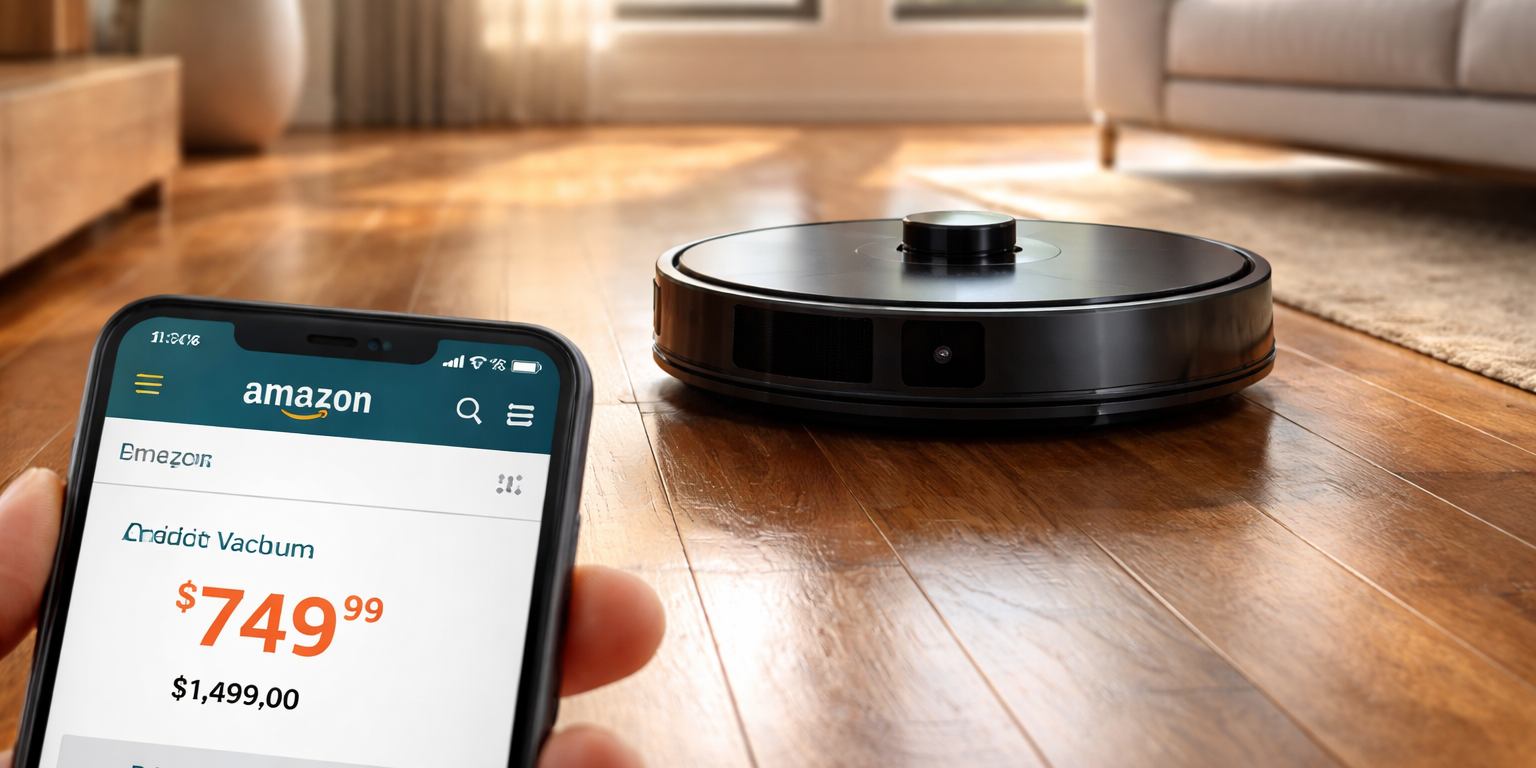
A vacuum robot pulling 19,500 pascals of suction now costs less than most cordless stick models. ECOVACS Robotics slashed the retail price of its DEEBOT X11 OMNICYCLONE to $749.99 on Amazon, down from the $1,499 launch figure set when the model debuted in March 2026. The discount positions the X11 below Roborock's S8 MaxV Ultra and roughly equivalent to iRobot's mid-tier Roomba Combo j9+, despite specs that exceed both in raw airflow metrics. For robotics engineers tracking consumer adoption curves, the move signals how quickly premium sensor packages and BLDC motor assemblies have commoditized. What cost four figures eighteen months ago now fits comfortably into the impulse-buy threshold for upper-middle-class households.
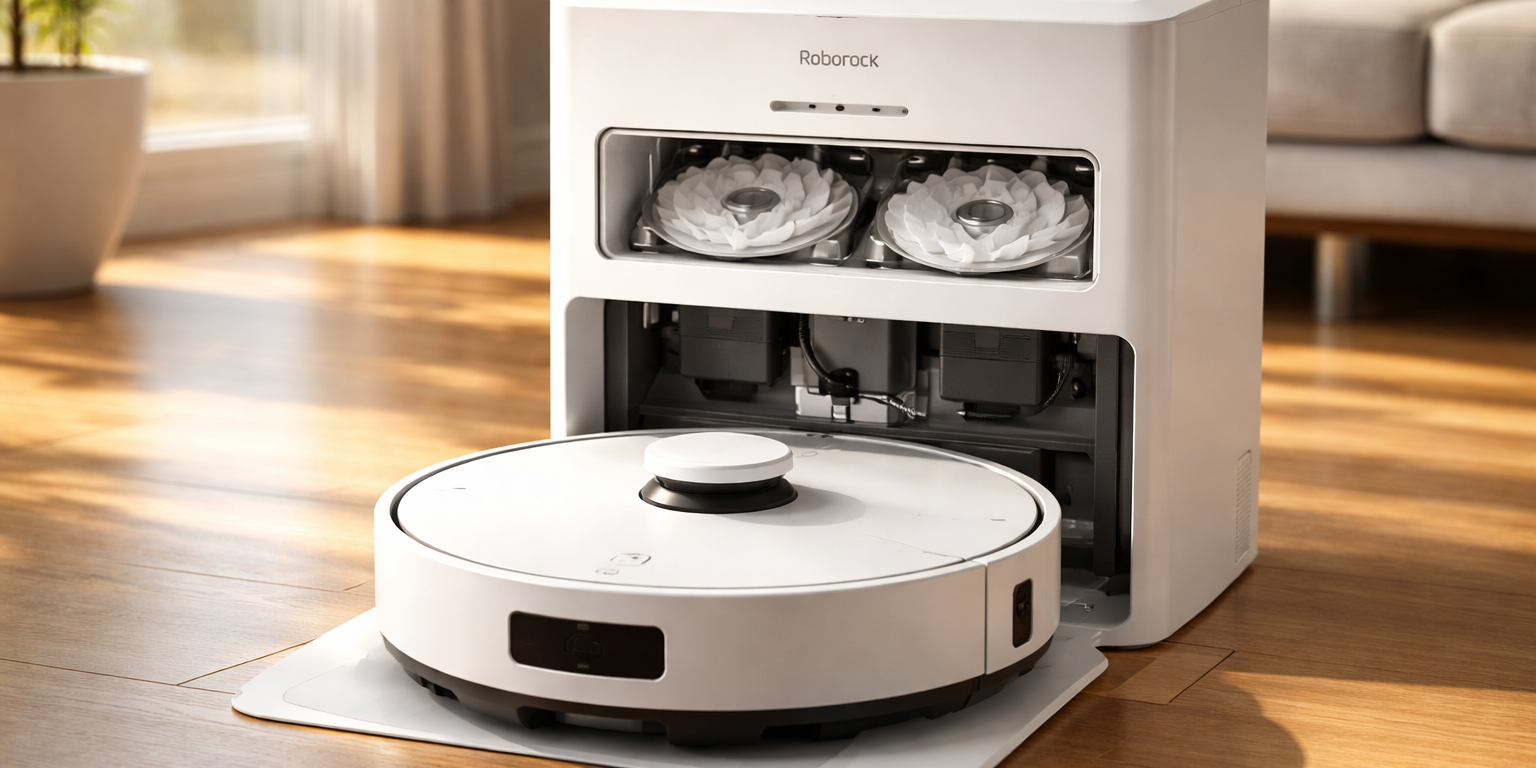
The X11's technical profile explains why ECOVACS felt confident marking it down so aggressively. The unit features a cyclonic separation system that eliminates vacuum bags entirely, routing debris into a 3.3-liter bin inside the docking station. That capacity translates to roughly 60 days of autonomous operation in a 2,000-square-foot home before manual intervention, according to internal testing data ECOVACS shared with retail partners. The self-washing roller mop uses edge-detection algorithms to maintain contact with baseboards during wet-cleaning passes, a feature the company markets as TrueEdge. More relevant to the robotics community: the X11 employs a twin-roller brush design with reverse-rotation logic to prevent hair entanglement, a persistent failure mode in competing products that still rely on single-brush architectures. ECOVACS claims the ZeroTangle system reduces maintenance calls by 67 percent compared to its previous-generation X10 model, though the company has not released field data to substantiate that figure.
PowerBoost Charging, the feature ECOVACS emphasizes in retail listings, refers to a 90-watt docking station that can replenish the X11's 5,200mAh lithium-ion pack from 20 percent to full in approximately 140 minutes. The robot returns to the dock mid-cycle if battery levels drop below 15 percent during large-area cleaning jobs, resumes automatically once charged to 80 percent, and maps out the most efficient return path to where it left off. The navigation stack combines a laser rangefinder with dual RGB cameras for obstacle avoidance, a hybrid approach that splits the difference between pure LIDAR implementations like those in Roborock's flagships and vision-only systems like those in budget models from Wyze and Eufy. ECOVACS sources its ToF sensors from Infineon and processes the point-cloud data using a proprietary SLAM algorithm running on a quad-core ARM processor clocked at 1.8GHz. The onboard compute allows the X11 to update floor plans in real time as furniture moves, a capability that requires meaningful edge processing rather than offloading to cloud infrastructure.
The broader context here is margin compression across the entire consumer robotics sector. ECOVACS reported a 22 percent year-over-year revenue decline in its Q2 2026 earnings, driven largely by pricing pressure in North America and Western Europe. iRobot, now operating as a subsidiary of Amazon following the protracted acquisition that closed in late 2025, has pushed Roomba pricing down across the board to leverage AWS infrastructure for map storage and voice integration. Roborock, still independent but facing stiff competition from Xiaomi-backed brands in its home China market, has held pricing steady but increased promotional frequency. Dreame Technology, the dark horse in this race, undercut everyone with its L20 Ultra at $649 while still offering comparable suction and mopping functionality. ECOVACS needed a response, and the X11 markdown delivers one. The question for investors is whether the company can sustain these price points while maintaining gross margins above 30 percent, the threshold most analysts consider healthy for hardware-dependent robotics firms. Component costs for brushless motors, battery cells, and sensor modules have declined, but not at a pace that fully absorbs a 50 percent retail price cut without somewhere else in the P&L taking the hit.
What to Watch: ECOVACS will report Q3 2026 earnings in early November; watch whether unit shipments increased enough to offset per-unit margin compression from this pricing strategy. iRobot's next Roomba refresh, expected before the 2026 holiday season, will clarify whether Amazon intends to use its retail dominance to flood the market with loss-leader vacuum robots that drive Alexa adoption. Roborock's rumored S9 series, reportedly entering production in Shenzhen this month, may force another round of price cuts if it launches below $800 with comparable or superior suction specs. Dreame's U.S. distribution expansion, slated for completion by December 2026, will test whether American consumers will trust a lesser-known Chinese brand at price parity with established names.