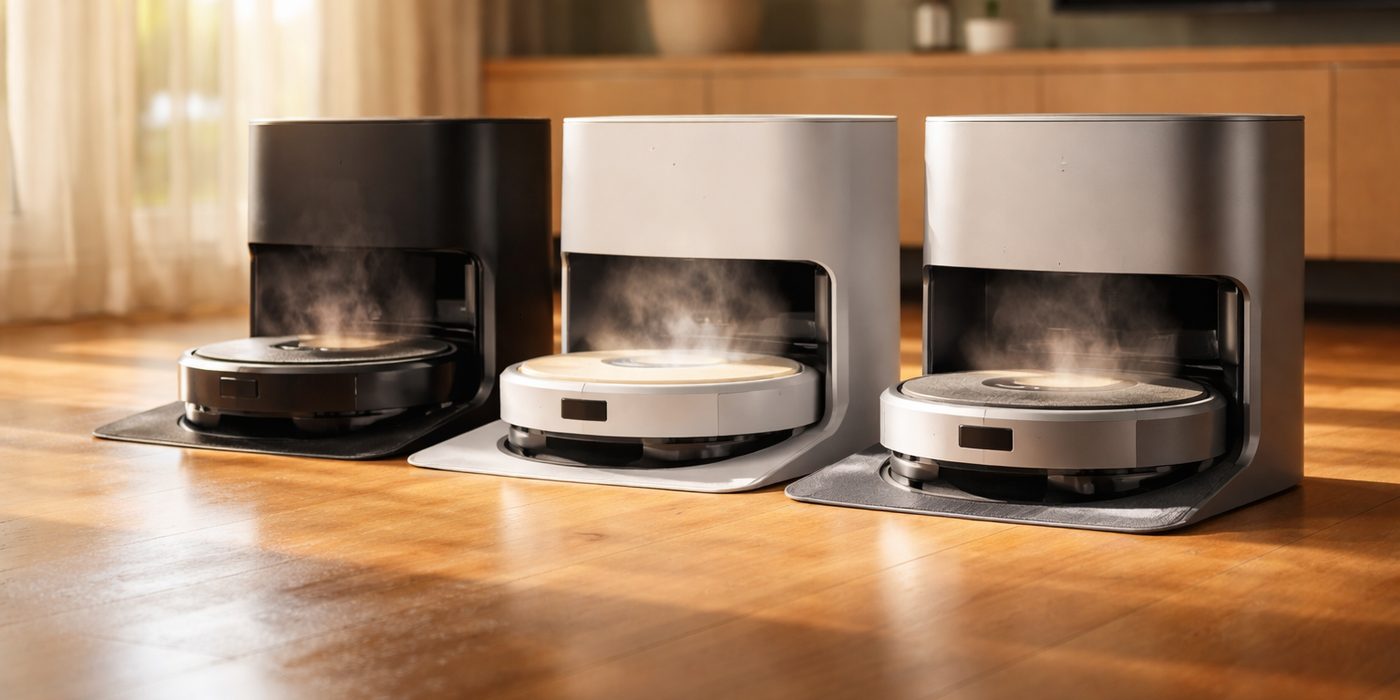
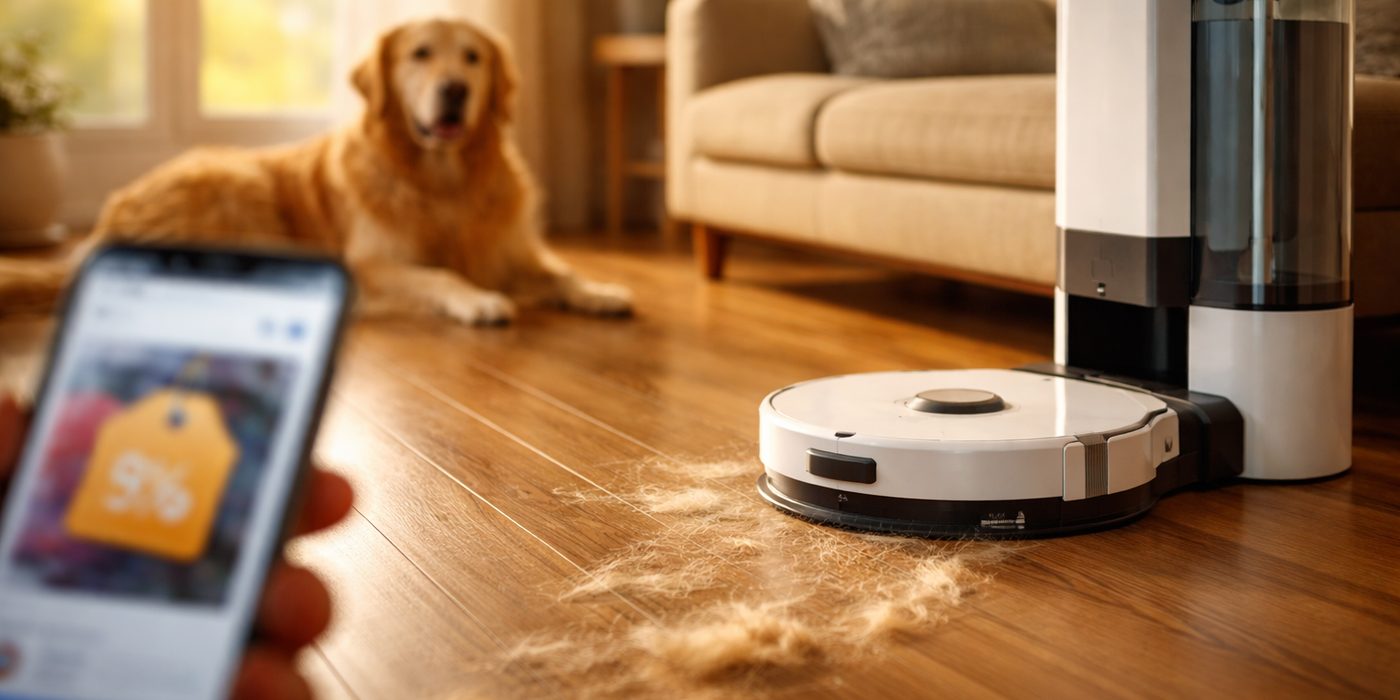
Thirty thousand pascals. Five years ago, that figure would have sounded like a spec-sheet fantasy for a machine that cruises under a sofa. On November 21, 2026, it is attached to a $499 price tag with free shipping, courtesy of an Amazon listing for the ECOVACS DEEBOT T90 PRO Omni robot vacuum and mop, first flagged by a Slickdeals user. The headline number is suction, which the listing puts at 30,000 Pa for pulling in dust and pet hair, but the more telling detail is the "Omni" designation. That means a base station that does the chores humans used to perform: emptying the bin, washing and drying the mop pads, and refilling the water tank.
The price is the story, and it reflects a pattern the robotics trade has watched for several years. Premium robot vacuums with self-emptying and self-washing docks once launched at $1,000 or more, positioned as luxury appliances for early adopters. Manufacturers then raced each other up the specification ladder, with suction ratings climbing from the low thousands of pascals to figures that dwarf anything a household actually needs. Spec inflation has a side effect. Once flagship numbers hit diminishing returns, the commercial battle moves from "who has the most" to "who can deliver it cheapest," and retail discounting during peak shopping weeks becomes a primary lever rather than a clearance tactic.
ECOVACS is well suited to that fight. The Chinese company, which has been selling robotic floor cleaners since the early 2000s, built its position on vertical integration and a model cadence that keeps a new DEEBOT generation in market nearly every year. That cadence matters for a deal like this one. A $499 price on a current-lineup T-series Omni unit suggests either healthy margin headroom or a deliberate decision to trade margin for share during the fourth quarter, when roughly a third of annual consumer robotics volume tends to ship. The T-series has historically occupied the volume-oriented tier beneath ECOVACS's X-series flagships, and the PRO Omni variant pairs a high-output motor with the multifunction dock that distinguishes it from entry-level models.
For robotics engineers and investors, the sharper observation is where the competitive pressure now sits. Suction and mopping hardware have largely converged across ECOVACS, Roborock, Dreame, and iRobot, which makes the dock the real product. A self-servicing base station is a small mechatronic system in its own right, combining pumps, heating elements, filtration, and sensing, and its reliability determines whether a customer keeps the robot or returns it. That is also where cost reductions are hardest to extract without hurting durability, so sustained pricing near $500 raises a fair question about component sourcing and warranty exposure. iRobot's well-documented financial struggles, and the consolidation among Chinese manufacturers that has followed, show how unforgiving this segment's margin structure can be when volume leaders set the price floor.
What to Watch
Track how Black Friday and Cyber Monday pricing on rival Omni-class docks from Roborock and Dreame compares against the $499 mark, since matching or undercutting it would confirm a new floor for the category. Watch ECOVACS's next quarterly results for any commentary on gross margin and overseas volume, which will show whether promotional pricing is eroding profitability. Keep an eye on early-2027 product announcements around CES in January, where manufacturers typically reveal next-generation docks and manipulator-equipped models that could push today's flagship features down another tier. Finally, monitor Amazon review trends and return rates for the T90 PRO Omni over the coming weeks, an unglamorous but reliable indicator of whether dock durability holds up at this price.