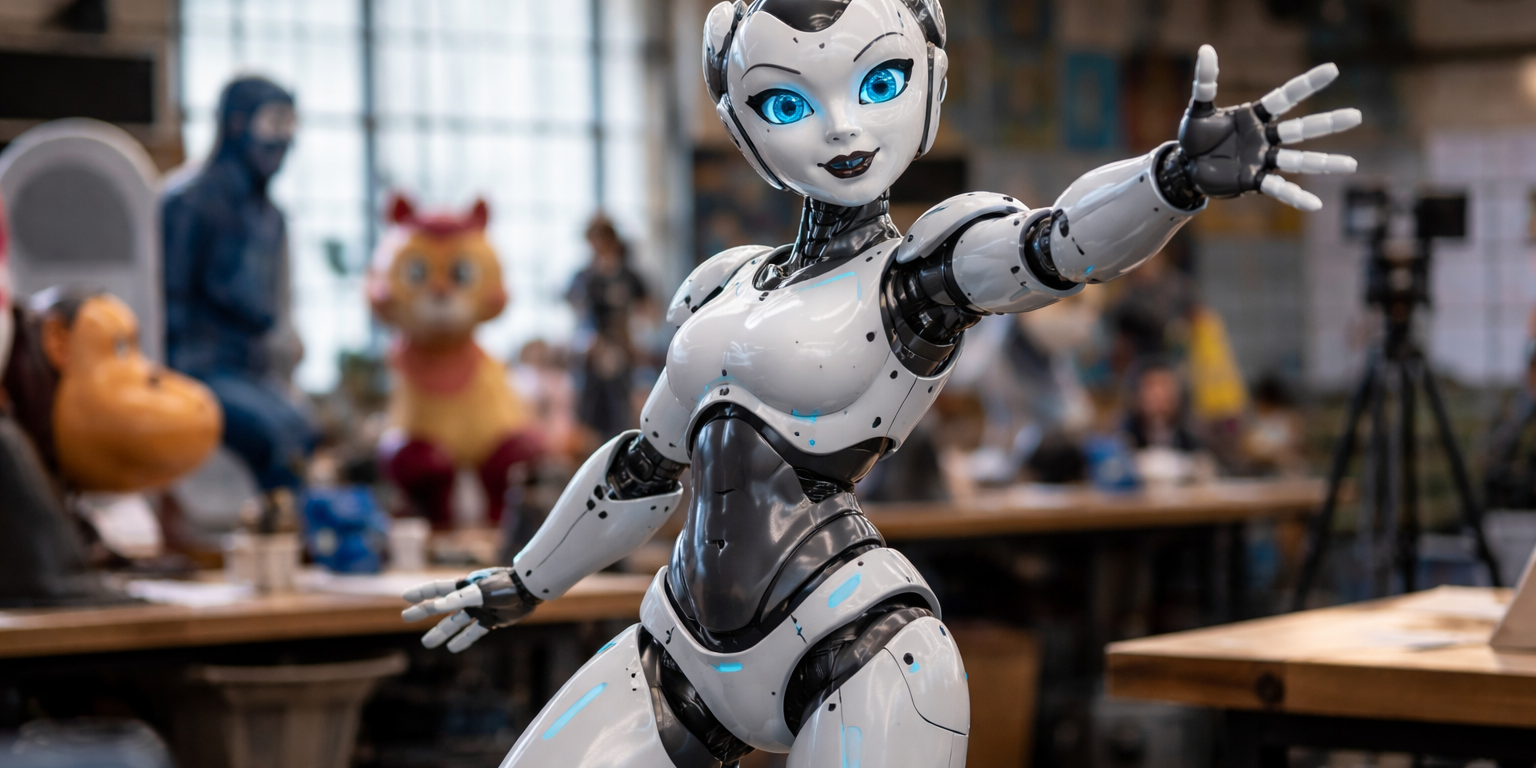
Boston Dynamics will not pursue an initial public offering in 2027, postponing what had been widely anticipated as one of the most closely watched debuts in the robotics sector. A senior executive at Hyundai Motor Group, speaking on condition of anonymity due to the sensitivity of internal planning discussions, told Reuters the delay stems directly from the company's inability to achieve meaningful commercial deployment of Atlas, its all-electric humanoid platform unveiled in April 2024. The acknowledgment represents a significant course correction for Hyundai, which acquired Boston Dynamics from SoftBank for $1.1 billion in 2020 with explicit plans to build a robotics portfolio capable of standing as an independent publicly traded entity.
The executive pointed to a gap between laboratory performance and field readiness as the primary obstacle. Atlas has logged thousands of hours in controlled testing environments at Boston Dynamics' Waltham, Massachusetts headquarters and at Hyundai's proving grounds in South Korea. It can navigate uneven terrain, manipulate objects with its articulated grippers, and recover from pushes and falls with a fluidity that continues to dominate social media when demonstration videos surface. None of that translates to the kind of continuous uptime, predictable maintenance schedules, and ROI calculations that enterprise customers demand before signing deployment contracts. Three automotive suppliers that participated in pilot programs during the first half of 2026 declined to move forward with purchases, according to two people familiar with the discussions. The companies cited concerns about task-specific reliability and total cost of ownership over a five-year horizon compared to existing automation solutions, even accounting for Atlas's superior dexterity in confined spaces.
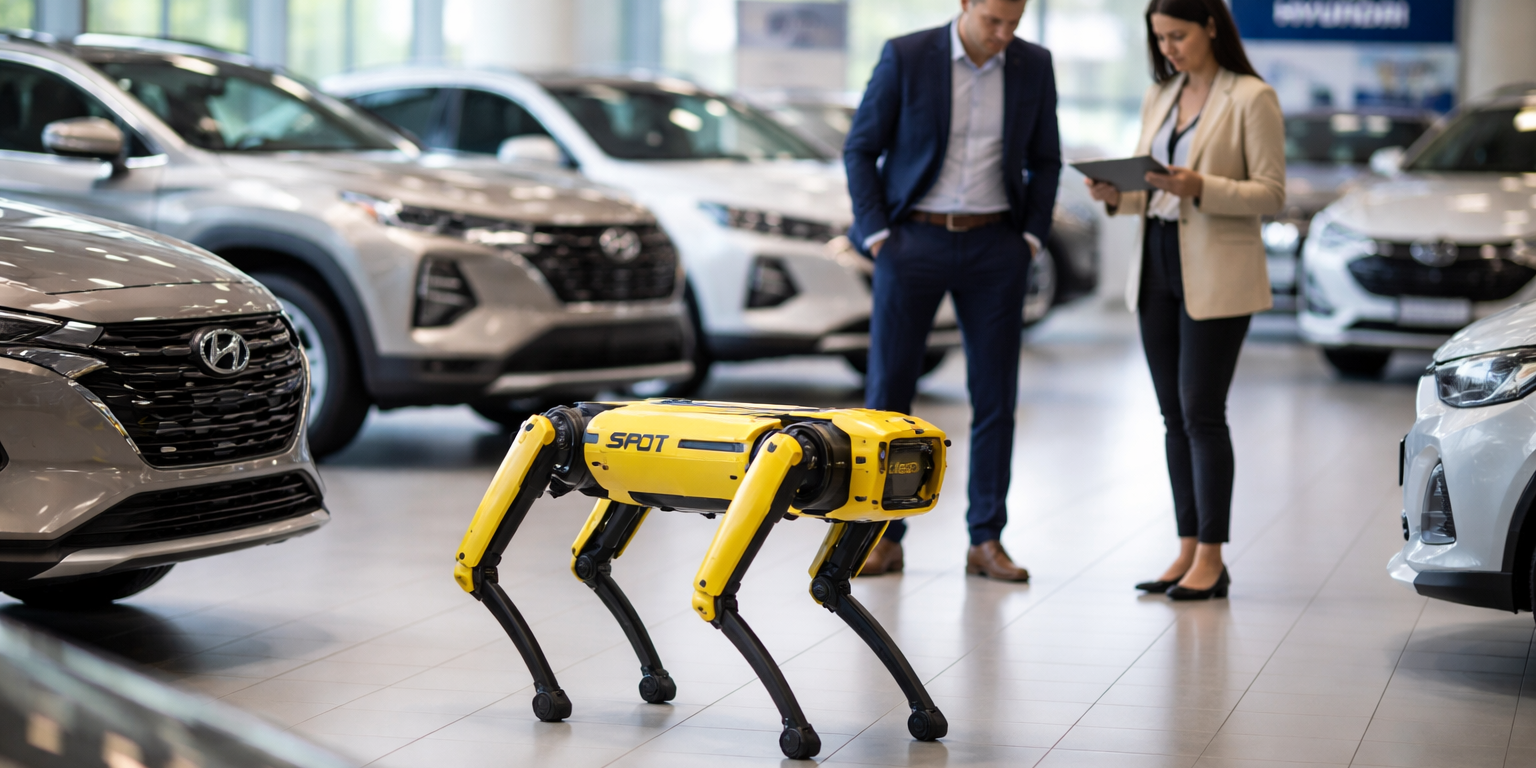
Hyundai had originally floated 2026 as a potential IPO window during investor presentations in late 2023, suggesting Boston Dynamics could achieve standalone viability once humanoid revenue began offsetting the unit's longstanding research expenditures. That timeline slipped to 2027 as engineering challenges mounted and the competitive landscape shifted. Figure AI, backed by $675 million in Series B funding at a $3.2 billion valuation, placed its first commercial units with BMW's Spartanburg plant in March 2026. Agility Robotics, which began shipping Digit to Amazon fulfillment centers in late 2025, announced a second manufacturing facility in Dallas in June 2026 to meet demand. Tesla remains opaque about Optimus production volumes but has confirmed deployment at its Gigafactory Texas site for battery module handling. Boston Dynamics, meanwhile, continues to derive the majority of its revenue from Spot, the quadruped platform launched in 2019, and Stretch, the mobile warehouse robot introduced in 2021. Atlas generates no material revenue. The company does not break out financials publicly, but a person familiar with its performance said 2025 revenue was approximately $240 million, substantially below the threshold Hyundai would consider sufficient to support a credible IPO valuation in the current market.
The IPO postponement also reflects broader headwinds facing robotics listings. Sarcos Technology and Robotics Corporation, which went public via SPAC merger in September 2021 at a $1.3 billion valuation, traded below $1 per share for most of 2023 before completing a reverse merger with RE2 Robotics in early 2024. Public market investors have shown limited appetite for pre-revenue or low-revenue robotics platforms, particularly in a macro environment where interest rates remain elevated and profitability timelines are uncertain. Private valuations have held up better, but the IPO window for hardware companies narrowed considerably after the correction that began in late 2021. Hyundai appears unwilling to test those waters until Boston Dynamics can present a clear path to positive operating cash flow anchored by humanoid deployments at scale, not just engineering milestones. The executive declined to specify an updated IPO timeline, saying only that the company would revisit the decision once Atlas was generating recurring revenue from multiple enterprise customers across different verticals. That leaves the earliest realistic window somewhere in 2028 or beyond, assuming deployment momentum accelerates in the second half of 2027.
What to Watch: Track Atlas deployment announcements from Hyundai's own manufacturing facilities, which would signal internal confidence before pursuing external sales. Monitor whether Boston Dynamics adjusts its go-to-market strategy by offering Atlas as a service rather than a capital purchase, a model Figure AI has used to lower adoption barriers. Watch for executive turnover at Boston Dynamics, particularly in commercial roles, if revenue targets continue to slip. Finally, observe how Hyundai's quarterly earnings calls address the robotics unit's financials as investor scrutiny increases on when the subsidiary will contribute rather than consume capital.