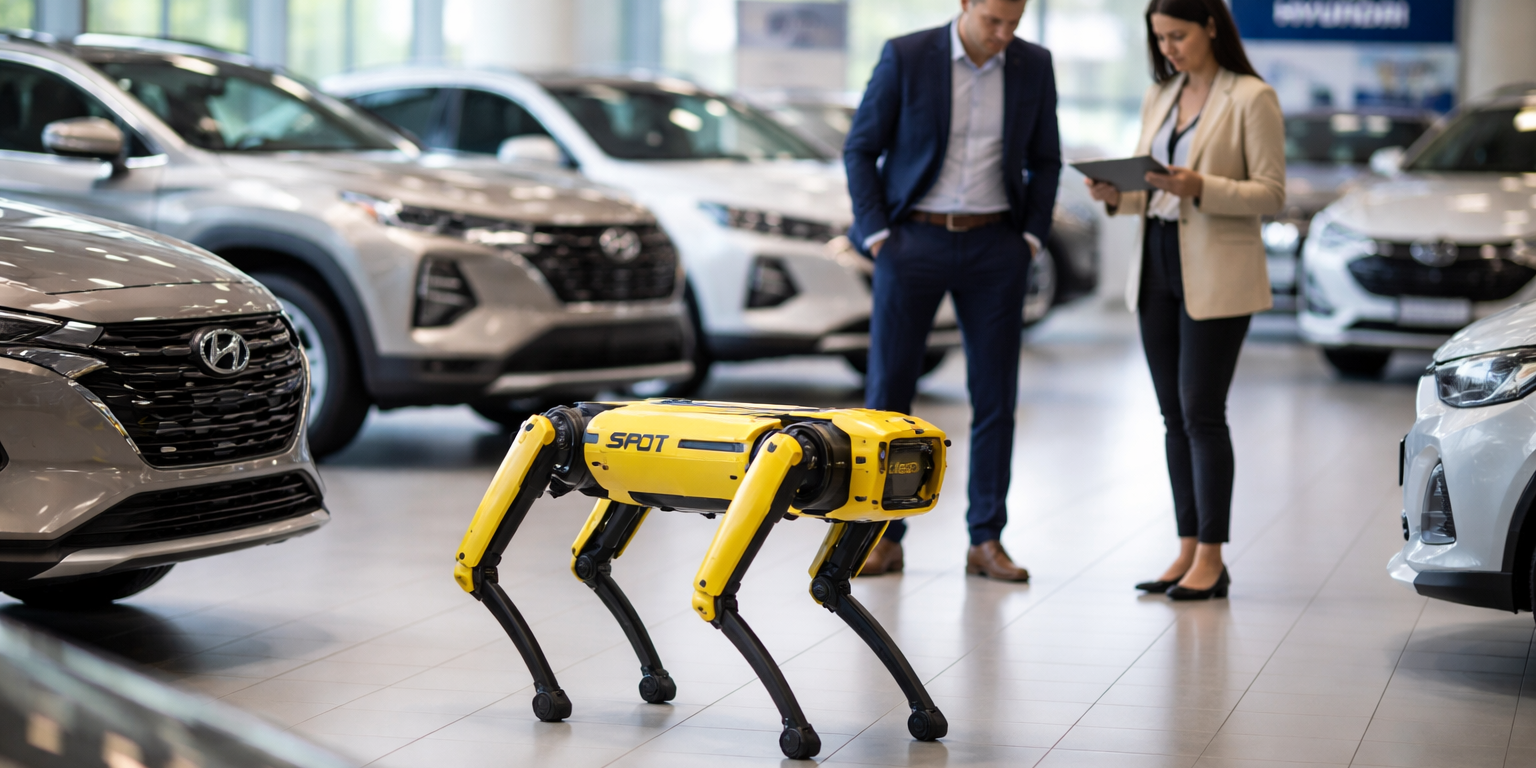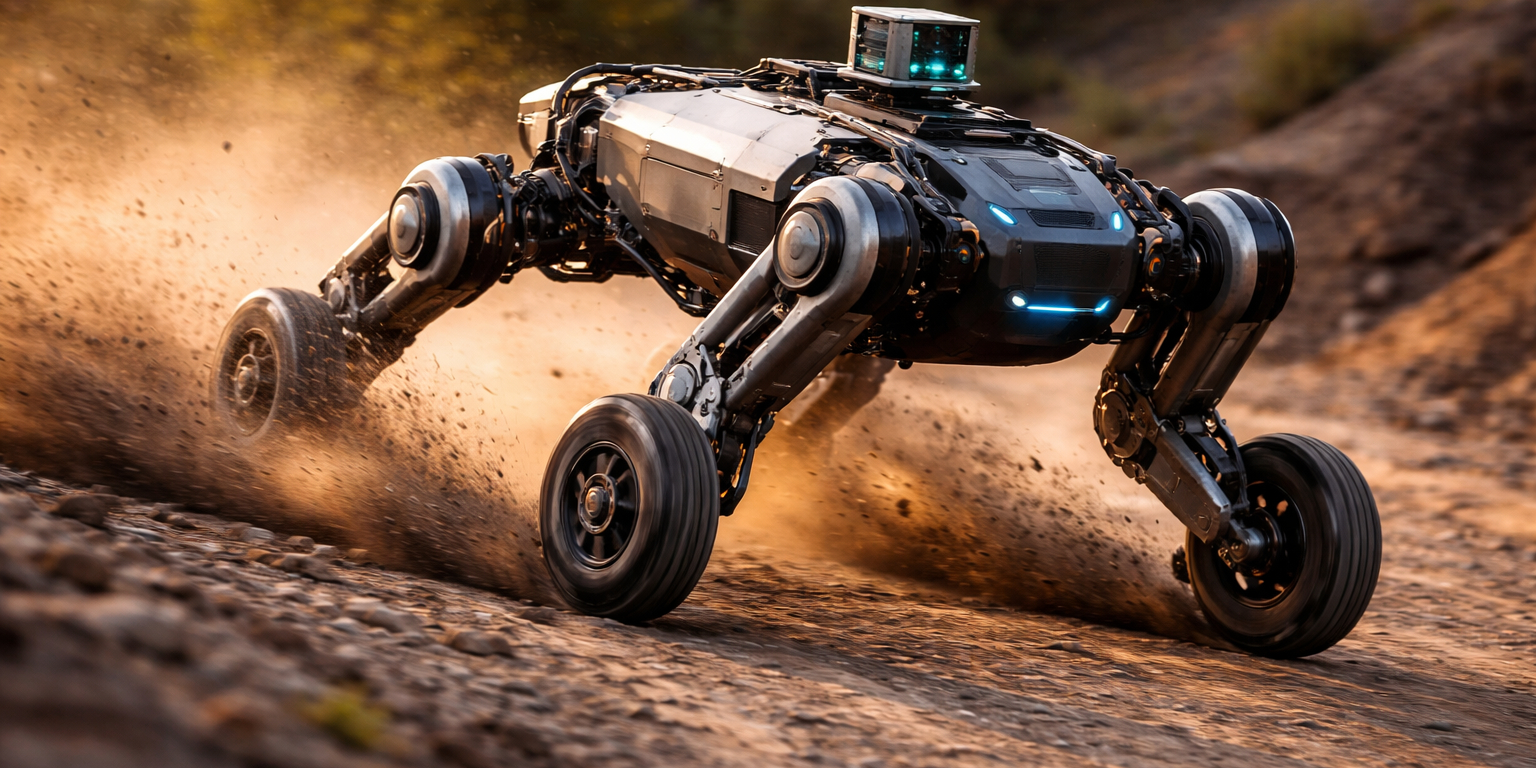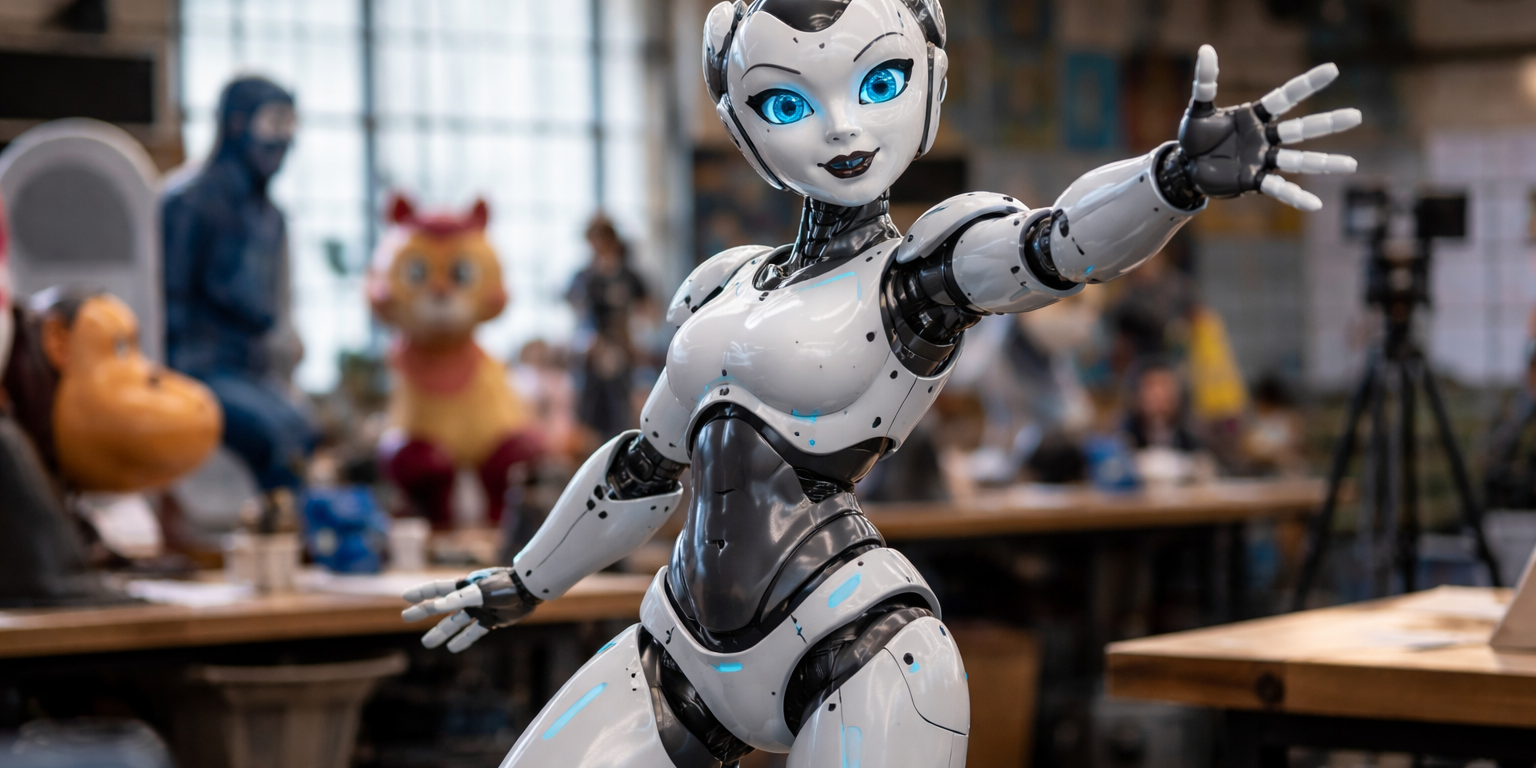
A Boston Dynamics veteran whose name has not yet been publicly disclosed has launched Dynamic Creatures, a startup targeting the entertainment robotics market with character-based platforms designed for theme parks, retail environments, and brand experiences. The company intends to develop its own stable of characters while simultaneously offering custom robotic builds for intellectual property holders who want physical, mobile versions of existing characters. Dynamic Creatures represents the latest in a series of Boston Dynamics spinouts and alumni ventures, though this marks the first to explicitly target character animation rather than industrial, logistics, or security applications. The entertainment robotics sector has struggled for years to deliver on promises made by early animatronics pioneers, constrained by power density, actuator performance, and control systems that cannot replicate the fluid motion audiences expect from CGI. Dynamic Creatures enters a market where Disney Research, Universal Creative, and a handful of smaller studios have attempted similar systems with mixed results.
The founder's pedigree matters here. Boston Dynamics spent two decades refining legged locomotion, hydraulic actuation, and real-time balance control systems that allowed Spot, Atlas, and Handle to navigate unstructured environments. Those core competencies translate directly to character robotics, where bipedal or quadrupedal figures must move convincingly while interacting with crowds in unpredictable settings. Theme parks have deployed static animatronics for decades, but mobile characters remain rare outside of controlled parade routes or brief demonstrations. Universal's WALL-E animatronic and Disney's Stuntronics project showed what is possible with sufficient engineering resources, but neither led to widespread deployment. Dynamic Creatures appears to be betting that advances in electric actuation, onboard compute, and AI-driven motion planning have reached a threshold where character robots can operate reliably in public spaces for extended periods. The company has not disclosed funding details, team size, or initial target customers, though sources familiar with the venture suggest discussions are underway with major theme park operators and a Middle Eastern entertainment developer planning facilities expected to open in late 2027.
The business model splits between original IP and work-for-hire character builds. Developing proprietary characters gives Dynamic Creatures control over licensing, merchandising, and ongoing platform development without the constraints of third-party brand guidelines. Custom builds for existing IP, however, offer a faster path to revenue and proof of concept deployments. A licensor with an established character franchise brings built-in audience demand and marketing reach, reducing the risk of a cold launch in a market where consumers have little patience for uncanny valley robotics. The challenge lies in meeting the expectations set by film and animation studios, where characters exhibit expressiveness and motion fluidity that current robotics hardware cannot fully replicate. Dynamic Creatures will need to balance technical feasibility with creative ambition, likely starting with characters whose design naturally accommodates robotic constraints. A bulky creature or mechanical-themed character can hide servo housings and power systems more easily than a humanoid figure in a form-fitting costume. Disney learned this lesson with its BB-8 droid, which became a touring presence precisely because its spherical design allowed for sophisticated mechanics without breaking the illusion.
The entertainment robotics market has seen increased activity over the past eighteen months. Engineered Arts expanded its Ameca humanoid platform into experiential marketing after initial deployments in museums and trade shows. Figure AI and 1X Technologies have both suggested consumer and entertainment applications for their humanoids, though neither has announced concrete partnerships. Agility Robotics showed Digit delivering packages at an Amazon facility, but the company has avoided entertainment sector discussions despite obvious theatrical potential for a bipedal robot. Dynamic Creatures differentiates by focusing exclusively on character work rather than attempting to span industrial and entertainment use cases. That focus could prove advantageous if it allows faster iteration on expressive behaviors and aesthetic design, or it could limit scale if the addressable market remains smaller than hoped. Theme parks globally represent a multibillion-dollar capital expenditure market, with major operators like Disney, Universal, Merlin Entertainments, and Six Flags continuously refreshing attractions. Robotics has historically captured only a small fraction of that spend, mostly in static figures. Mobile, interactive characters that can roam freely, pose for photos, and adapt to crowd behavior would command premium pricing and potentially reshape how parks approach character meet-and-greets and ambient entertainment.
What to Watch: Dynamic Creatures has not announced a launch timeline for its first character, but expect prototype demonstrations at industry events like IAAPA Expo in late 2026 or early 2027. Monitor partnership announcements from major theme park operators, particularly Universal Creative and non-U.S. developers in the Gulf region. Watch whether other Boston Dynamics alumni follow with entertainment-focused ventures, as the talent pipeline from Waltham to character robotics may be just beginning. Any reveal of the founder's identity and prior projects at Boston Dynamics will clarify what motion control capabilities Dynamic Creatures can realistically deliver.