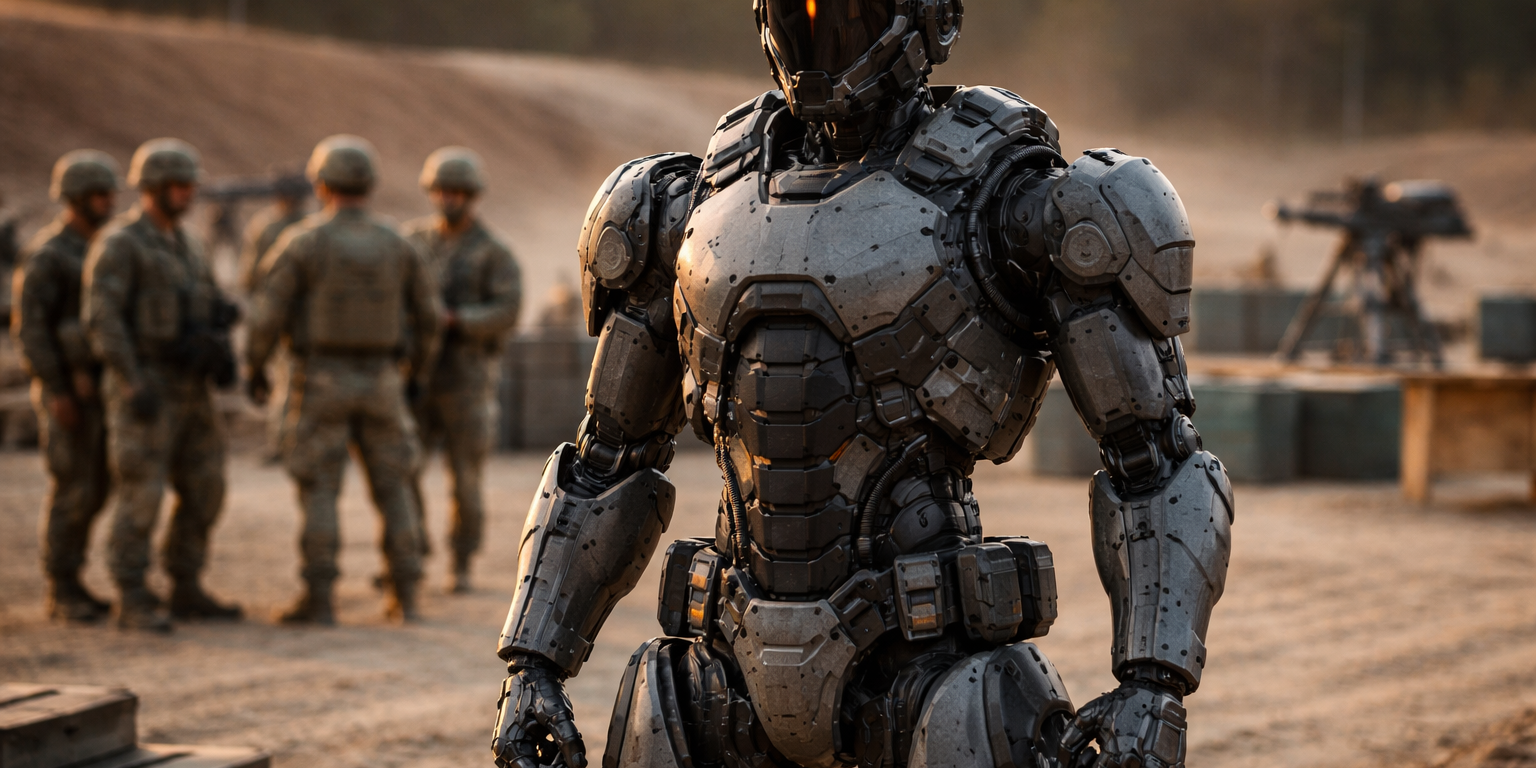
The line between autonomous navigation and automated weapons fire has become the defining technical question for military drone development, according to recent industry analysis. While unmanned systems can now pilot themselves through contested airspace, avoid obstacles, and select surveillance targets without human input, the final decision to deploy kinetic weapons remains locked behind human approval across all U.S. military programs. That operational split drives fundamentally different engineering requirements for platform designers, who must build systems capable of independent decision-making in some domains while maintaining rigid human override protocols in others.
The technical challenge extends beyond simple remote control architectures. Modern battlefield drones operate in GPS-denied environments where communications links fail intermittently and enemy jamming attempts to sever the connection between operator and platform. Autonomous systems handle these scenarios by continuing their mission using onboard sensors, artificial intelligence models, and pre-programmed decision trees. They navigate around threats, adjust flight paths based on real-time intelligence, and return to base when fuel or battery reserves hit predetermined thresholds. But weapons employment authority never transfers to the machine, regardless of connectivity status. If the link drops during a strike mission, the drone either loiters until connection restores or aborts the engagement entirely. Defense contractors building these platforms must therefore engineer for two distinct operational modes: full autonomy for non-kinetic tasks and complete human dependency for lethal action.
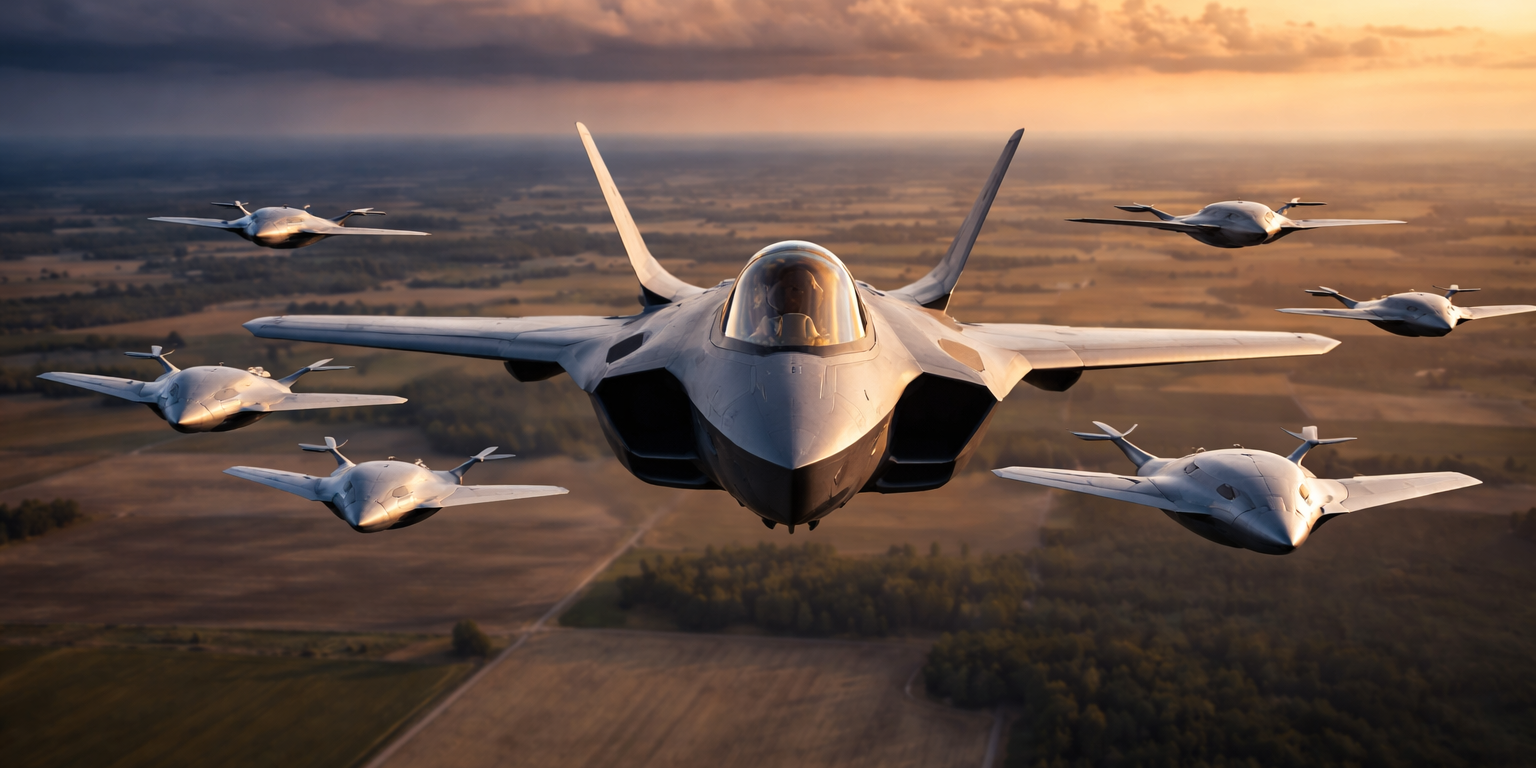
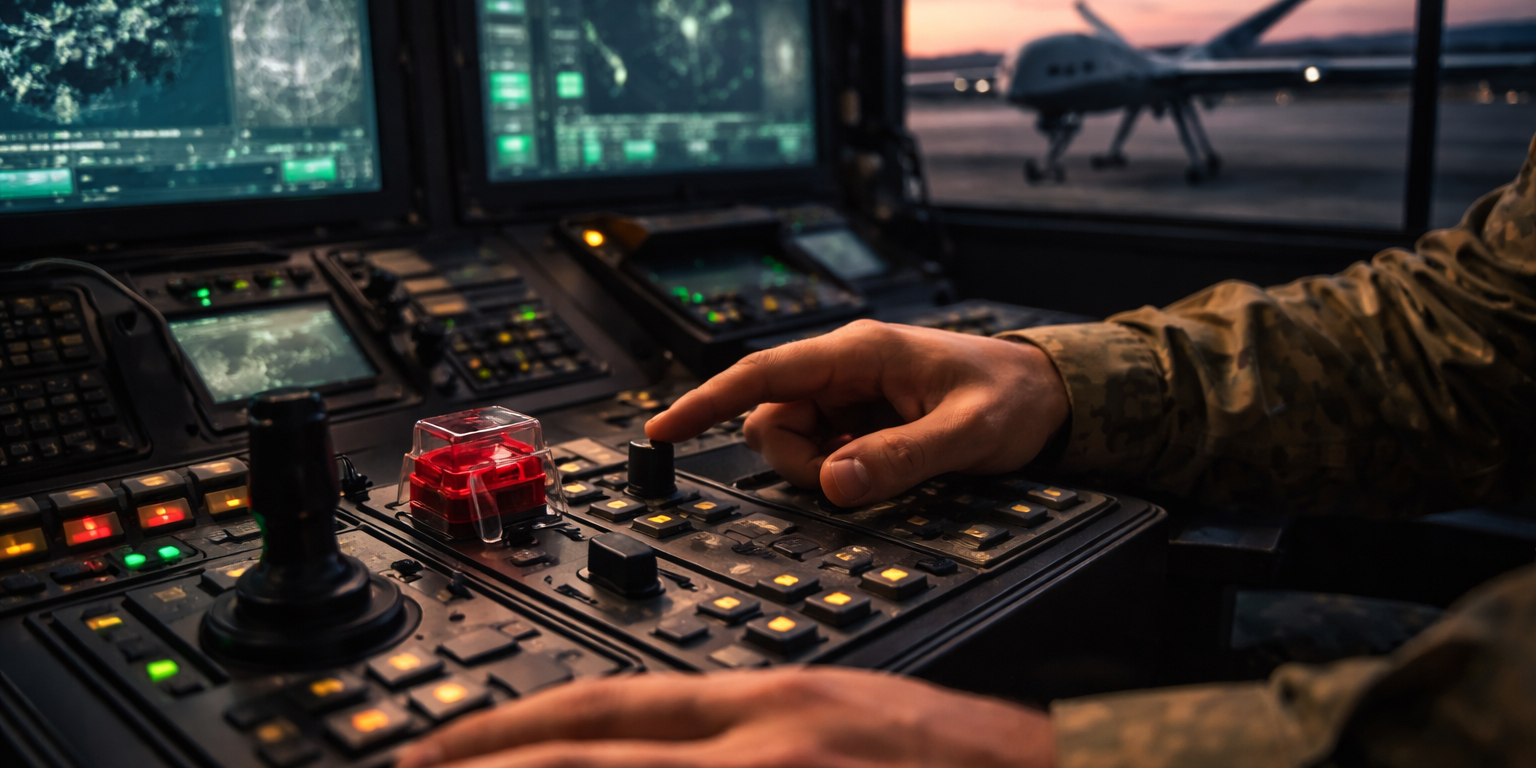
The force multiplication argument centers on operator workload. A single human controller managing one drone maintains constant attention on that platform's sensor feeds, flight path, and tactical situation. That same operator overseeing five or ten autonomous drones shifts into a supervisory role, monitoring mission progress and stepping in only when authorization decisions arise. The math changes dramatically. A four-person crew traditionally operating four individual aircraft could theoretically manage forty autonomous platforms, conducting simultaneous reconnaissance across a combat theater while retaining human judgment for any weapons release. Several defense programs already demonstrate this model in practice, though specific platform names and operational details remain classified. The technology exists and functions reliably in field conditions. Procurement decisions now hinge on doctrine, risk tolerance, and the willingness to trust machine vision systems for target identification up to the point of engagement.
Industry observers note the asymmetry between U.S. constraints and adversary development programs. While American defense policy requires human involvement in kinetic decisions, competitors face no such limitations. Reports indicate several nations have deployed or tested fully autonomous weapons systems capable of identifying, tracking, and engaging targets without human confirmation. That creates a speed disadvantage in future conflicts where decision cycles measured in milliseconds could determine tactical outcomes. The counter-argument from Pentagon planners emphasizes accuracy and accountability. Human oversight reduces friendly fire incidents, prevents engagement of protected targets like hospitals or cultural sites, and maintains clear legal responsibility for combat actions. Autonomous systems, however sophisticated, still misidentify targets at rates unacceptable for lethal force application. The engineering challenge becomes building AI models reliable enough to recommend targets with near-perfect accuracy while keeping the final authorization firmly in human hands.
What to Watch: Monitor defense appropriations language in the 2025 National Defense Authorization Act for specific funding directed at human-machine teaming architectures. Track statements from Army Futures Command and Air Force Life Cycle Management Center regarding acceptable autonomy levels for the Next Generation Combat Vehicle and Collaborative Combat Aircraft programs. Watch for updated Department of Defense directives on autonomous weapons policy, expected within six months following recent congressional testimony on AI warfare ethics.