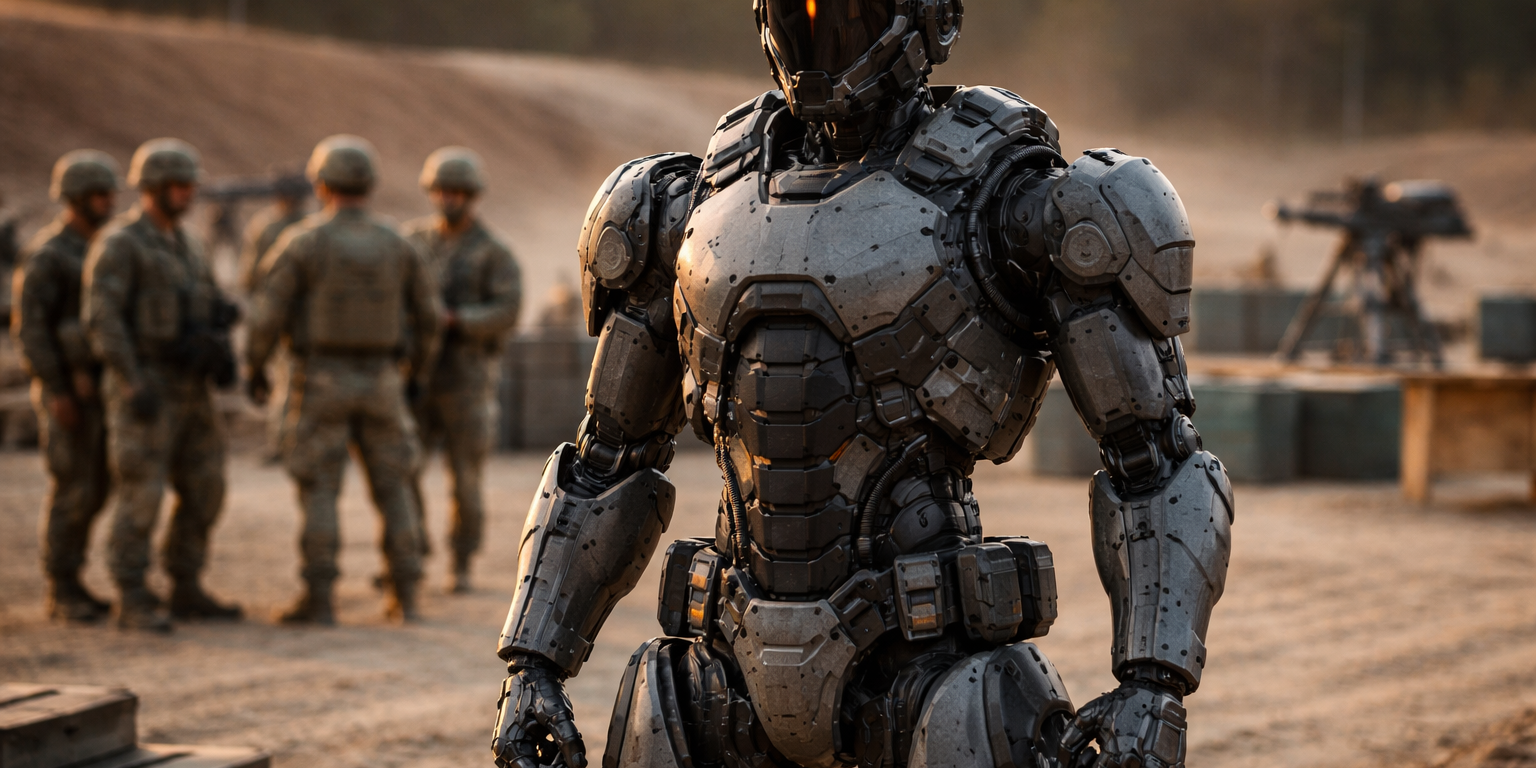
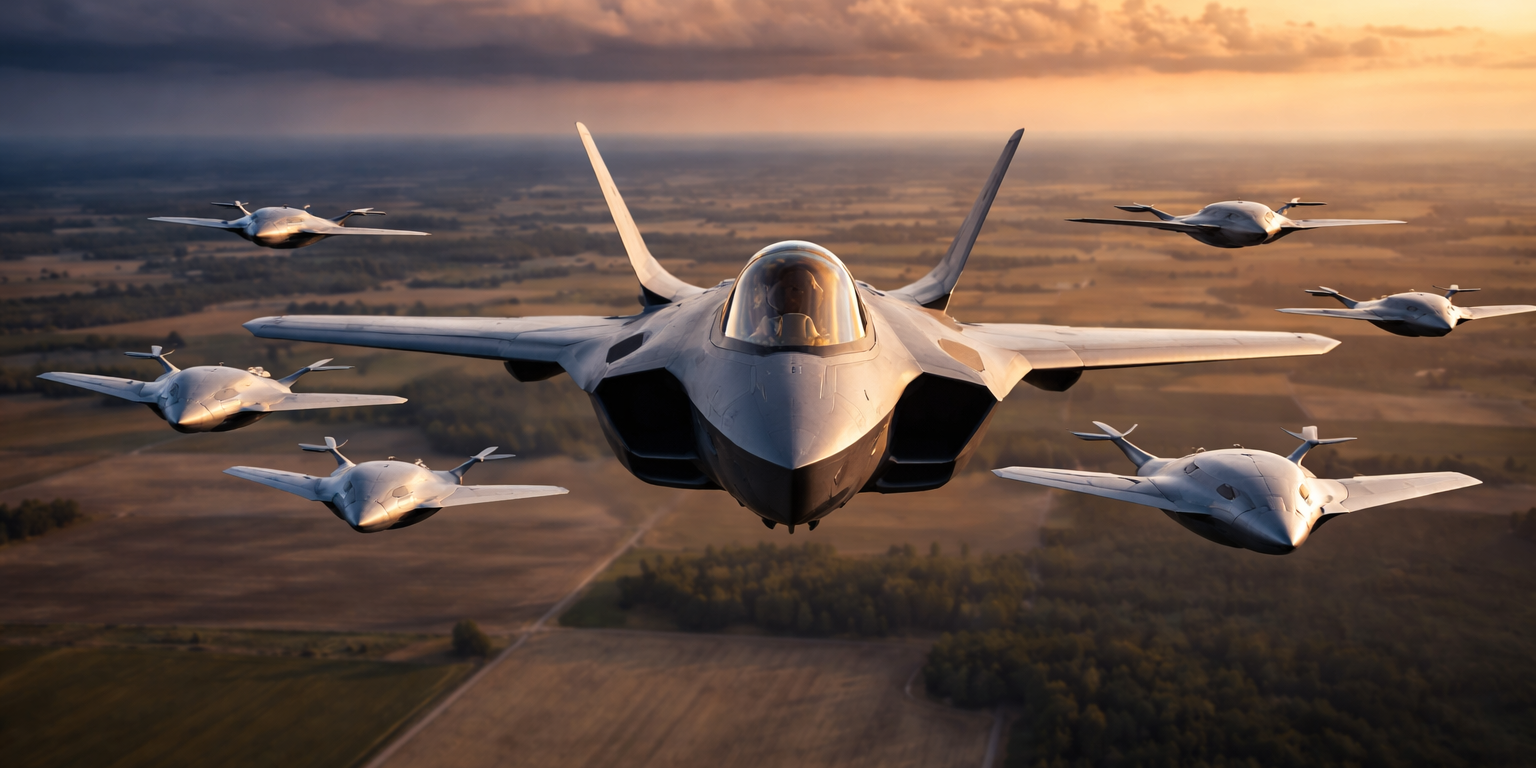
Autonomous weapons capable of selecting and engaging targets without human intervention have transitioned from theoretical concern to documented battlefield reality. Systems deployed in recent conflicts including Azerbaijan's use of loitering munitions against Armenian forces and reports of autonomous drones in Libya and Ukraine demonstrate that the technology threshold has been crossed. The international community now faces a binary choice: codify restrictions through binding treaty language or accept fully autonomous weapons as a permanent fixture of modern warfare. That decision will reshape defense contracting, liability frameworks, and the risk calculus for companies developing dual-use robotics platforms.
The Campaign to Stop Killer Robots, a coalition of non-governmental organizations spanning more than 180 member groups across 65 countries, has lobbied for a preemptive ban on lethal autonomous weapons systems for over a decade. Their efforts at the United Nations Convention on Certain Conventional Weapons have produced recommendations but no enforceable prohibition. The group defines autonomous weapons as systems that can select and engage targets without meaningful human control, a standard that distinguishes them from remotely piloted drones or precision-guided munitions. Military contractors including Northrop Grumman, Lockheed Martin, and Israel Aerospace Industries have invested billions in swarming drone technology, sensor fusion platforms, and AI-enabled targeting systems that inch closer to full autonomy. Anduril Industries, the defense technology firm valued at $14 billion as of its 2024 Series F round, markets its Lattice AI software as capable of autonomous threat assessment, though company representatives emphasize human oversight remains in the engagement loop. The technical capability to remove that human clearly exists. Whether it should is no longer a hypothetical debate.
Proponents of autonomous weapons cite speed of decision-making in contested environments where communications may be jammed or degraded. They argue machines lack the emotional responses that lead to war crimes and can be programmed to strictly observe rules of engagement. The counterargument centers on accountability and the ethical threshold of delegating life-and-death decisions to algorithms. International humanitarian law requires distinction between combatants and civilians, proportionality in use of force, and the ability to hold individuals accountable for violations. Critics including Human Rights Watch contend that autonomous systems cannot meet these standards. When an autonomous weapon misidentifies a school bus as a military transport, who bears criminal responsibility? The commanding officer who deployed the system? The contractor who sold it? The engineer who trained its neural network? Current legal frameworks provide no clear answer. Several nations including China, Russia, Israel, South Korea, and the United States have opposed a comprehensive ban while expressing support for undefined regulatory principles. That rhetorical position allows continued development while deferring harder questions about limits and enforcement.
The robotics industry cannot avoid this conversation. Companies building perception systems, motion planning algorithms, and edge computing hardware for warehouse automation or agricultural applications sell components indistinguishable from those used in weapons platforms. Boston Dynamics famously pledged not to weaponize its robots and called on other companies to follow suit, but the open letter garnered signatures from just a fraction of robotics firms globally. Defense contracts represent substantial revenue for many companies operating in dual-use technology spaces. NVIDIA's Jetson platform powers both autonomous delivery robots and military unmanned ground vehicles. ROS, the Robot Operating System maintained as open-source software, appears in research papers on both elder care assistance and border security automation. The line between civilian and military robotics dissolved years ago in practical terms. What remains unresolved is whether companies face reputational, legal, or financial consequences for enabling lethal autonomy. Investors evaluating defense technology startups must now weigh regulatory risk alongside market opportunity. If major governments move toward treaty restrictions, companies with revenue concentrated in autonomous weapons face existential threats. If governments embrace autonomous systems as strategic necessities, companies that self-restrict may forfeit a lucrative market segment to less scrupulous competitors.
What to Watch: Monitor negotiations at the UN Convention on Certain Conventional Weapons scheduled for Geneva in December 2025, where member states may vote on proposed language defining meaningful human control requirements. Track defense authorization bills in the U.S. Congress and European Parliament for amendments addressing autonomous weapons procurement standards. Watch for major defense primes including BAE Systems, Raytheon, and Thales to announce policy positions or voluntary restrictions on autonomous targeting as pressure from institutional investors increases. Industry groups including the Association for Advancing Automation may issue guidance clarifying ethical boundaries for member companies.