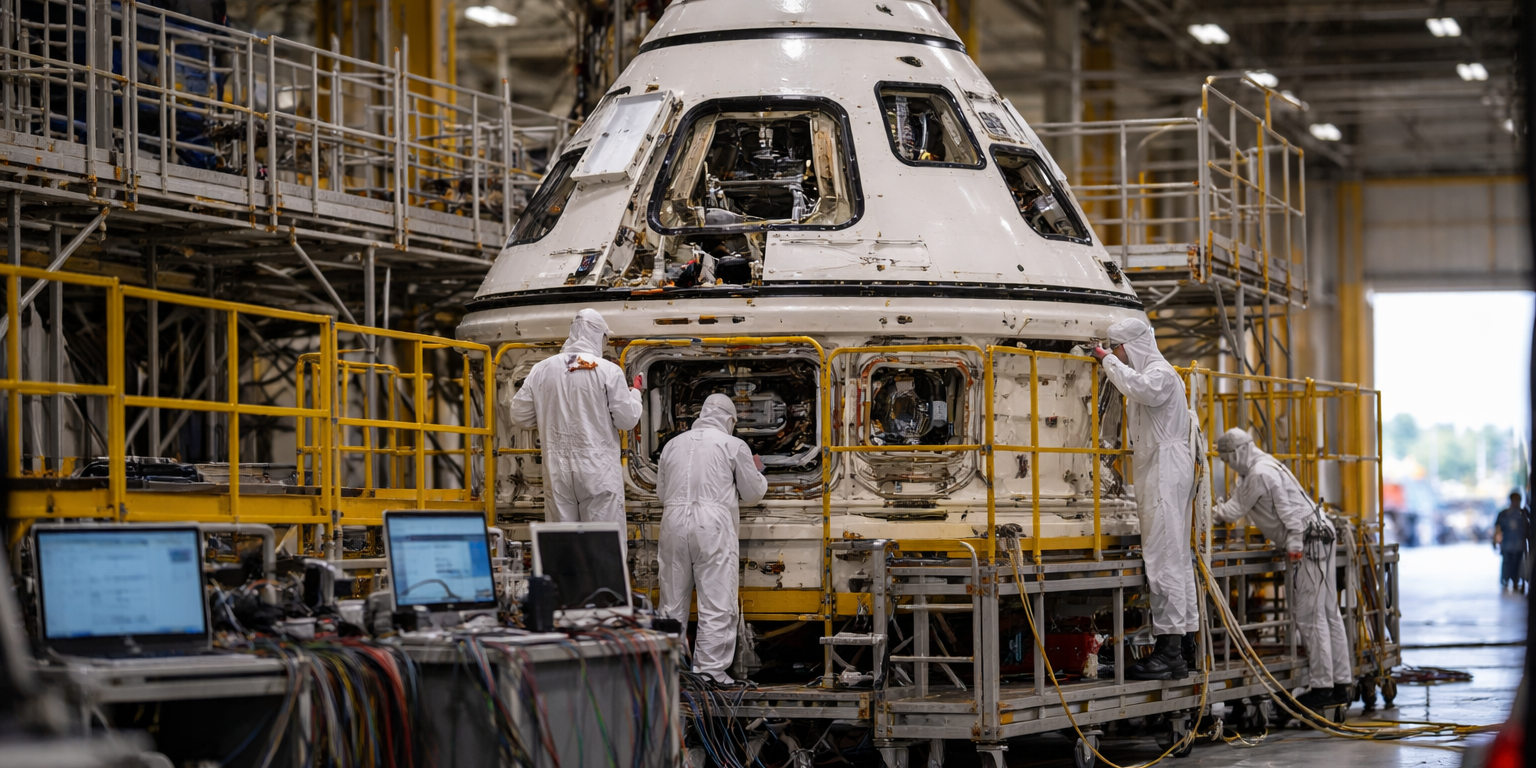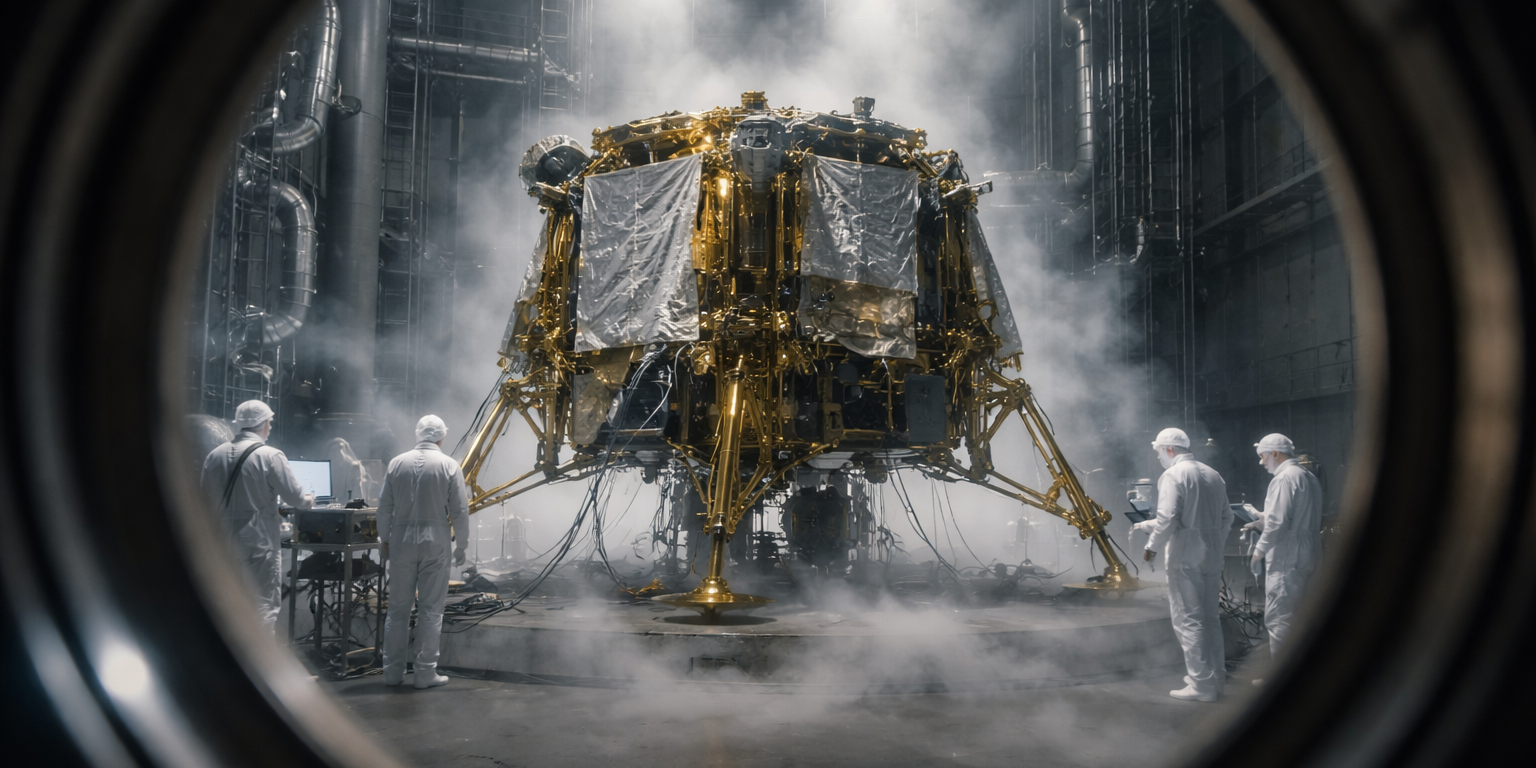
Astrobotic Technology has moved its Griffin-1 lunar lander into environmental testing facilities in California, marking the first major hardware milestone since NASA rebranded the mission as Moon Base 2. The transition from laboratory assembly to qualification testing puts the spacecraft on track for a late 2026 launch, approximately two and a half years after the company's Peregrine Mission One suffered a catastrophic propulsion failure hours into flight. Griffin-1 represents a dramatically different scale of operation: where Peregrine carried 90 kilograms of payload, Griffin-1 is designed to deliver up to 625 kilograms to the lunar surface. That capacity makes it the largest commercial lunar lander under active development in the United States.
The environmental testing campaign will subject Griffin-1 to thermal vacuum conditions, acoustic vibration profiles, and electromagnetic interference scenarios that replicate launch and deep space environments. Astrobotic has not disclosed which California facility is hosting the tests, though the company previously worked with Lockheed Martin Space in Sunnyvale for thermal testing of Peregrine components. These qualification tests typically span three to six months for a spacecraft of Griffin-1's class, compressing the schedule considerably if the late 2026 launch window remains firm. The lander's primary payload is NASA's VIPER rover, a golf-cart-sized vehicle designed to hunt for water ice in permanently shadowed craters near the Moon's south pole. VIPER itself has been through its own testing gauntlet at NASA's Glenn Research Center in Ohio and Johnson Space Center in Texas, undergoing mobility trials and thermal vacuum characterization since 2024.
NASA's decision to rebrand Griffin-1 as Moon Base 2 reflects the agency's broader shift in messaging around its Commercial Lunar Payload Services initiative. The original CLPS framework, established in 2018, emphasized rapid, risk-tolerant missions with the expectation that some would fail. Three CLPS missions have launched to date: Astrobotic's Peregrine failed in cislunar space; Intuitive Machines' Odysseus successfully landed but tipped over; and Firefly Aerospace's Blue Ghost is currently in transit to Mare Crisium. By rebranding Griffin-1 under the Moon Base designation, NASA signals a transition from exploratory sorties to infrastructure-class missions. Moon Base 1, carried aboard Intuitive Machines' IM-2 lander, is scheduled to launch in the fourth quarter of 2026 and will deliver a drilling rig and communications relay to the south polar region. Griffin-1's arrival would establish a second node in what NASA envisions as a distributed network of surface assets supporting future Artemis crewed landings.
The stakes for Astrobotic are existential. The company raised $34 million in Series D funding in May 2023 based largely on the promise of Griffin missions, and has not disclosed subsequent financing despite the Peregrine setback. SpaceX will launch Griffin-1 aboard a Falcon Heavy rocket from Kennedy Space Center, a departure from the United Launch Alliance Vulcan Centaur that carried Peregrine. Falcon Heavy provides substantially more performance margin to lunar orbit, critical given Griffin-1's mass at roughly 4,500 kilograms fueled. Astrobotic CEO John Thornton stated in a March 2026 press briefing that the company implemented more than 60 design changes to Griffin-1's propulsion system following the Peregrine investigation, which identified a failed pressure relief valve as the root cause. Those changes included redesigned valve seats, redundant pressure monitoring, and revised propellant loading procedures. The company has not flown any of the new hardware in space, making the upcoming mission Griffin-1's first operational test of these modifications under actual flight conditions.
What to Watch: Monitor Astrobotic's test completion announcement, typically issued 30 to 45 days before spacecraft shipment to the launch site. SpaceX has not yet assigned Griffin-1 to a specific Falcon Heavy mission number, which usually happens eight to twelve weeks before liftoff. NASA's VIPER rover integration with Griffin-1 is scheduled for August 2026 at Astrobotic's Pittsburgh facility; any delay in that timeline would directly impact the launch window. Finally, track whether Intuitive Machines' Moon Base 1 mission, scheduled to precede Griffin-1, successfully delivers its payload and validates landing systems in the south polar terrain, as both missions will target sites within five degrees of the lunar south pole.