Boeing and NASA have confirmed they will proceed with the Starliner-1 uncrewed test flight, but neither organization will commit to a launch window as engineers continue validation work on the spacecraft's autonomous systems and environmental controls. The mission, originally intended to demonstrate the capsule's readiness for crewed operations after a troubled development history, has moved from a 2025 target to an undefined 2026 or 2027 timeframe as teams work through what both parties describe as standard pre-flight analysis. That vagueness contrasts sharply with SpaceX's operational cadence, which has flown more than forty Crew Dragon missions to the International Space Station since 2020. The extended ground campaign for Starliner centers on autonomous rendezvous and docking protocols, thermal management during extended on-orbit stays, and parachute deployment sequences that showed anomalies during earlier test flights.
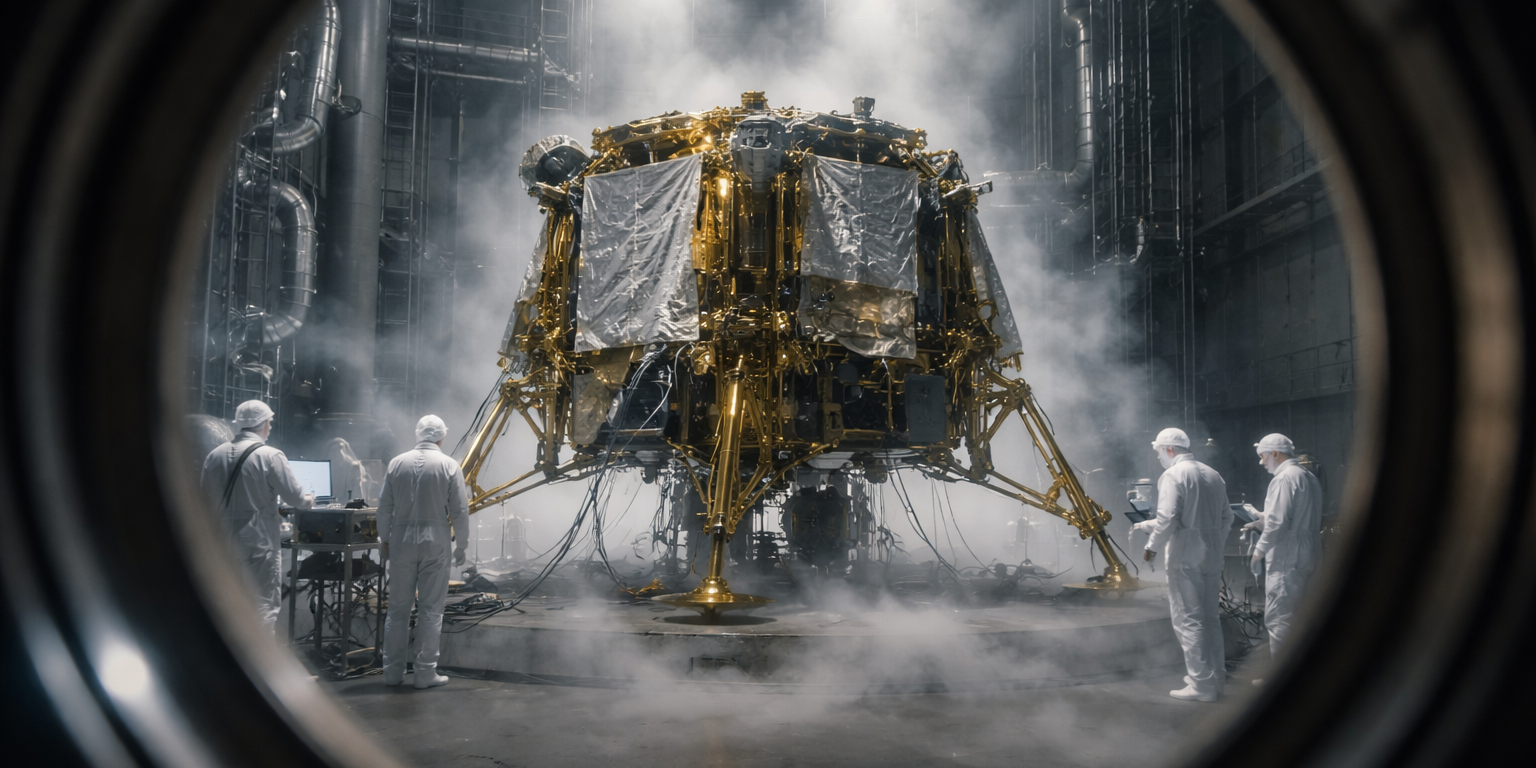
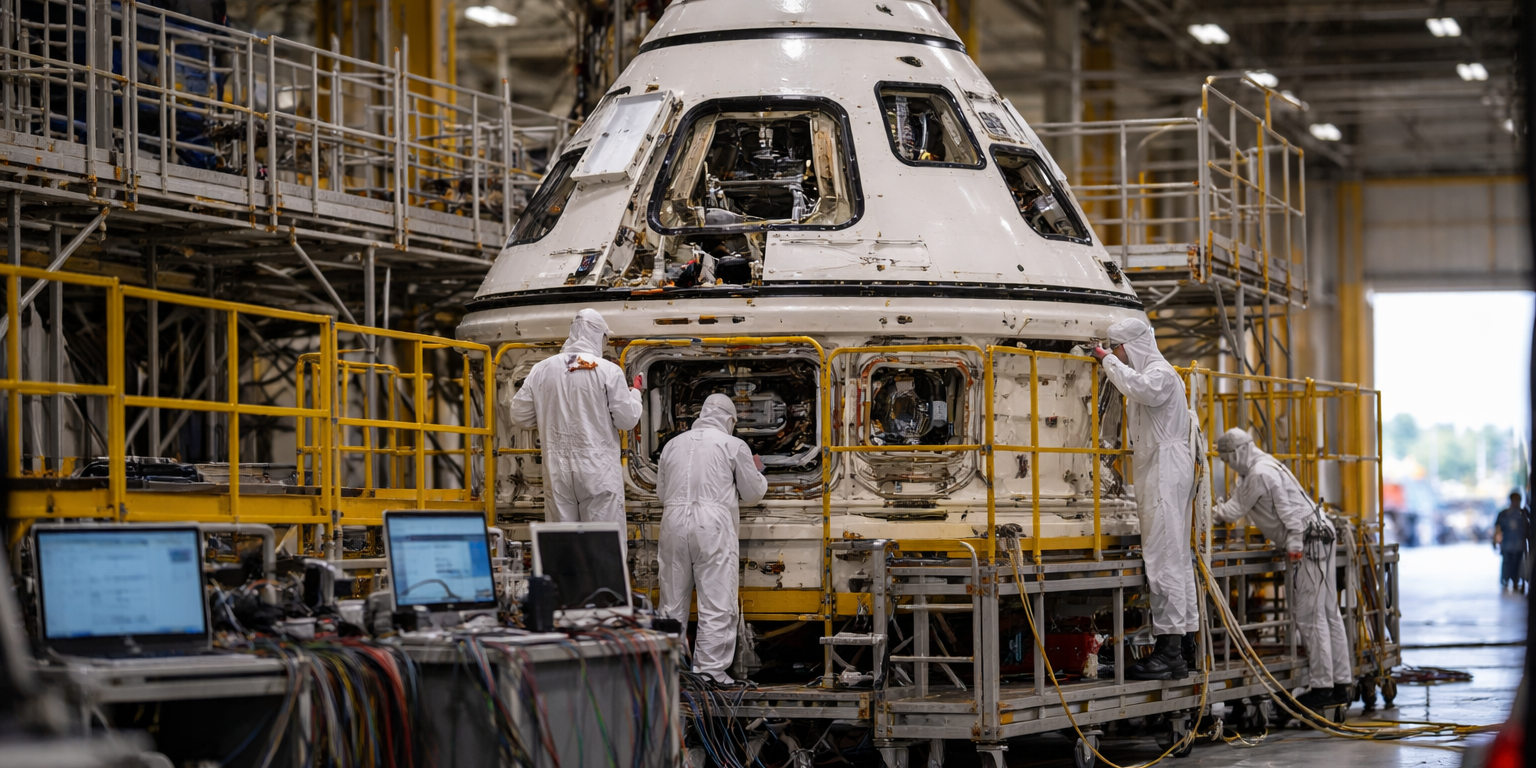
Boeing's Commercial Crew Program has absorbed roughly $1.5 billion in cost overruns since NASA awarded the fixed-price contract in 2014, a figure the company disclosed in its most recent quarterly earnings filing. The Starliner-1 mission represents the final uncrewed demonstration before NASA will clear the vehicle for astronaut transport, assuming the flight meets all technical objectives. Engineers at Kennedy Space Center have been cycling the capsule through thermal vacuum testing and running integrated simulations of abort scenarios that combine the spacecraft's propulsion system with its guidance computers. One Boeing official, speaking on background, noted that the team discovered discrepancies in how the vehicle's star trackers interface with the flight computer during certain lighting conditions in orbit. Resolving those issues required both software patches and new test protocols that extended the schedule by several months. NASA's Commercial Crew Program manager Steve Stich told reporters in March that the agency would not establish a firm launch date until Boeing closes out all open work on the spacecraft's hazard reports, a document trail that currently includes more than two hundred items ranging from minor software quirks to structural load assessments.
The spacecraft incorporates a suite of robotic systems that handle rendezvous operations without ground intervention, a capability NASA considers essential for future missions beyond low Earth orbit where communication delays make real-time piloting impossible. Starliner's Vision Navigation System uses a combination of lidar and optical cameras to calculate range and closure rates as the capsule approaches the ISS docking adapter, then hands off control to a secondary processor that manages the final meters of approach. This architecture differs from Crew Dragon's design, which relies more heavily on GPS data and ground-based tracking during approach phases. Boeing designed Starliner's system to function independently of ground infrastructure, a feature the company marketed as advantageous for lunar Gateway operations where Earth-based navigation assets provide limited coverage. That same autonomy complicates ground testing, since engineers must simulate the full range of lighting conditions, approach geometries, and potential sensor failures the vehicle might encounter without building physical replicas of the ISS docking hardware at multiple test sites. NASA's acceptance criteria require Boeing to demonstrate successful docking across thirty-two distinct scenario variations before clearing the vehicle for flight.
The extended Starliner timeline has prompted NASA to adjust its crew rotation planning for the ISS, with the agency now counting on SpaceX to handle all near-term commercial crew transport through at least mid-2027. That dependency concerns some within the agency who remember the Space Shuttle era, when the loss of Columbia grounded the entire U.S. crewed spaceflight program for two years because no backup system existed. NASA administrator Bill Nelson stated during a House subcommittee hearing in April that dual-provider access to the station remains a strategic priority, but acknowledged the agency cannot compel Boeing to launch before the spacecraft meets every certification requirement. The Starliner program also carries implications for how NASA approaches certification of robotic systems in its Artemis lunar architecture, where autonomous docking between the Orion capsule and the Gateway station will occur without real-time ground control. Engineers working on Gateway docking mechanisms have been monitoring Starliner's testing closely, looking for lessons applicable to deep space operations where communication round-trip times exceed five seconds. Any changes Boeing makes to Starliner's rendezvous sensors or flight software could influence NASA's specifications for Gateway-compatible vehicles, affecting dozens of contracts the agency plans to award through 2030 for cargo and crew transport to lunar orbit.
What to Watch: Boeing's quarterly earnings calls through the remainder of 2026 should reveal whether the company takes additional charges against the Commercial Crew contract as Starliner testing extends. NASA typically updates its launch manifest sixty days before opening a flight window, so monitoring the agency's schedule postings will signal when engineers have cleared the outstanding hazard reports. Also track statements from Axiom Space and other commercial station developers, who are evaluating whether to design their docking systems around Starliner compatibility or standardize exclusively on SpaceX hardware.