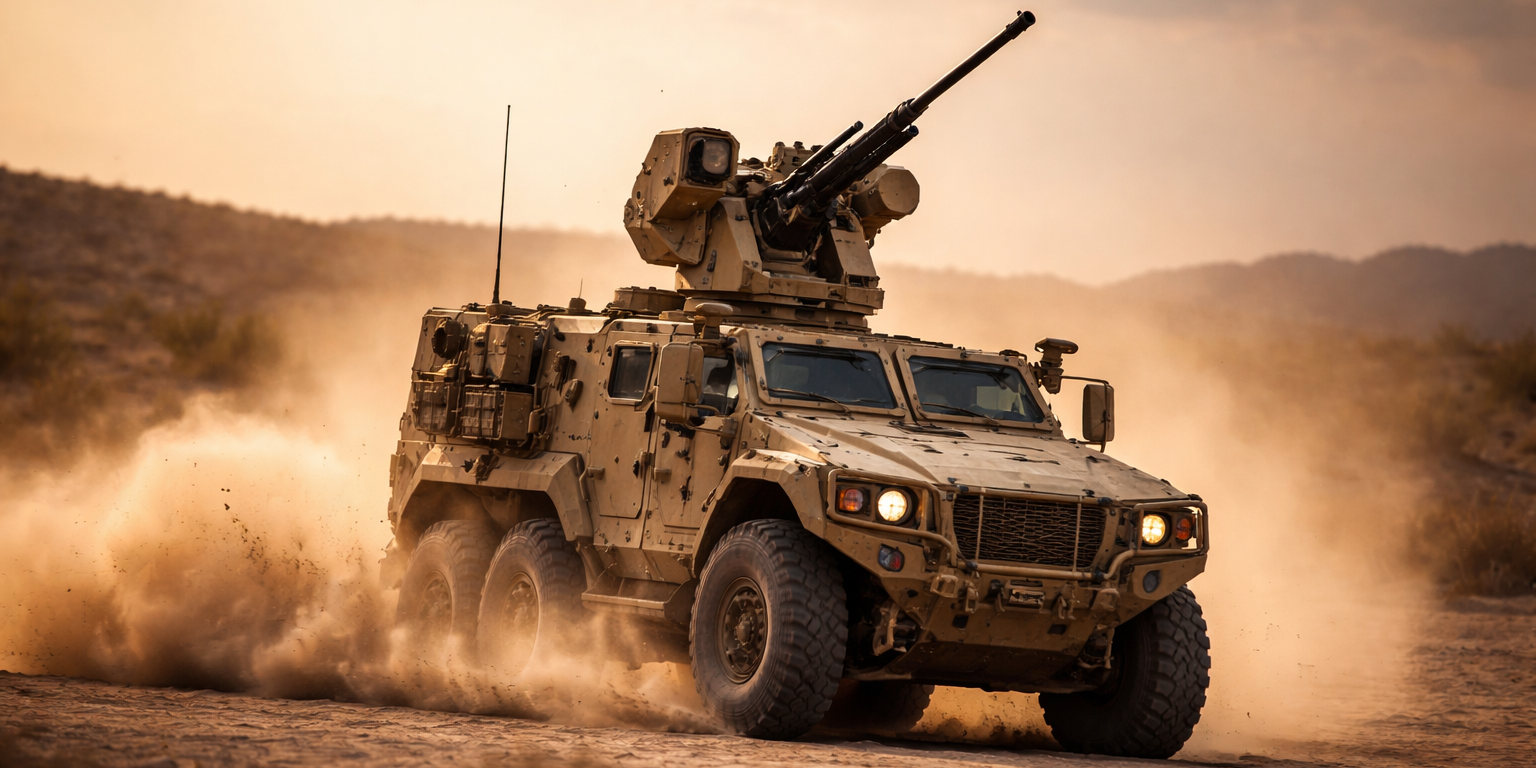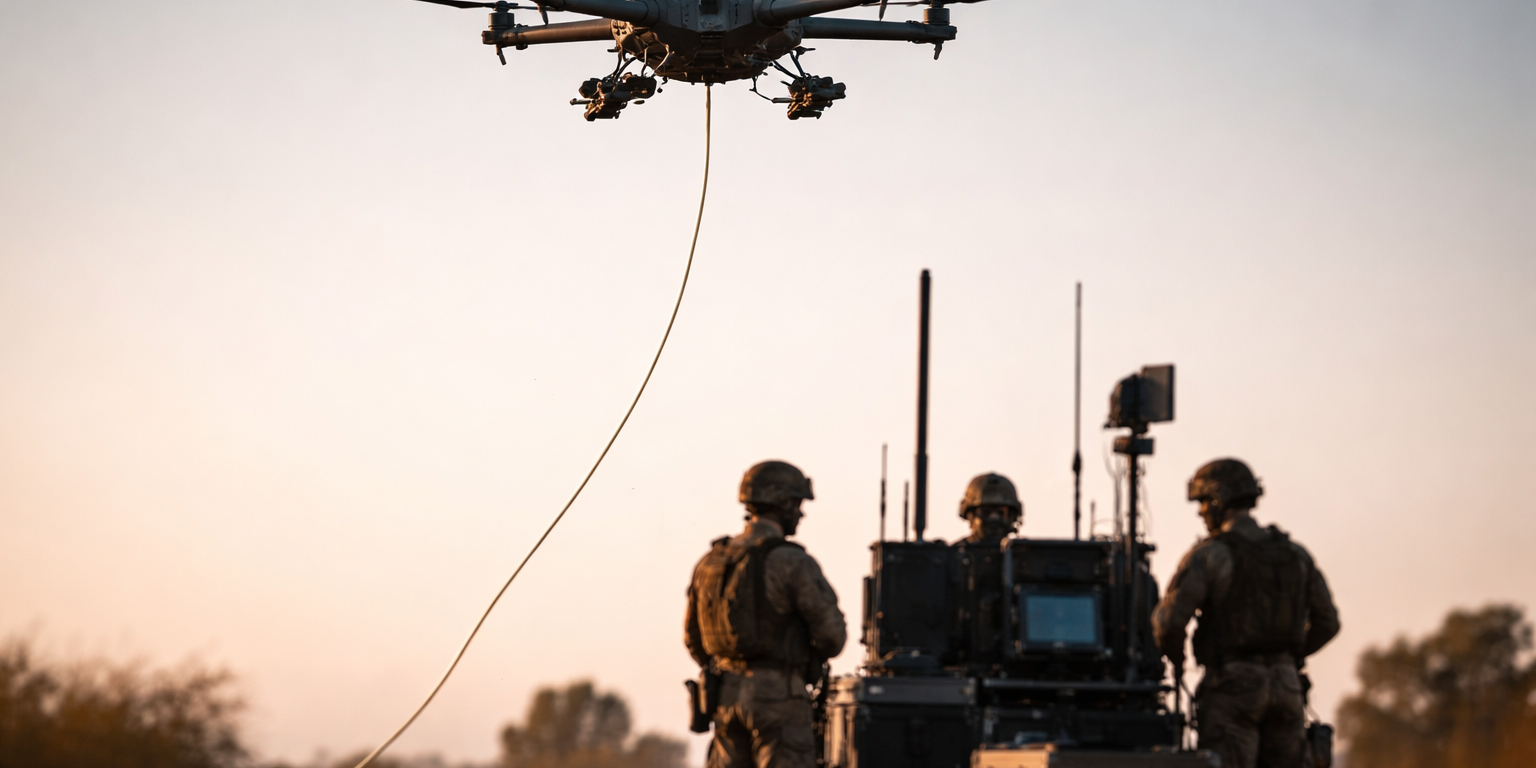
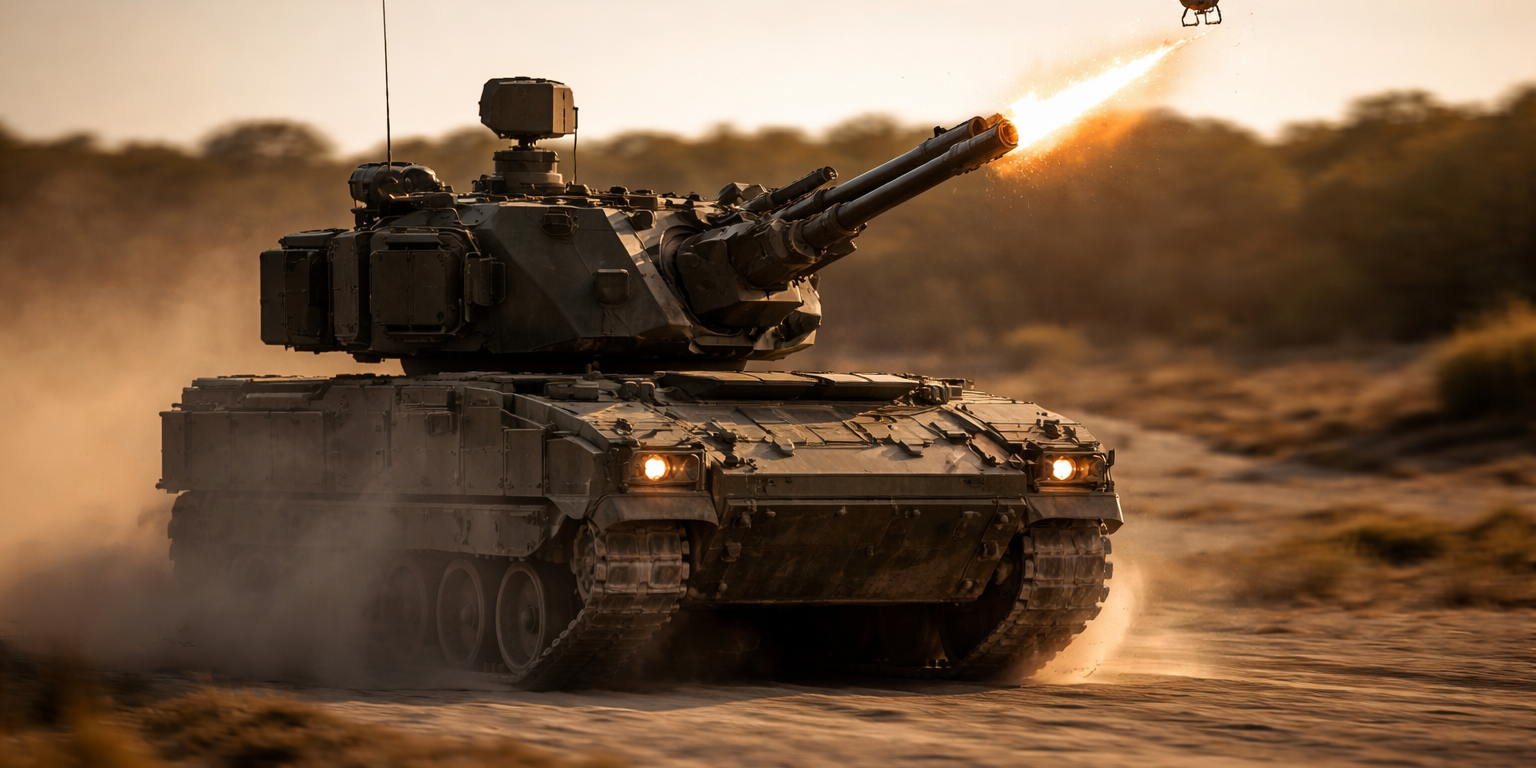
A vehicle-mounted weapon system successfully intercepted a drone in flight while the firing platform was also moving, according to Army officials who confirmed the test results in recent weeks. The engagement, conducted at an undisclosed range facility, validated fire control software designed to compensate for the complex ballistics of shooting at one moving object from another. Traditional counter-drone systems mounted on vehicles require crews to stop, stabilize, and acquire targets before firing. The new software eliminates that constraint, calculating lead angles and ballistic corrections in real time as both shooter and target maneuver.
The Army has spent three years developing the software layer, which integrates with existing vehicle weapon stations rather than requiring entirely new hardware. Program officials declined to name the specific weapon system used in the test, but confirmed the software is designed to work with multiple platforms already in the service's inventory. The breakthrough lies in sensor fusion and predictive algorithms that track drone velocity vectors while simultaneously accounting for the firing vehicle's speed, direction, and terrain-induced oscillations. Engineers working on the program told defense reporters that the software processes inputs from multiple sensors at rates exceeding 100 cycles per second, fast enough to adjust aim during the weapon's firing sequence. The system uses a combination of radar tracking data, optical sensors, and inertial measurement units mounted on both the vehicle and the weapon station itself.
Counter-drone capabilities have become an urgent priority as small unmanned aircraft proliferate in conflict zones from Ukraine to the Middle East. Current systems excel at defending fixed positions but struggle when convoys or mobile units come under attack from aerial threats. Soldiers operating vehicle-mounted guns have reported that stopping to engage drones creates vulnerability windows, exposing convoys to other threats during the stationary firing window. The Army's approach of upgrading fire control software rather than fielding entirely new weapon systems reflects budget pressures and a desire for rapid deployment. By building the capability as a software package, the service can potentially distribute it across dozens of existing vehicle types without major modifications to turrets or mounting hardware. Defense contractors involved in the program have indicated that integration timelines could be measured in months rather than years once the software completes operational testing.
The successful test comes as the Department of Defense accelerates counter-UAS investments across all service branches. The Army allocated $873 million for counter-drone programs in fiscal 2026, up from $614 million the previous year. Much of that funding targets systems capable of defeating small Group 1 and Group 2 drones, which weigh less than 55 pounds and typically fly below 3,500 feet. These systems have proven difficult to counter with traditional air defense missiles, which cost tens of thousands of dollars per shot against targets that may cost only hundreds. Kinetic solutions using conventional ammunition remain attractive from a cost-exchange perspective, but only if gunners can reliably hit fast-moving aerial targets. The Army's fire control software directly addresses that hit probability challenge. Service officials have not disclosed specific accuracy figures from the recent test, but emphasized that the system met predetermined performance thresholds against representative drone threats. The next phase of testing will evaluate the software against multiple simultaneous targets and in degraded weather conditions.
What to Watch: The Army plans additional field demonstrations before the end of fiscal 2026, with operational units expected to receive early software versions for user evaluations by early 2027. Watch for announcements identifying which specific vehicle weapon systems will receive the upgrade first, as this will signal the service's prioritization of platforms. Defense contractors with existing vehicle weapon station contracts, particularly those already supplying remote weapon systems to the Army, are positioned to integrate the software into their product lines. Monitor counter-drone effectiveness metrics from ongoing conflicts, as these will likely influence the pace of domestic procurement and software refinement priorities.