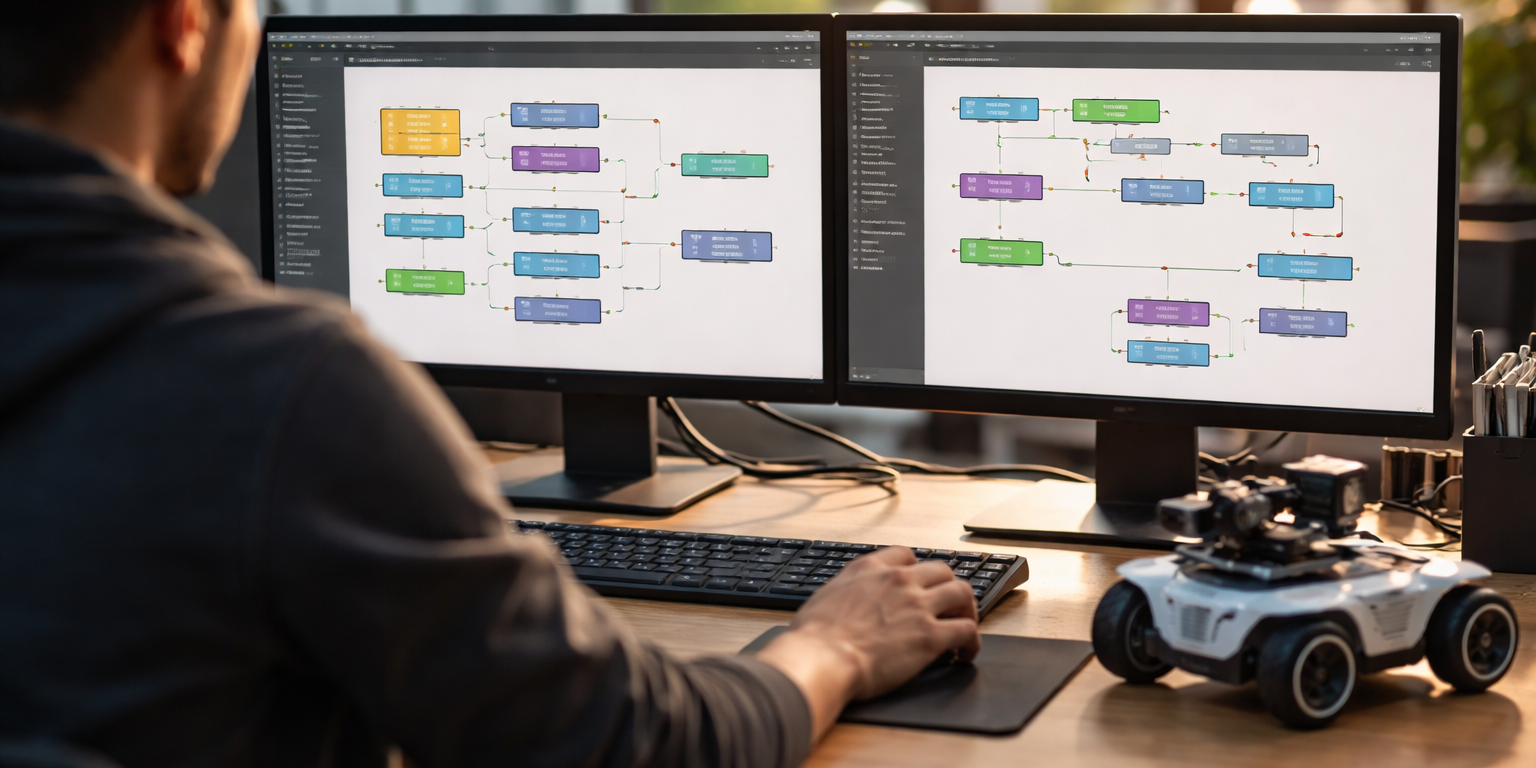
Applied Intuition has released a visual development platform that allows robotics engineers to assemble and test autonomous systems using pre-built modules rather than custom code. The announcement positions the Mountain View company, which supplies simulation and testing infrastructure to autonomous vehicle manufacturers including Hyundai, Volkswagen, and General Motors, as a provider of end-to-end robotics development tools rather than solely testing environments. The platform went live for select partners in June 2026, with general availability scheduled for the fourth quarter.
The company already provides simulation software that generated $600 million in annual recurring revenue as of early 2026, according to people familiar with its financials. That business focuses on validating self-driving systems before they reach public roads, a service that became table stakes after the 2018 Uber pedestrian fatality in Tempe. The new platform extends beyond testing into the development phase itself, offering drag-and-drop sensor fusion, path planning algorithms, and hardware integration modules that typically require months of specialist engineering work. Toyota's Woven Planet division used an early version to prototype a warehouse navigation system in eleven weeks, compared to the eight months a previous internal project required. Applied Intuition declined to name other participants in the closed beta.
Qasar Younis, the company's co-founder and chief executive, worked at Google's self-driving car project before launching Applied Intuition in 2017 with fellow Google alum Peter Ludwig. The pair watched automotive engineers spend more time building test infrastructure than improving actual driving algorithms, the same inefficiency that Stripe addressed for payments and Twilio solved for communications. Their original product automated the generation of edge-case scenarios—a pedestrian stepping between parked cars, a cyclist running a red light—that human testers might drive years to encounter organically. The new platform applies similar logic to development: standardize the repetitive work so specialists focus on novel problems. The company declined to disclose pricing, but two robotics executives familiar with pilot programs said costs run from $250,000 to over $1 million annually depending on team size and deployment scale.
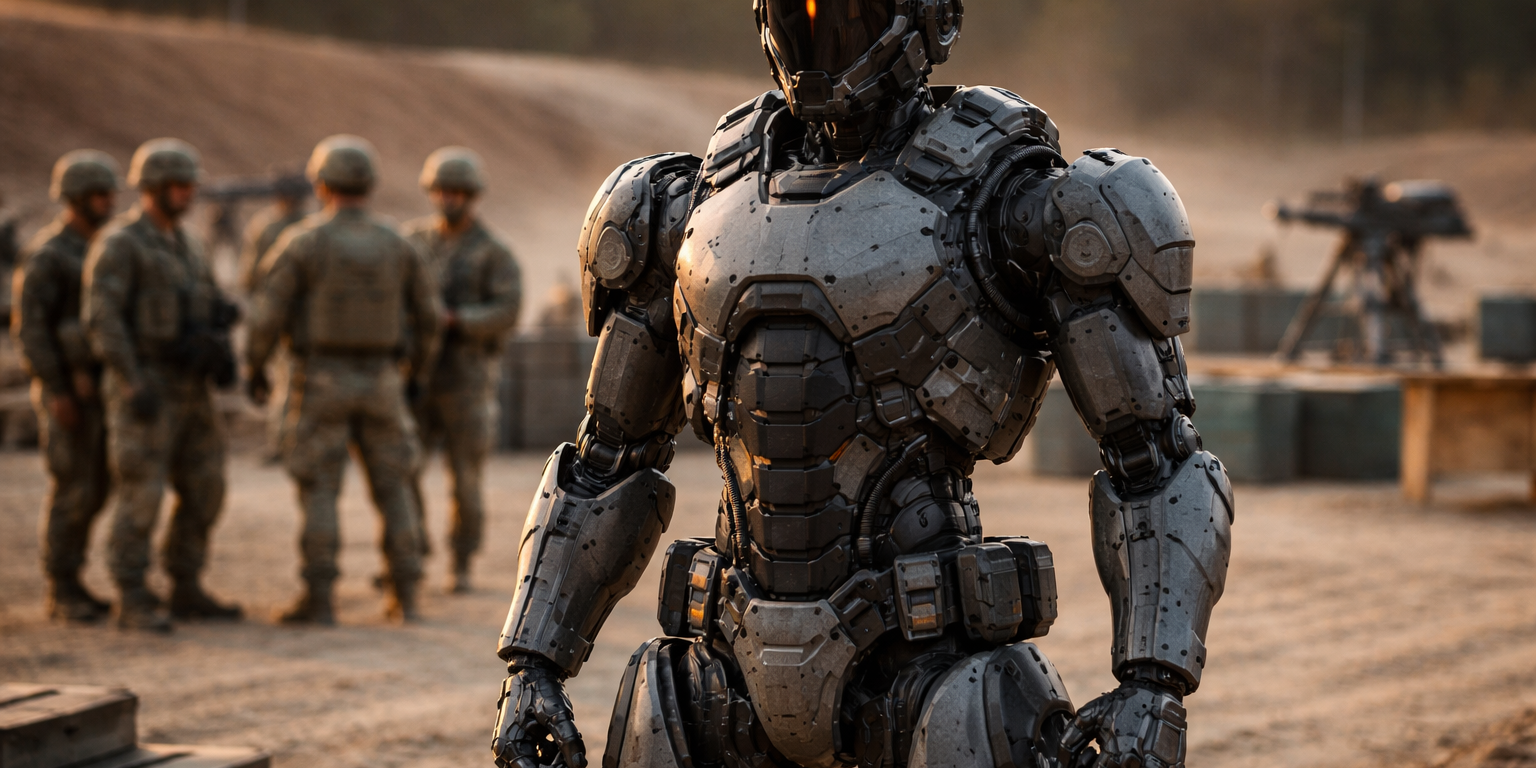
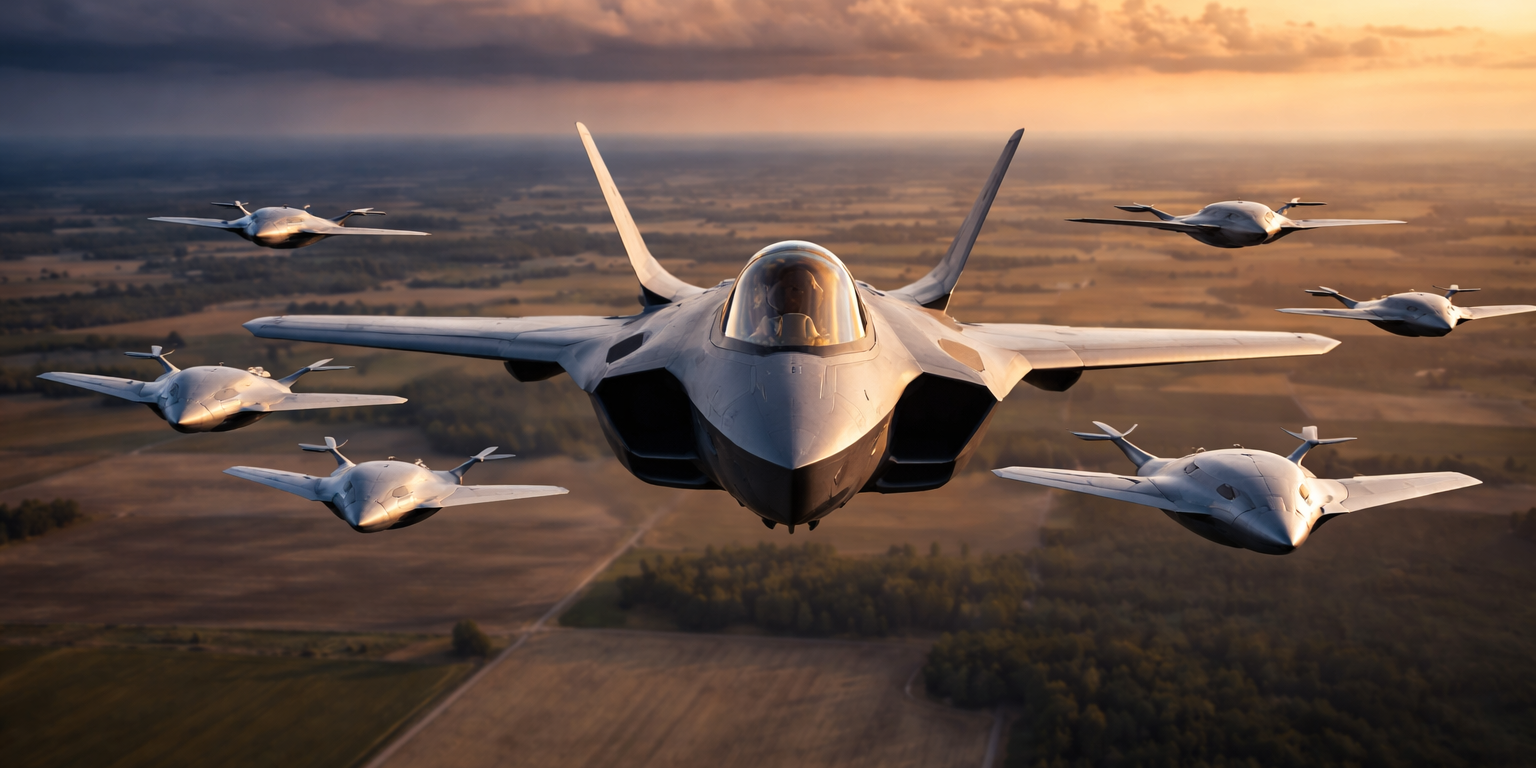
Defense contractors represent a significant early adopter group. Northrop Grumman, Anduril Industries, and Lockheed Martin all use Applied Intuition's simulation tools for autonomous aircraft and ground vehicle programs, according to federal procurement records reviewed by RoboticsIntl. The no-code platform allows these contractors to prototype variants of autonomous systems faster, a capability the Pentagon prioritized after the Replicator initiative called for fielding thousands of autonomous platforms by late 2026. One defense industry engineer, who requested anonymity because contract terms prohibit public discussion, said his team used the platform to test different sensor arrays on an unmanned ground vehicle in a matter of weeks, work that previously required standing up new simulation environments for each configuration. The mining sector shows similar interest: Rio Tinto and BHP already run Applied Intuition simulation software for their autonomous haul truck fleets in Western Australia, which operate around 400 driverless trucks carrying iron ore across the Pilbara region. Expanding beyond testing into development could let these operators customize autonomy software for specific mine sites without hiring additional machine learning specialists, a scarce talent pool even in tech hubs.
The platform arrives as robotics development increasingly resembles software engineering rather than mechanical design. Boston Dynamics, which Hyundai acquired for $1.1 billion in 2021, opened its Spot robot to third-party developers in 2023 and now hosts more than 3,000 custom applications for inspection, security, and research uses. Figure AI, the humanoid robot startup that raised $675 million in February 2024, uses OpenAI's multimodal models to generate robot behaviors from natural language descriptions. Applied Intuition's bet assumes the next wave of robotics companies will care more about deploying applications than building core autonomy stacks from scratch. Whether that proves true depends partly on how well the standardized modules handle edge cases—the unexpected scenarios that define robotics difficulty. A forklift trained in a tidy warehouse behaves differently in a cluttered retail stockroom, and no amount of visual programming replaces the judgment required to handle novel failures. The company has embedded escape hatches throughout the platform where developers can drop into code when necessary, a design choice that acknowledges the limits of abstraction. Still, collapsing even half the development timeline creates meaningful competitive advantage in industries where prototype-to-production cycles stretch across multiple years.
What to Watch: Applied Intuition plans to announce additional defense and industrial partners before the Association for Unmanned Vehicle Systems International conference in Washington this August. Watch whether any of the major agricultural equipment manufacturers—John Deere, CNH Industrial, AGCO—adopt the platform for their autonomous tractor programs, which have lagged automotive autonomy despite operating in more controlled environments. The company's partnership pipeline for humanoid robotics will signal whether it can extend beyond wheeled vehicles into bipedal and manipulator systems, a category that Figure AI, Tesla's Optimus team, and Sanctuary AI are racing to commercialize. Finally, track any announcement from Applied Intuition regarding a marketplace for third-party modules, which would transform the platform from proprietary tool into ecosystem.