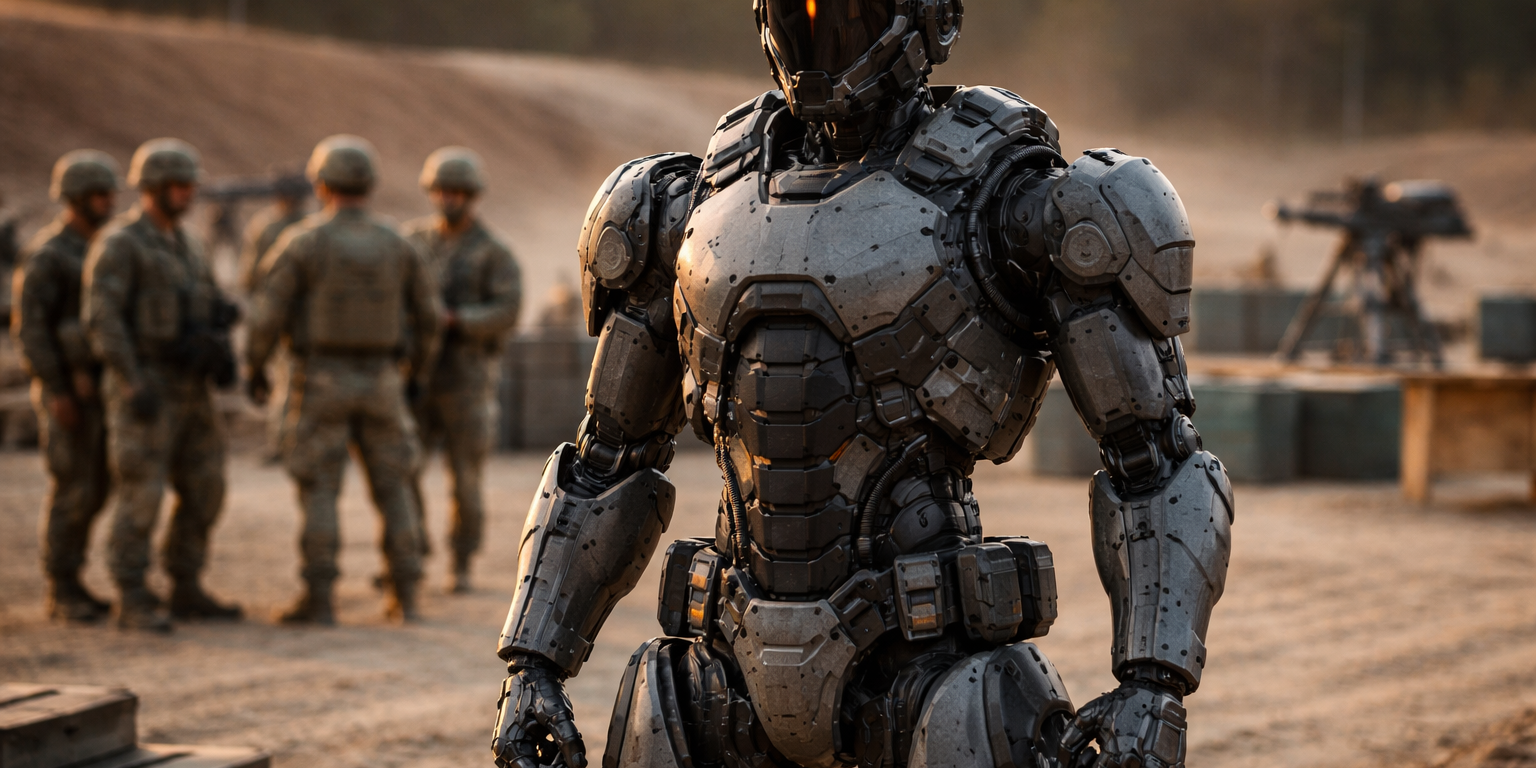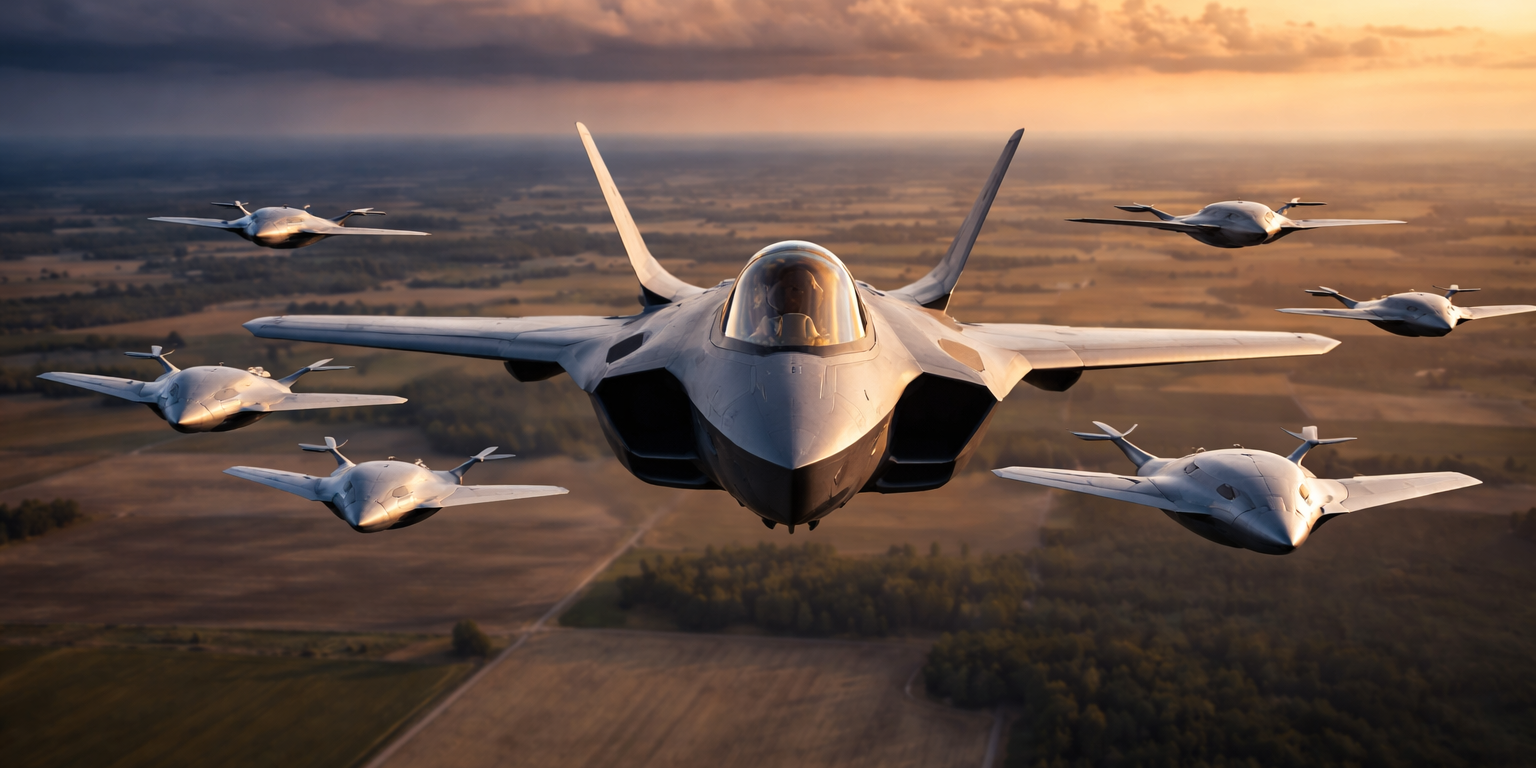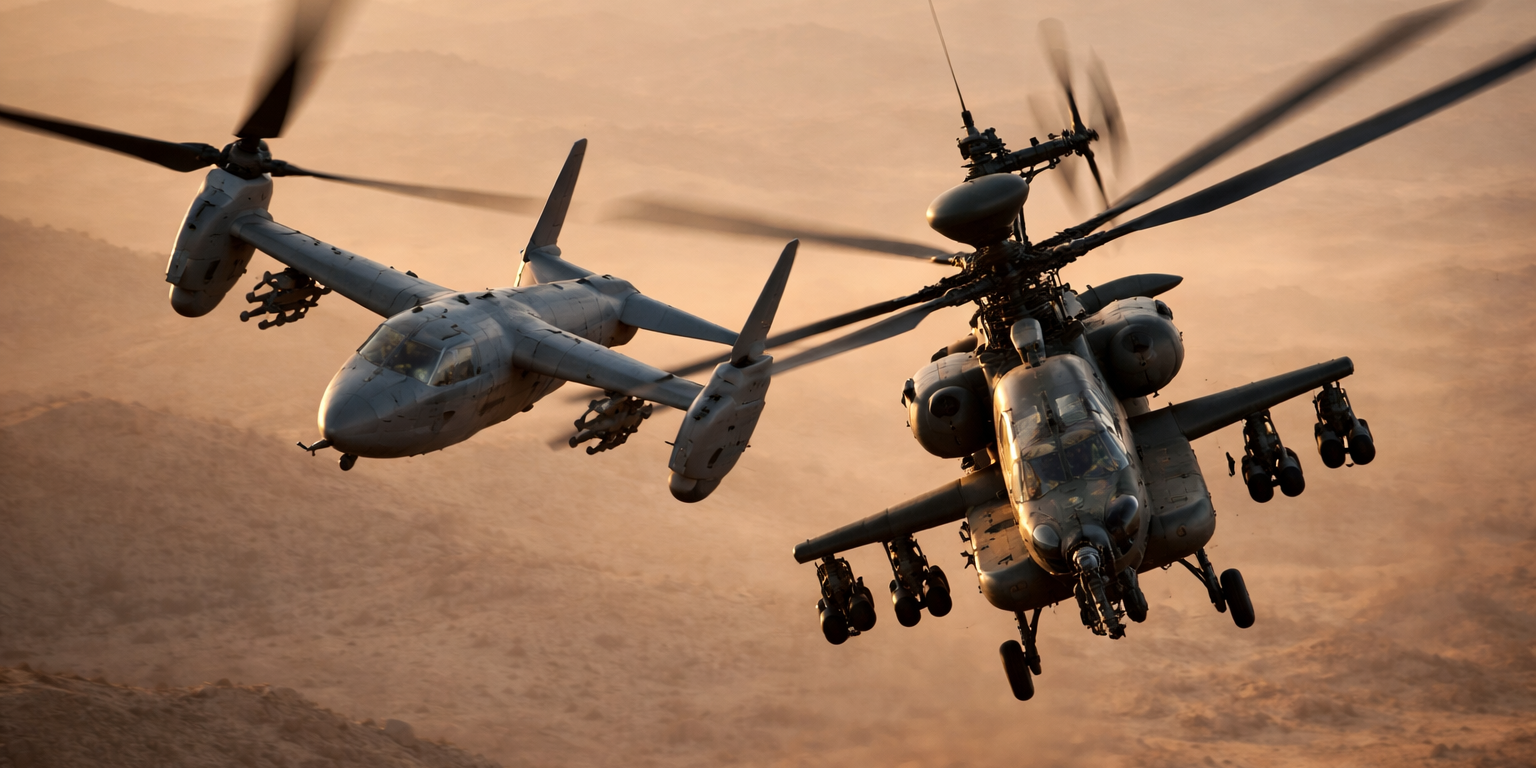
Anduril Industries disclosed Thunder, a tiltrotor unmanned aircraft engineered to operate as an autonomous wingman for attack helicopters during close air support and reconnaissance missions. The platform emerged from the company's Fury development program, adapting lessons from that fixed-wing collaborative combat aircraft into a vertical-takeoff configuration suited to helicopter operations. Thunder carries weapons and sensor payloads while executing fully autonomous flight profiles coordinated with manned rotorcraft crews.
The disclosure arrives as the U.S. Army and allied services push to field manned-unmanned teaming capabilities across rotary-wing fleets. Apache and Black Hawk modernization roadmaps already include provisions for controlling unmanned systems from cockpits, but most existing compatible drones lack the payload capacity, speed matching, or autonomy depth that Thunder promises. Anduril designed the aircraft to keep pace with helicopters across diverse flight regimes—hovering during insertions, transitioning to forward flight for transit, and loitering above contested areas while crews maneuver below. The tiltrotor configuration solves a persistent problem: fixed-wing drones struggle with the low-speed, high-maneuverability profiles that define rotary missions, while traditional quadcopters lack endurance and speed. Thunder's tilt-rotor design bridges that gap, matching helicopter performance envelopes without requiring runway infrastructure.
Anduril describes Thunder as a direct evolution of Fury, the autonomous fighter jet surrogate the company has been testing since early in the decade. Fury demonstrated autonomous air combat maneuvering, sensor fusion across multiple aircraft, and real-time retasking based on battlefield developments. Thunder inherits that software stack—Anduril's Lattice operating system—which handles sensor processing, flight control, and collaborative decision-making without requiring constant human input. The company expects Thunder crews to define mission parameters and rules of engagement before launch, then allow the aircraft to execute autonomously while transmitting situational awareness data back to manned platforms. That model aligns with how the Air Force envisions using Fury alongside F-35s and F-15EXs: human pilots set objectives, autonomous aircraft handle execution within defined boundaries. Thunder scales that concept to the tactical edge where helicopters operate, often beyond reliable communication links and under compressed timelines. The tiltrotor's autonomy becomes essential in those conditions, where latency or lost links could render a remotely piloted drone useless.
The armed reconnaissance role positions Thunder as both a sensor extender and a weapons multiplier. Helicopter crews could deploy Thunder ahead of their own flight path to investigate potential threats, map terrain, or identify targets without exposing manned aircraft to ground fire. If hostile forces engage, Thunder carries munitions to respond immediately rather than waiting for the helicopter to close distance. That capability matters particularly in contested environments where air defense systems force helicopters to operate at standoff ranges or use terrain masking. Thunder can venture into higher-risk areas, absorb defensive fire if necessary, and relay targeting data even if it takes damage. The calculus shifts when an attritable unmanned platform takes the first shot instead of a crew-carrying Apache. Anduril has not specified Thunder's weapons payload, but the armed reconnaissance designation suggests compatibility with precision-guided munitions sized for tactical targets—likely Hellfire-class missiles, guided rockets, or small-diameter bombs. The tiltrotor's lift capacity and electrical power generation would also support electronic warfare pods or communications relay packages, extending the helicopter's sensor and network reach beyond line-of-sight.
Anduril's move into vertical-takeoff autonomous combat aircraft expands the company's defense portfolio beyond its established fixed-wing and ground systems. The firm already supplies Altius reconnaissance drones, Ghost surveillance quadcopters, and Fury itself to military customers. Thunder adds a capability none of those platforms provide: operating organically with helicopter units in denied environments. That positions Anduril to compete for Army programs like Future Vertical Lift's manned-unmanned teaming requirements and Marine Corps initiatives to pair autonomous aircraft with AH-1Z Vipers and CH-53K heavy lifters. International customers operating American-made helicopters represent another potential market, particularly nations facing peer threats where manned aircraft survivability drives procurement decisions. Australia, Japan, and European NATO members all fly Apache variants and have expressed interest in loyal wingman concepts. Thunder's tiltrotor architecture also differentiates it from competing unmanned systems that rely on conventional helicopter or fixed-wing designs. Boeing's MQ-25, for example, is a carrier-based tanker with limited relevance to close air support. Northrop Grumman and other primes have demonstrated various rotary drones, but few match the performance envelope Thunder targets.
What to Watch: Monitor whether Anduril announces flight testing timelines or government customer engagements for Thunder in the coming quarter. Watch for Army reactions at AUSA 2026 in October, where rotary aviation and modernization officials typically preview manned-unmanned teaming progress. Track whether Thunder participates in Project Convergence 2027, the Army's annual autonomy demonstration, as a validation milestone. Pay attention to any disclosures about Thunder's weapons integration or interoperability standards with existing helicopter mission systems.