Autonomous tractors, robotic harvesters, and AI-powered crop monitoring systems are no longer experimental footnotes in agriculture—they represent the fastest-growing segment of field equipment sales, with autonomous machinery accounting for 18 percent of new tractor purchases in the Midwest corn belt during the 2026 planting season. What began as isolated pilot projects from individual manufacturers has evolved into a broader industry reckoning: farmers managing thousand-acre operations cannot afford to run incompatible fleets, and the economics of precision agriculture depend on systems that talk to each other. Equipment makers who spent the past decade building walled gardens are now racing to demonstrate interoperability, a transformation forcing robotics companies to reconsider whether their competitive advantage lies in proprietary control algorithms or in data integration layers that sit above the hardware. The shift is visible in procurement patterns, where growers increasingly specify compatibility requirements in RFPs rather than accepting vendor lock-in as inevitable.
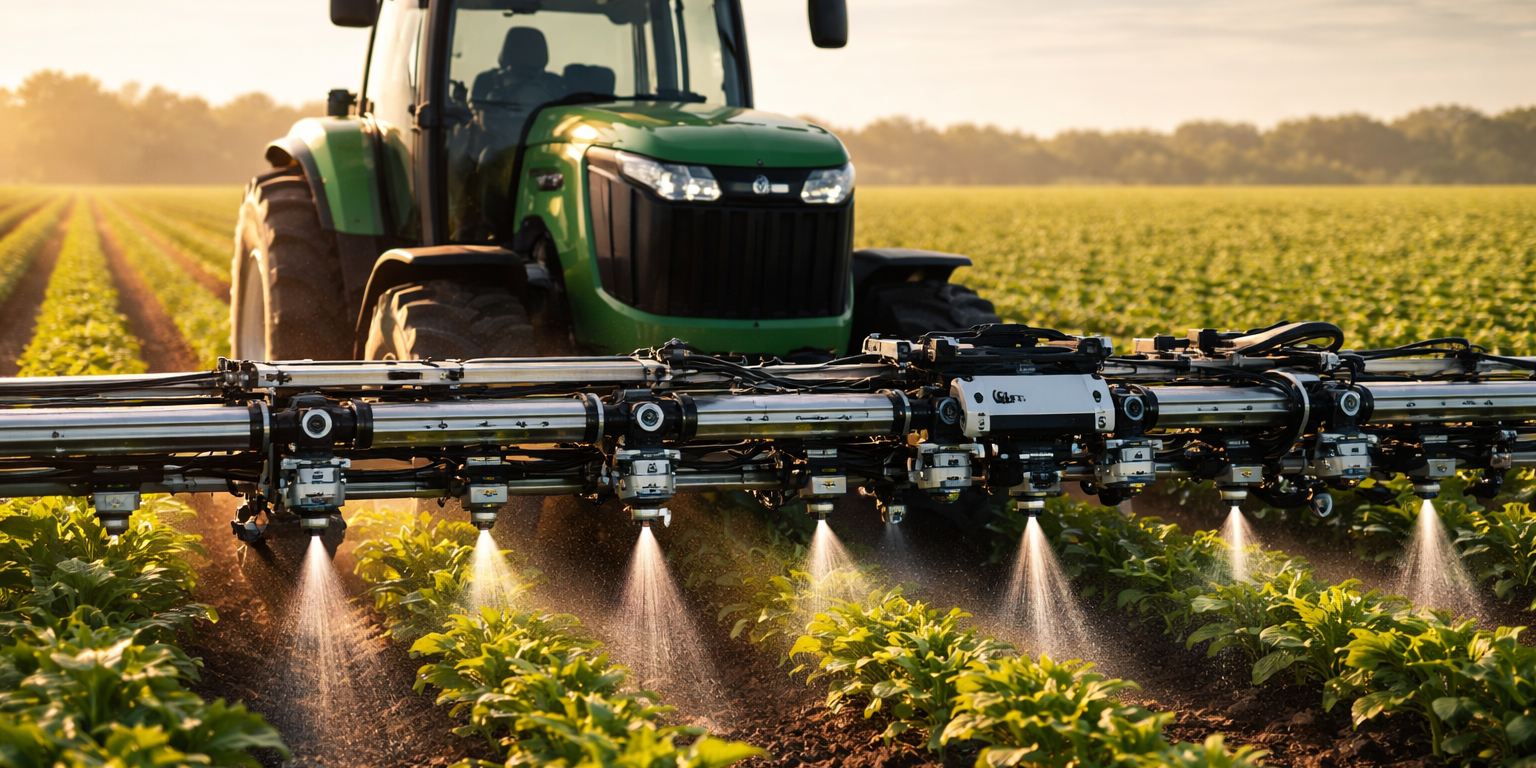
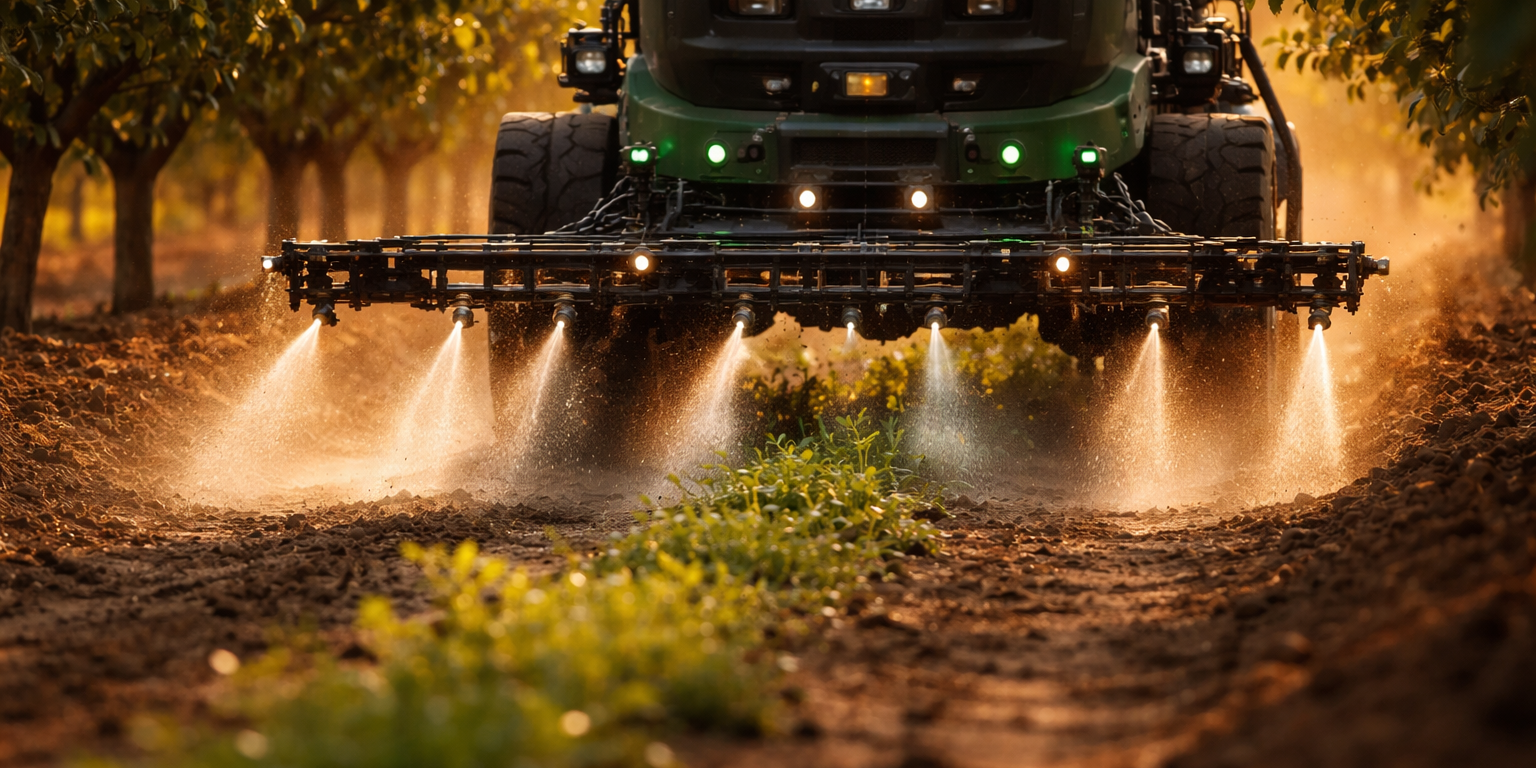
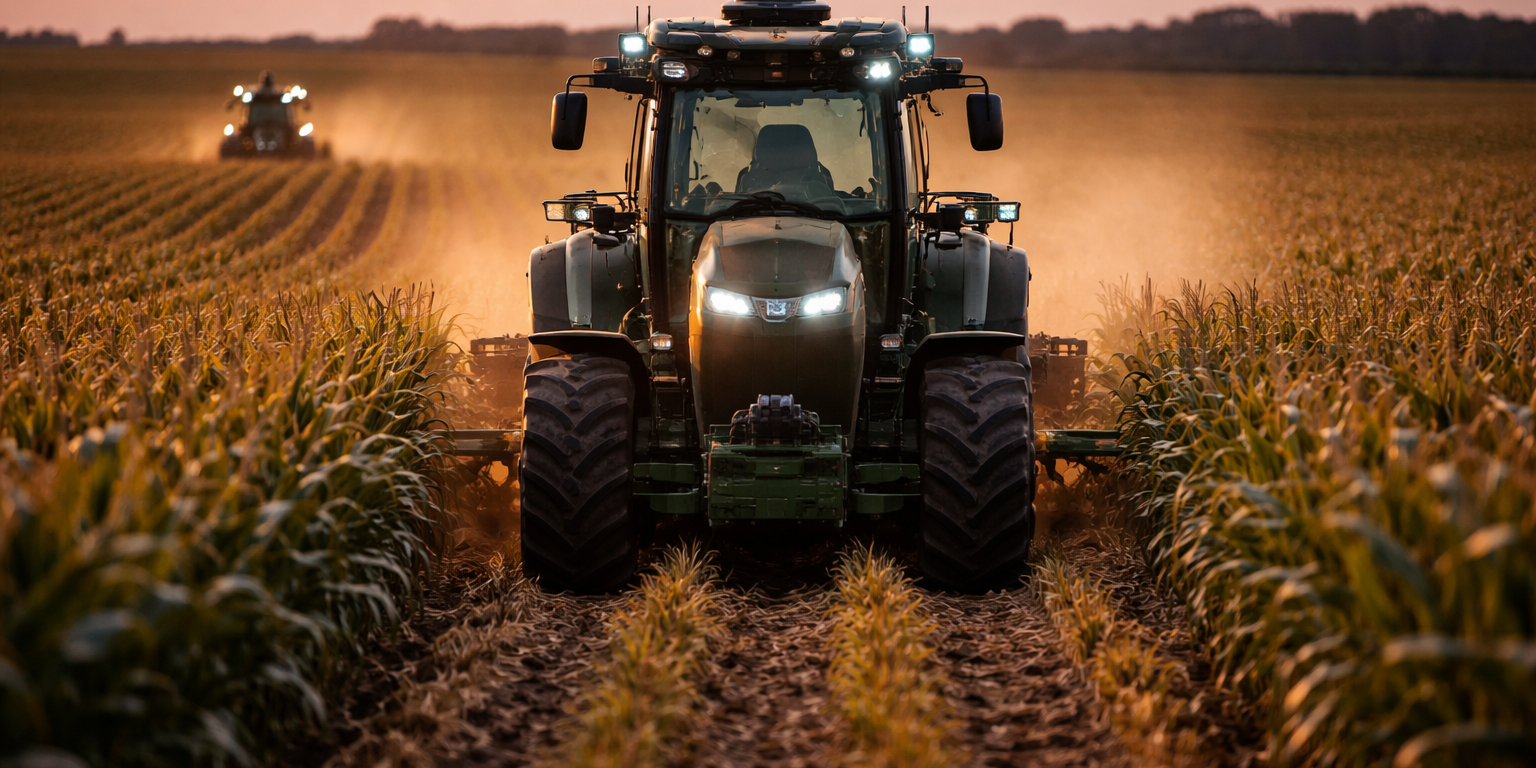
The technical architecture underpinning this wave centers on combining computer vision, GPS-guided navigation, and machine learning models that adapt to field conditions in real time. Autonomous tractors equipped with stereo cameras and LIDAR arrays can now identify crop rows, detect obstacles, and adjust implement depth without human intervention, operating continuously through night shifts that would be impractical for crewed machines. Smart harvesting systems use neural networks trained on millions of images to distinguish ripe produce from underripe fruit, reducing waste percentages that have historically run as high as 30 percent in manual operations. Precision engineering allows these machines to pick delicate crops like strawberries or tomatoes without bruising, a capability that eluded earlier generations of agricultural robots hampered by rigid grippers and binary decision trees. The performance gains are measurable: yield improvements of 12 to 15 percent are now routine on farms that have deployed full autonomous workflows, with labor cost reductions approaching 40 percent in high-value crops where seasonal worker shortages have become chronic.
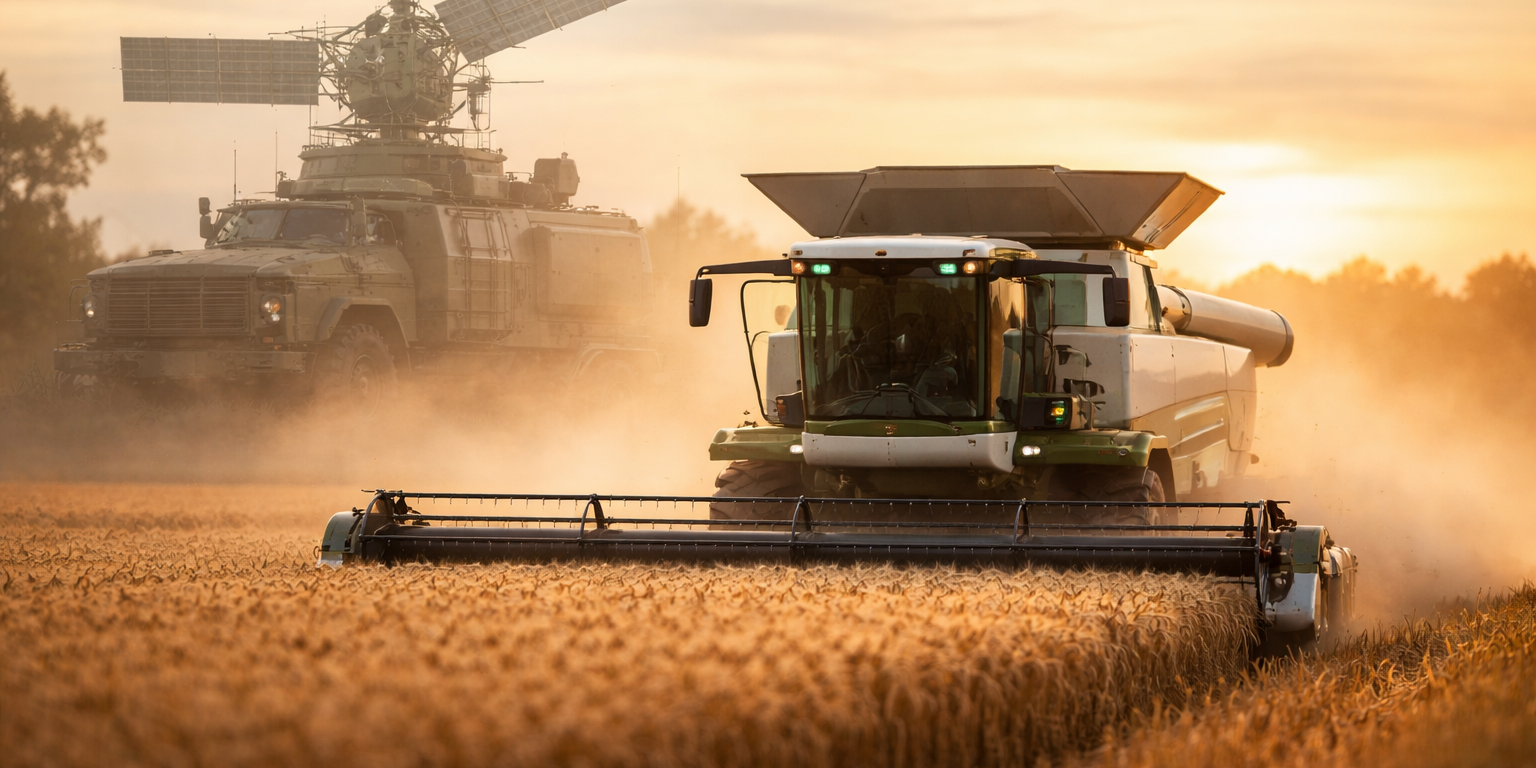
Deployment patterns reveal where the technology has crossed from proof-of-concept to operational reality. Large-scale grain operations in Iowa and Illinois have been early adopters, where flat topography and monoculture planting reduce the navigation complexity autonomous systems must handle. Specialty crop growers in California's Central Valley are deploying robotic harvesters for lettuce and broccoli, crops that require precise cutting and gentle handling. European farms, operating under tighter labor regulations and higher wage structures, are moving faster toward full automation than their American counterparts in some segments, particularly in the Netherlands where greenhouse robotics have become standard infrastructure. The common thread across geographies is scale: farms running more than 500 acres find the capital expenditure pencils out within three to four growing seasons, while smaller operations struggle to justify the upfront costs unless they lease equipment or participate in cooperative ownership models. Financing structures are adapting, with equipment manufacturers offering performance-based contracts that tie payments to verified yield improvements rather than fixed purchase prices.
The ripple effects extend beyond the farms themselves into the broader robotics supply chain. Sensor manufacturers are seeing sustained demand for ruggedized components that can withstand dust, moisture, and vibration levels that would destroy consumer-grade hardware within weeks. Software companies specializing in edge AI are building partnerships with equipment makers, recognizing that latency-sensitive crop decisions cannot tolerate round-trip communication to cloud servers. The talent war for robotics engineers with agricultural domain knowledge has intensified, with salaries for senior autonomy developers at ag-tech firms now matching compensation at automotive companies. Universities with strong agricultural engineering programs are expanding robotics curricula, attempting to produce graduates who understand both control systems and agronomic principles. Investment patterns reflect the sector's maturation: venture funding for agricultural robotics reached $2.8 billion in 2026, but the deal sizes have grown larger and later-stage, signaling a move from speculative bets on unproven concepts to growth capital for companies with established customer bases and revenue momentum.
What to Watch: Monitor whether John Deere and CNH Industrial announce compatibility agreements for their respective autonomous platforms before the 2027 planting season, a development that would signal standardization has reached critical mass. Track robotic harvester deployments in Florida citrus groves, where hurricane-related labor disruptions have created urgent demand for autonomous solutions capable of operating in irregular terrain. Watch for regulatory movement at the USDA around safety certifications for uncrewed agricultural equipment, particularly concerning nighttime operations on roads adjacent to public highways.