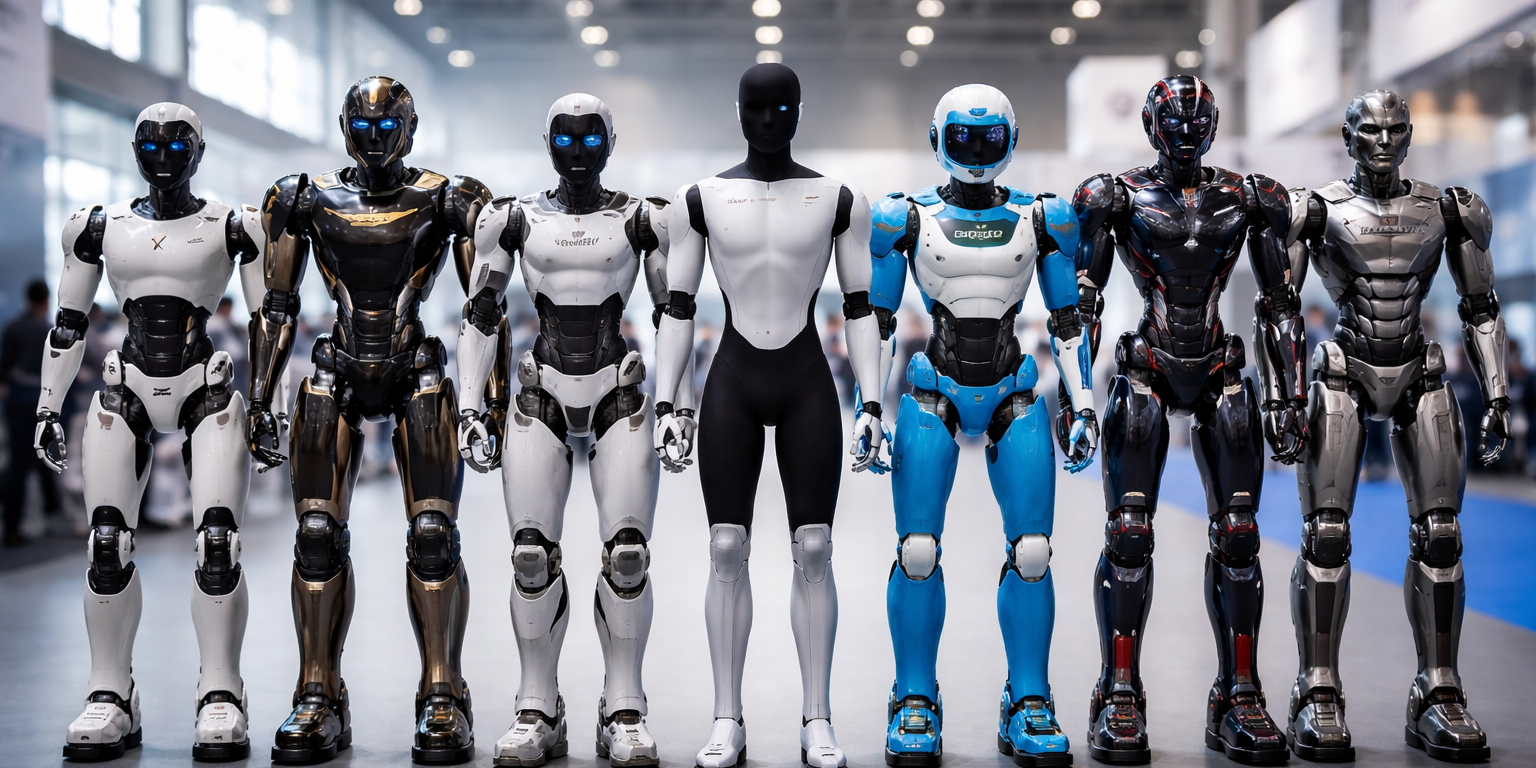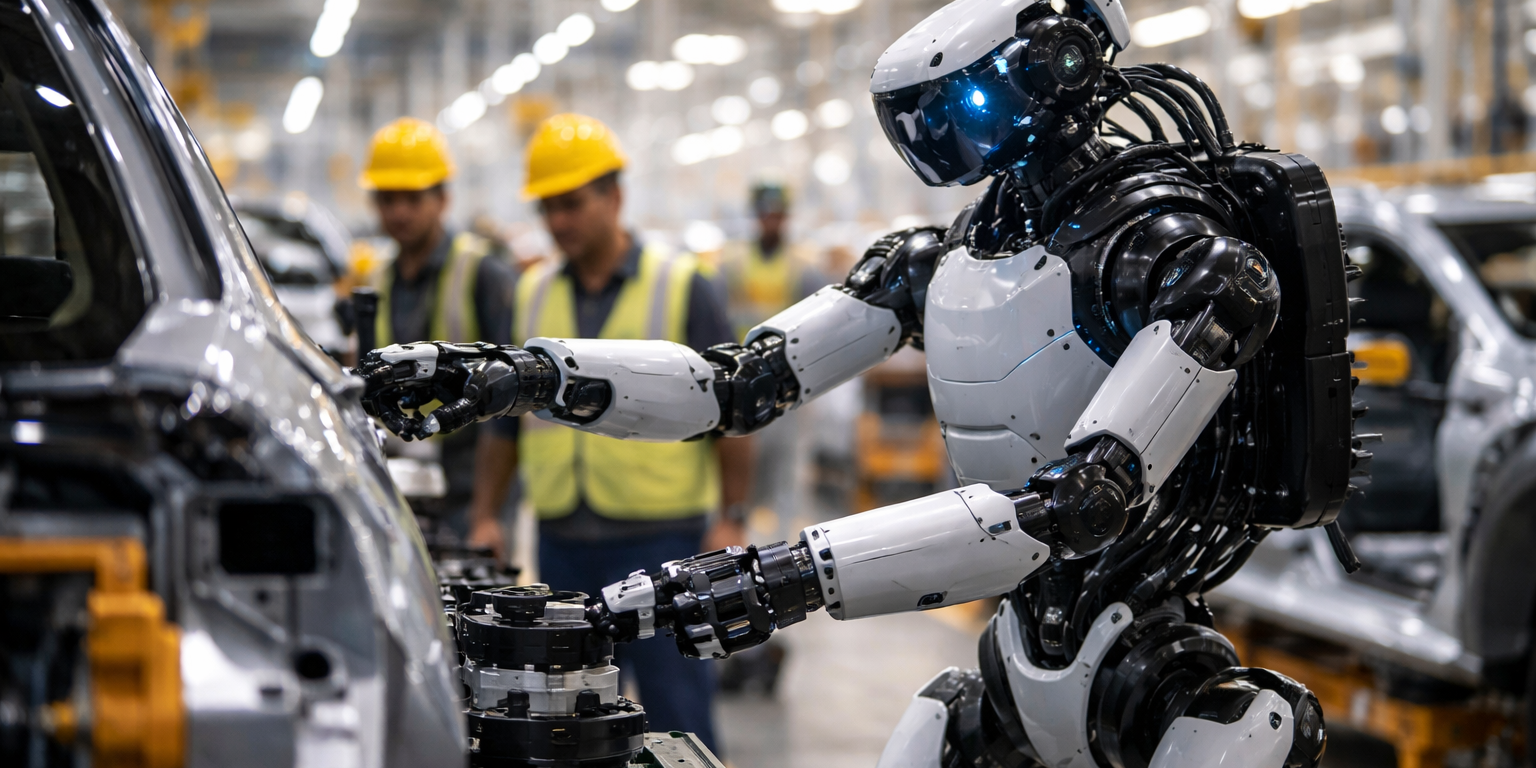

Five thousand Chinese consumers have committed money to purchase a full-size humanoid robot designed to live in their homes, a sales figure UBTECH Robotics recorded in just fourteen days following the launch of pre-orders for its U1 companion model. The pace of adoption represents a sharp departure from the incremental commercial deployments that have characterized the humanoid robotics sector over the past eighteen months, where most manufacturers have focused on industrial pilots rather than direct-to-consumer sales. UBTECH's gamble on emotional AI as a product category appears to be finding traction in a market segment most Western robotics executives have dismissed as years away from viability.
The U1 stands as UBTECH's first attempt to commercialize a consumer-facing humanoid platform beyond educational and demonstration units. Unlike the company's Walker series, which targeted enterprise applications and research institutions, the U1 positions itself explicitly as a companion device with conversational AI capabilities, emotional recognition software, and household assistance functions. UBTECH has not disclosed the retail price publicly, though industry sources familiar with the pre-order campaign suggest the unit carries a price point between 50,000 and 80,000 yuan, positioning it below luxury electric vehicles but well above typical consumer electronics. The company's willingness to pursue volume sales at this price tier signals confidence that Chinese consumers view humanoid robots as status purchases rather than utilitarian appliances.
UBTECH operates from a fundamentally different competitive position than most humanoid manufacturers. The company went public on the Hong Kong Stock Exchange in late 2023 and has cultivated relationships with municipal governments across China, deploying service robots in airports, museums, and government offices. That enterprise foundation provides both cash flow and real-world deployment data that inform consumer product development. The U1's emotional AI architecture builds on data collected from more than 12,000 Walker robots operating in public spaces, giving UBTECH a training advantage over startups developing companion robots from scratch. The pre-order velocity suggests this institutional knowledge translates into a product Chinese consumers perceive as credible rather than experimental.
The broader implications center on market timing and consumer psychology. Western robotics firms including Figure, Apptronik, and Sanctuary AI have concentrated development efforts on industrial use cases, arguing that factories provide controlled environments where humanoids can prove reliability before entering homes. UBTECH's consumer-first strategy inverts that logic, betting that emotional connection and social utility will drive adoption even if the robots lack the precision manipulation required for manufacturing tasks. If the U1 delivers on its promised functionality and those 5,000 pre-orders convert to satisfied customers generating positive word-of-mouth, the Chinese market could leapfrog Western markets in household robot penetration within the next twenty-four months. That would represent a strategic miscalculation by US and European manufacturers who have deliberately avoided consumer applications to focus on commercial accounts.
The velocity of UBTECH's pre-orders also raises questions about regulatory frameworks and consumer protection standards. Chinese authorities have not yet established comprehensive safety or privacy regulations specific to household humanoid robots, particularly those equipped with always-on cameras and microphones for emotional recognition features. The U1's deployment at scale will effectively serve as a regulatory stress test, likely prompting Beijing to formalize standards that could then influence international norms. For robotics engineers watching this development, the key technical question remains whether UBTECH's emotional AI delivers genuine utility or whether early adopters are purchasing aspirational technology that underperforms in daily use. The next six months will determine whether companion robots represent a genuine product category or an expensive curiosity.
What to Watch: Monitor UBTECH's fulfillment timeline for those 5,000 pre-orders, which will reveal whether the company can manufacture companion robots at consumer electronics scale or faces production bottlenecks. Track whether competitors including Fourier Intelligence or EX Robots announce similar consumer-focused humanoid launches before year-end. Watch for Beijing's Ministry of Industry and Information Technology to issue guidance on household robot safety standards, likely triggered by U1 deployments reaching critical mass in Q3 2026.