Four billion transactions have passed through SVT Robotics' SOFTBOT Platform, the Norfolk, Virginia-based company disclosed this week. The milestone offers a rare quantitative glimpse into the middleware layer connecting warehouse robots to enterprise software systems—a segment of the logistics technology stack that handles authentication, task routing, and error resolution millions of times per day but rarely surfaces in public reporting. For companies building AI models to optimize fulfillment operations, the transaction volume represents the scale of high-fidelity operational data required to train systems that can predict bottlenecks, allocate mobile robots dynamically, and reduce downtime in facilities running mixed fleets from multiple vendors.
SVT Robotics launched SOFTBOT in 2018 as an integration platform designed to eliminate custom API work between warehouse execution systems and autonomous mobile robots, automated storage and retrieval systems, and picking technologies. The company positions the software as vendor-agnostic middleware, supporting more than 200 robot and software platforms through pre-built connectors. Transaction volume has accelerated markedly since 2024, when the platform was processing roughly 1.5 billion transactions annually, according to company data. The jump to 4 billion total transactions reflects both new customer deployments and increasing transaction density per site as facilities add more robots and automation technologies that require coordination. A. K. Schultz, founder and CEO of SVT Robotics, noted that the data flowing through SOFTBOT provides visibility into robot performance, task completion rates, and system failures across different hardware platforms—variables that matter when training AI to make real-time decisions about robot dispatch and task prioritization in facilities handling tens of thousands of SKUs.
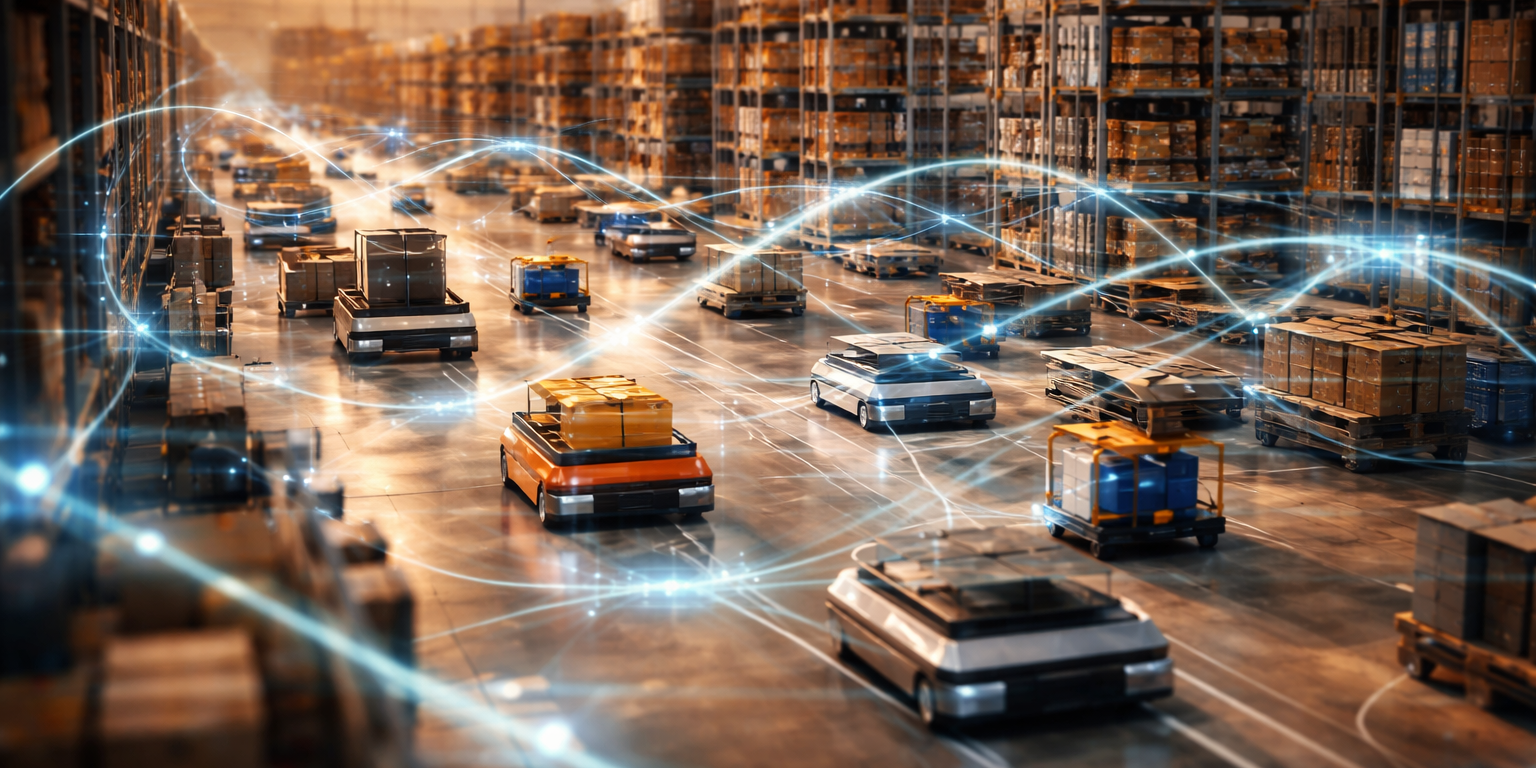
The transaction milestone arrives as logistics operators confront a straightforward calculus: AI models require operational data at scale, and most warehouse management systems lack the instrumentation to capture robot-level interactions in sufficient detail. SOFTBOT logs every handshake between a WMS and a robot, every task assignment, every exception. That data structure makes it possible to analyze patterns invisible at the WMS level—how long specific robot models take to complete certain pick paths, which software integrations generate the most errors, where task queues develop under load. Several large third-party logistics providers now use SOFTBOT data to train predictive models that forecast robot maintenance needs and optimize fleet sizing for peak volume periods. The 4 billion transaction figure also highlights the computational intensity of modern warehouse operations. A single distribution center running 50 autonomous mobile robots can generate hundreds of thousands of transactions daily as robots request tasks, confirm waypoints, report status, and return to charging stations. Multiply that by facilities operating fleets of 200 or more units, and the middleware layer becomes a significant data pipeline in its own right.
The competitive landscape in warehouse orchestration software remains fragmented, with vendors including Locus Robotics, 6 River Systems, and Zebra Technologies offering their own integration platforms, typically tied to proprietary robot hardware. SVT's platform-agnostic approach allows operators to mix robots from different vendors in the same facility—a capability that matters as companies hedge risk by avoiding single-vendor lock-in. The transaction data also feeds into SVT's AI Warehouse Suite, launched in late 2025, which uses historical transaction patterns to recommend robot deployments, flag anomalies, and simulate operational changes before implementation. Whether that software gains traction depends on how well it translates billions of logged interactions into actionable insights for site managers, a use case still being validated in live deployments across SVT's customer base. The 4 billion transaction threshold does not directly correlate to revenue or profitability—SVT Robotics remains privately held and does not disclose financials—but it establishes the company as a significant data aggregator in logistics automation, a position with strategic value as the industry shifts toward AI-driven warehouse orchestration.
What to Watch: SVT Robotics is expected to release its AI Warehouse Suite to additional customers in Q3 2026, expanding beyond the initial pilot group. Track whether the company publishes benchmark data showing how transaction volumes correlate with operational KPIs like order cycle time and robot utilization rates. Also monitor partnership announcements with major WMS providers such as Manhattan Associates or Blue Yonder, which would signal deeper integration into the enterprise logistics software stack. Finally, watch for third-party logistics operators publicly citing SOFTBOT data in their own AI development efforts, validating the platform's role as a training data source for logistics models.