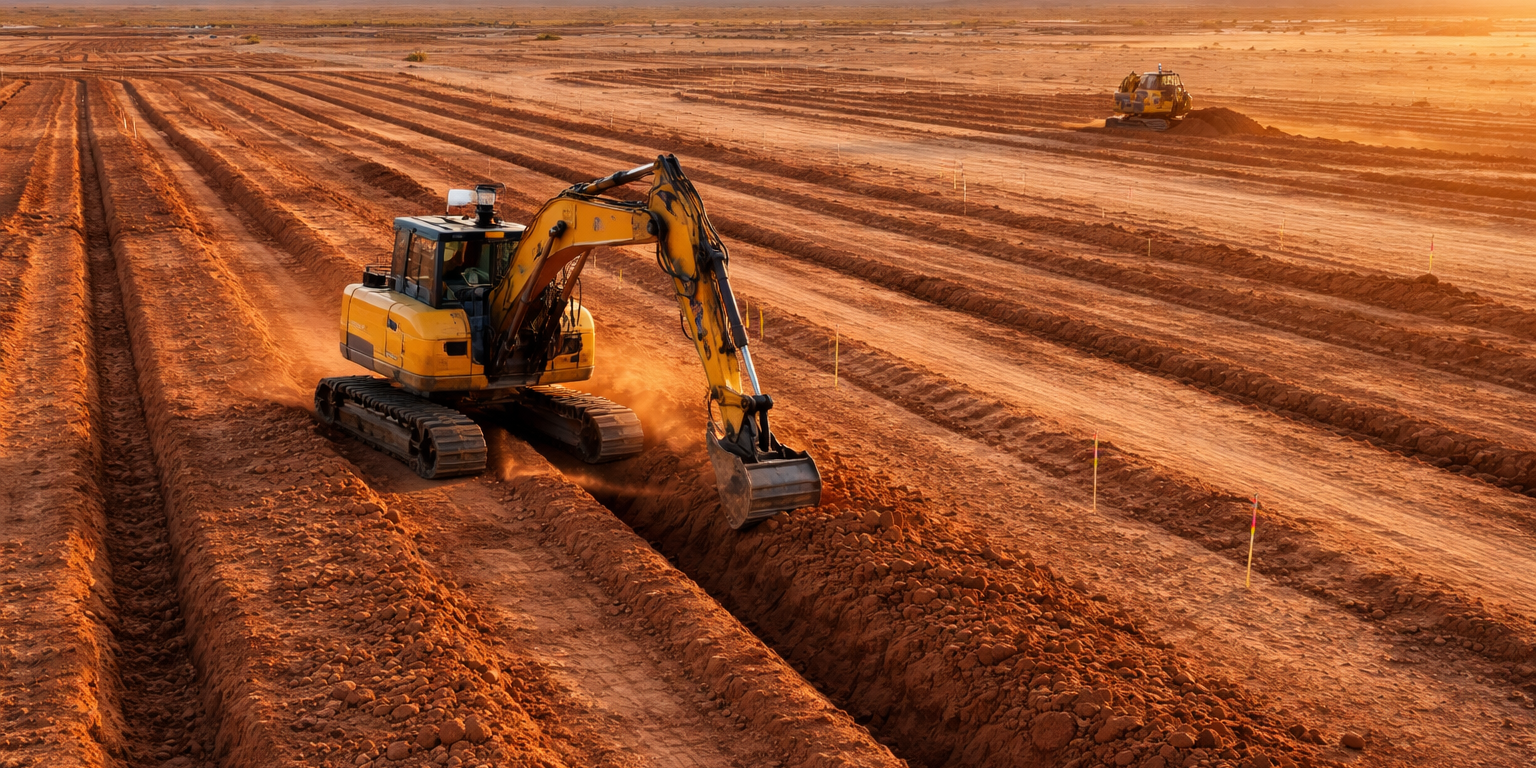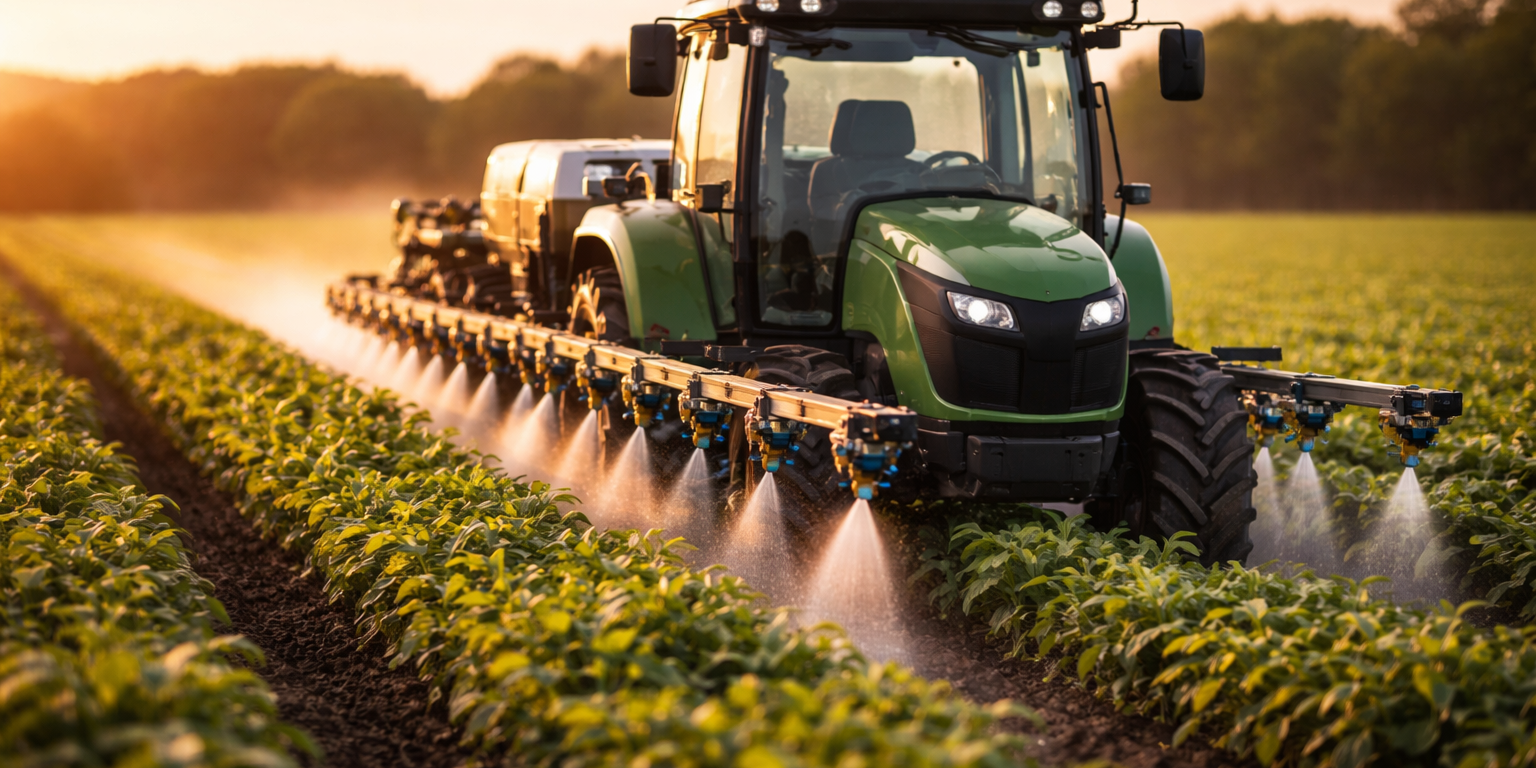
A tractor equipped with both autonomous navigation and precision spraying technology completed field operations in recent trials without anyone in the cab. Sabanto Inc., which builds retrofit autonomy kits for agricultural equipment, has integrated its self-driving system with the precision application platform from Verdant Robotics, creating what both companies describe as the first fully operator-free solution that combines field navigation with plant-level input delivery. The integration allows a single machine to drive itself through fields while simultaneously identifying individual plants and applying fertilizers or crop protection chemicals with millimeter-level precision.
Sabanto has been deploying autonomous tractor systems since 2019, primarily focused on tillage, planting, and harvesting operations where the implement performs uniform work across the field. The company's retrofit kits use RTK GPS, LiDAR, and camera systems to guide existing tractors along predetermined paths, allowing farm equipment to operate around the clock without fatigue or visibility constraints. Verdant entered the market more recently with a different value proposition: a robot that uses computer vision and machine learning to identify crops versus weeds at the individual plant level, then delivers inputs only where needed. Until this integration, however, Verdant's system required either a human driver or operation in structured environments like specialty crop fields where navigation demands are simpler. Combining the two platforms addresses a longstanding challenge in agricultural automation: most autonomous systems excel at either navigation or task execution, but rarely both simultaneously.
The technical implementation required synchronizing two distinct control systems operating on different timescales. Sabanto's autonomy stack makes navigation decisions every few hundred milliseconds, plotting courses around field obstacles and adjusting for terrain variations. Verdant's system operates at higher frequencies, capturing images, processing them through neural networks trained on millions of plant images, and actuating spray nozzles within tens of milliseconds as the machine moves forward. The companies developed a middleware layer that allows Verdant's application system to ride atop Sabanto's navigation platform, receiving vehicle position and velocity data in real time while maintaining independent control over when and where to dispense materials. Both companies declined to specify which hardware components were modified or whether the integration required changes to their core software architectures, though they confirmed the system uses Verdant's existing camera arrays and Sabanto's existing sensor suite without hardware redundancy.
The commercial implications extend beyond labor savings. Precision application at the plant level can reduce chemical usage by 70 to 90 percent compared to broadcast spraying, according to field trials conducted by universities and agrochemical companies over the past three years. Combining that efficiency with 24-hour autonomous operation creates a new economic model: instead of hiring crews to operate sprayers during narrow application windows dictated by weather and crop growth stages, farms could maintain smaller fleets running continuously. Several large row crop operations in the Midwest have expressed interest in systems that can spray during nighttime hours when wind speeds drop and temperature inversions reduce chemical drift. The integrated platform also addresses regulatory pressure in states like California, where restrictions on pesticide application near populated areas have tightened significantly. Delivering chemicals only to target plants, documented with GPS coordinates and camera verification, provides the audit trail that regulators increasingly demand.
Both companies are privately held and did not disclose pricing for the integrated system, though Sabanto's autonomy kits typically lease for $30,000 to $50,000 annually depending on equipment type, and Verdant has previously indicated its robots carry six-figure price tags. The companies plan to begin commercial deployments in select markets during the 2026 growing season, with initial focus on high-value crops where precision application economics are most compelling. Corn and soybean operations present the largest addressable market by acreage, but specialty crops including lettuce, strawberries, and processing tomatoes offer higher per-acre returns that justify earlier adoption of expensive automation technology. Neither company disclosed how revenue would be split or whether they are pursuing a joint venture structure versus separate sales with technical partnership agreements.
What to Watch: Monitor whether John Deere or CNH Industrial respond with competing integrated systems by late 2026, as both have acquired precision agriculture startups in the past 18 months. Track EPA and state-level pesticide regulators for guidance on autonomous application requirements, particularly regarding operator proximity and real-time oversight rules. Watch for data-sharing partnerships between Sabanto-Verdant deployments and seed companies like Corteva or Bayer, which are investing heavily in plant-level phenotyping data to improve hybrid development. Follow whether the companies pursue integration with other autonomy providers beyond their own platforms, which would signal open architecture versus proprietary ecosystem strategies.