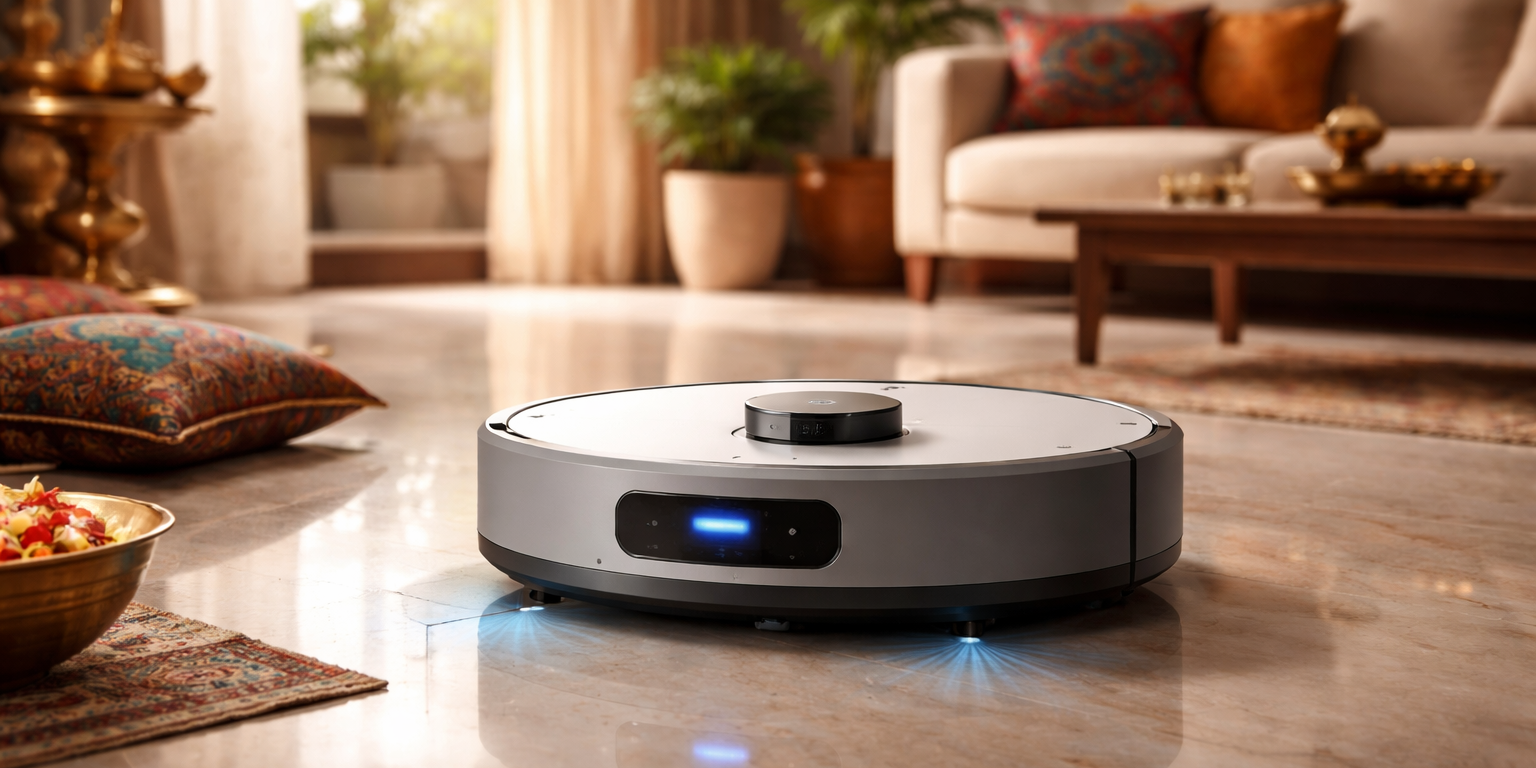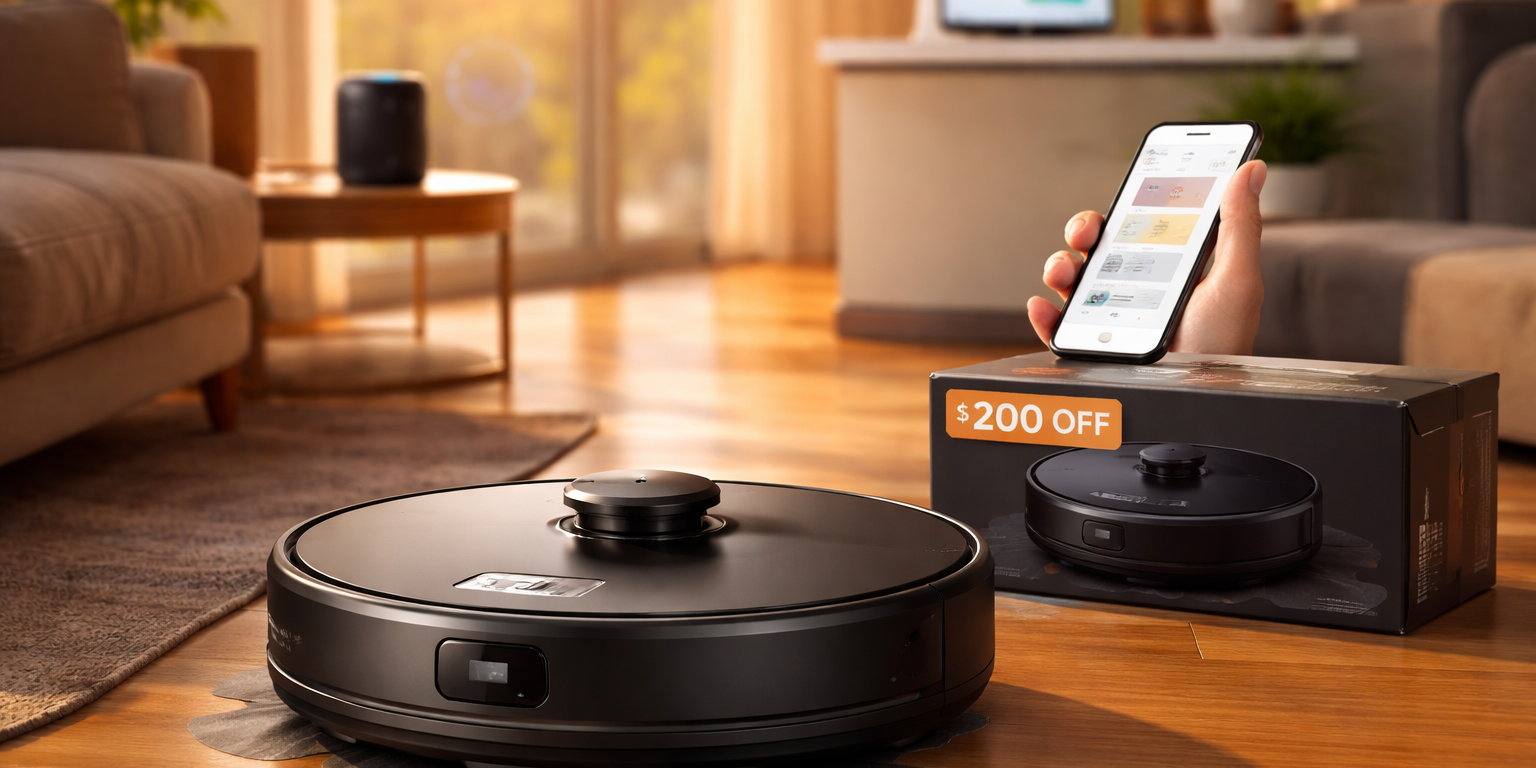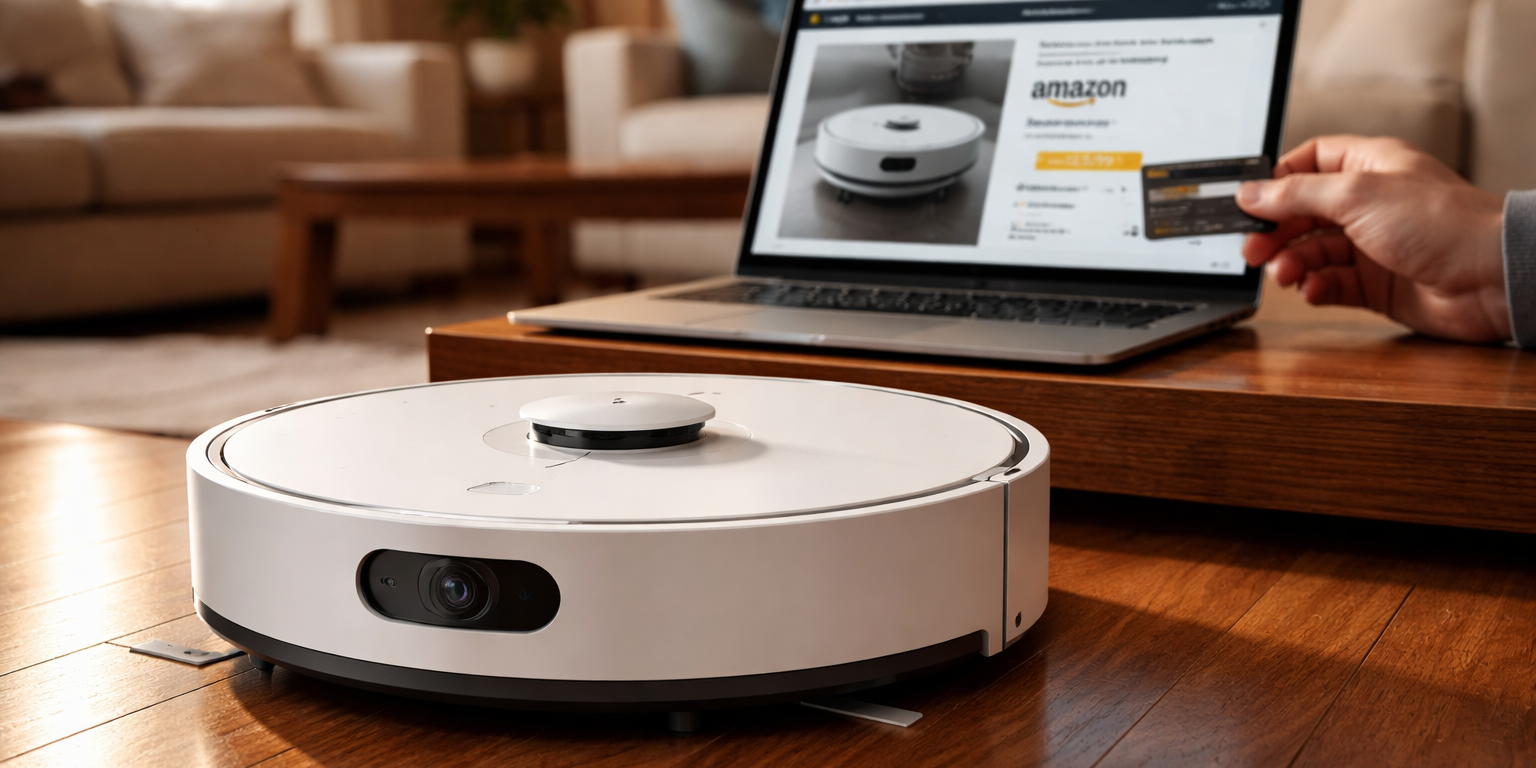
The Saros 10R went on sale this week at $899.99 with free shipping through Amazon, positioning Roborock's latest vacuum-mop combination unit squarely between mid-tier commodity models and luxury devices that command four-figure prices. The device packs 22,000 pascals of suction, a figure that represents roughly triple the power of budget competitors and places it near the upper end of consumer floor care robots currently available. Roborock declined to disclose initial production volumes or sales projections for the model.
Roborock has shipped autonomous vacuum cleaners since 2016, initially as an ODM supplier for Xiaomi's Mi Vacuum line before establishing its own brand in international markets. The Beijing-based company went public on the Shanghai Stock Exchange in 2020 and has steadily gained market share in North America and Europe, where iRobot's Roomba series has dominated for two decades. Industry analysts estimate the global robot vacuum market will reach $14.3 billion in annual revenue by late 2026, with Chinese manufacturers including Roborock, Ecovacs, and Dreame collectively controlling approximately 58 percent of unit shipments worldwide. The Saros 10R launch comes as that market shows signs of saturation in developed economies, forcing manufacturers to compete on technical specifications rather than novelty.
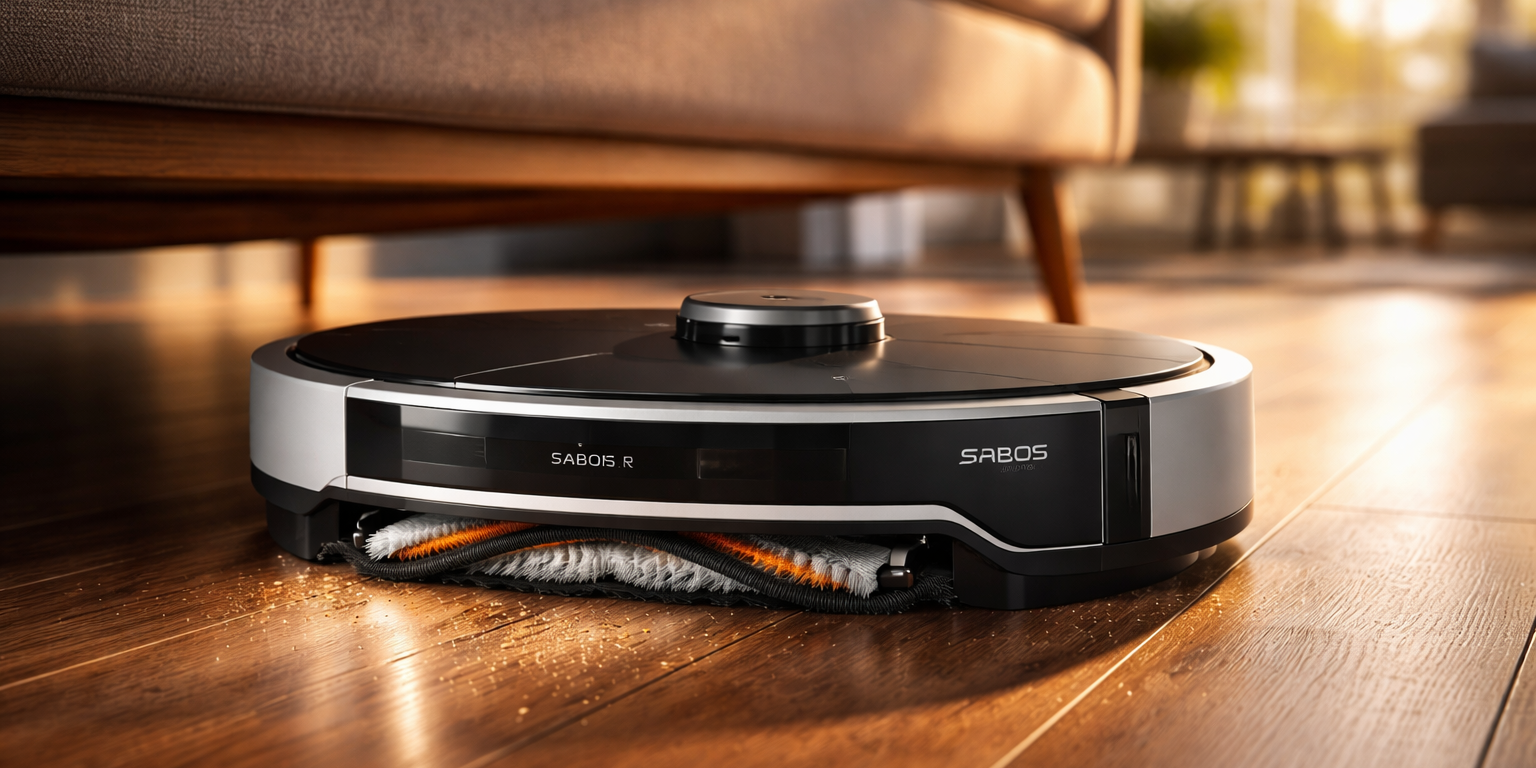
The zero-tangling brush system represents the device's primary mechanical innovation. Pet hair and long human hair routinely jam rotating brushes in autonomous vacuum cleaners, requiring manual intervention that undermines the value proposition of hands-free operation. Roborock engineered a dual-roller configuration with directional bristles and a self-cleaning mechanism that routes tangled material into the dustbin rather than wrapping it around the brush shaft. The company has not published peer-reviewed testing data on tangle reduction rates, and third-party verification remains pending. The 3.14-inch height measurement allows the Saros 10R to navigate beneath furniture that blocks thicker competing models, though the trade-off comes in reduced dustbin capacity compared to bulkier designs. Roborock lists dustbin volume at 350 milliliters, roughly 30 percent smaller than the company's flagship S8 MaxV Ultra released in early 2025.
The mopping function operates through a vibrating microfiber pad system with automated water dispensing, a configuration now standard across hybrid vacuum-mop robots in this price bracket. The Saros 10R includes LIDAR-based navigation and room mapping, smartphone app integration for scheduling and zone restrictions, and compatibility with voice assistants including Amazon Alexa and Google Assistant. These features have become table stakes rather than differentiators in the consumer robotics floor care segment. What separates premium models from budget alternatives now comes down to suction power metrics, obstacle avoidance precision, and proprietary claims around maintenance reduction. The zero-tangle brush falls into that last category, addressing one of the most common user complaints documented in product reviews across the category. Whether Roborock's implementation delivers measurably better performance than competing approaches from Ecovacs and Shark remains an open question that will be settled by independent testing in the coming months.
What to Watch: Independent teardowns and long-term reviews of the Saros 10R should appear within 60 to 90 days, providing verification of Roborock's zero-tangle claims and durability assessments of the dual-roller mechanism. Ecovacs is expected to launch its Deebot X5 series in Q4 2026 with competing anti-tangle technology, setting up a direct feature comparison. Watch for Roborock's Q3 2026 earnings report in late October for sales data on the Saros line and any indication of market share gains in North America. The company's pricing strategy for the Saros 10R may signal whether premium features can still command margin in an increasingly commoditized product category.