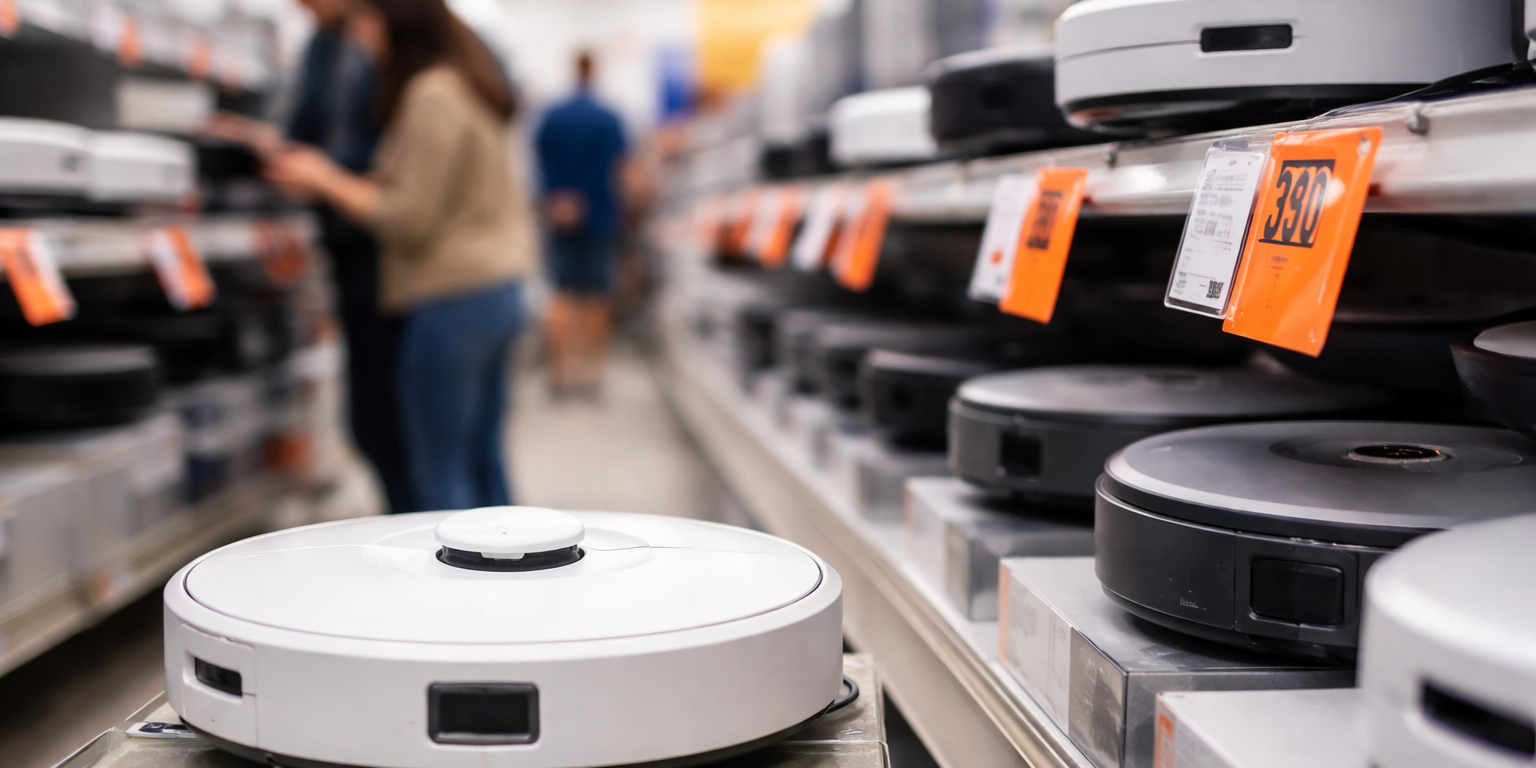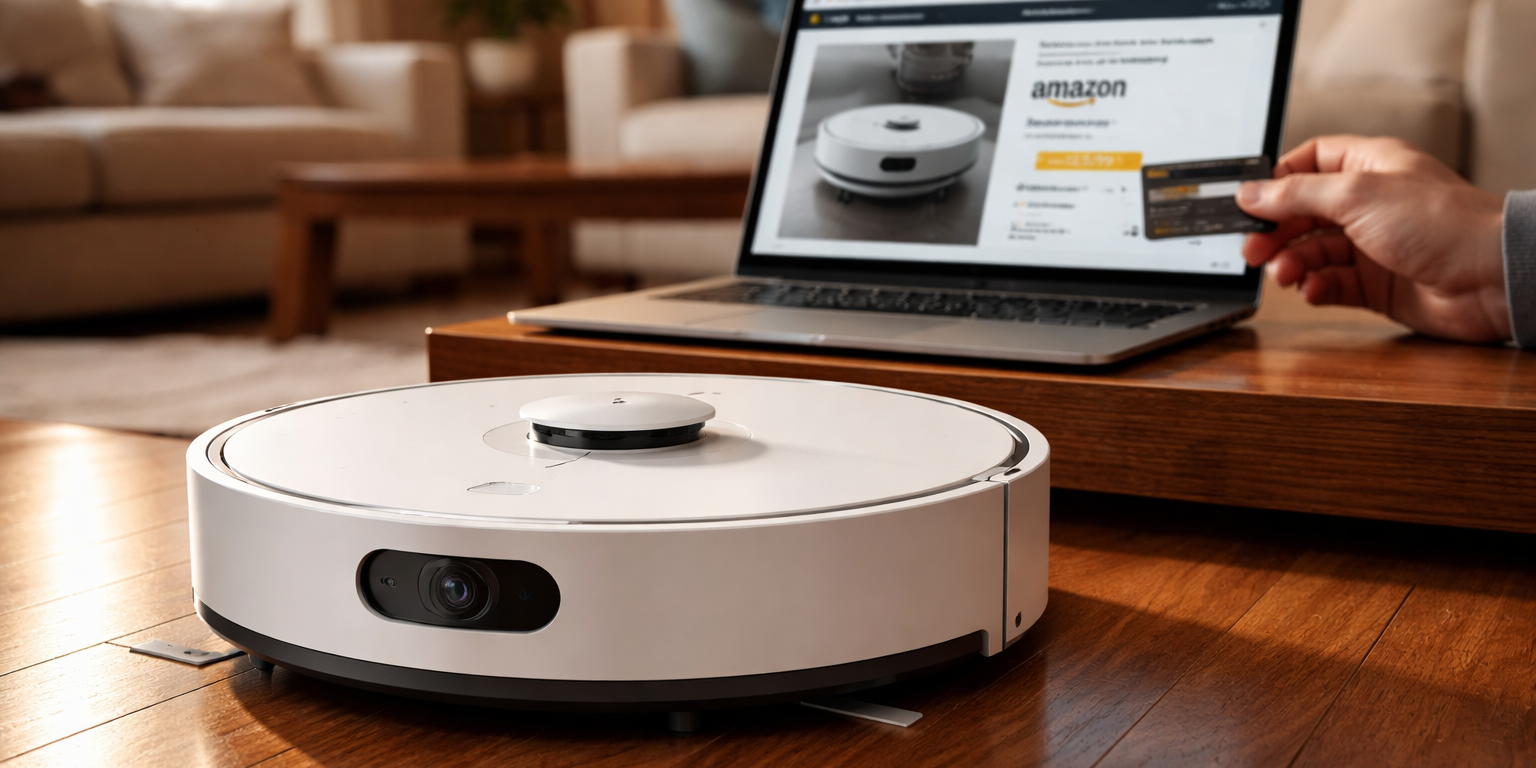
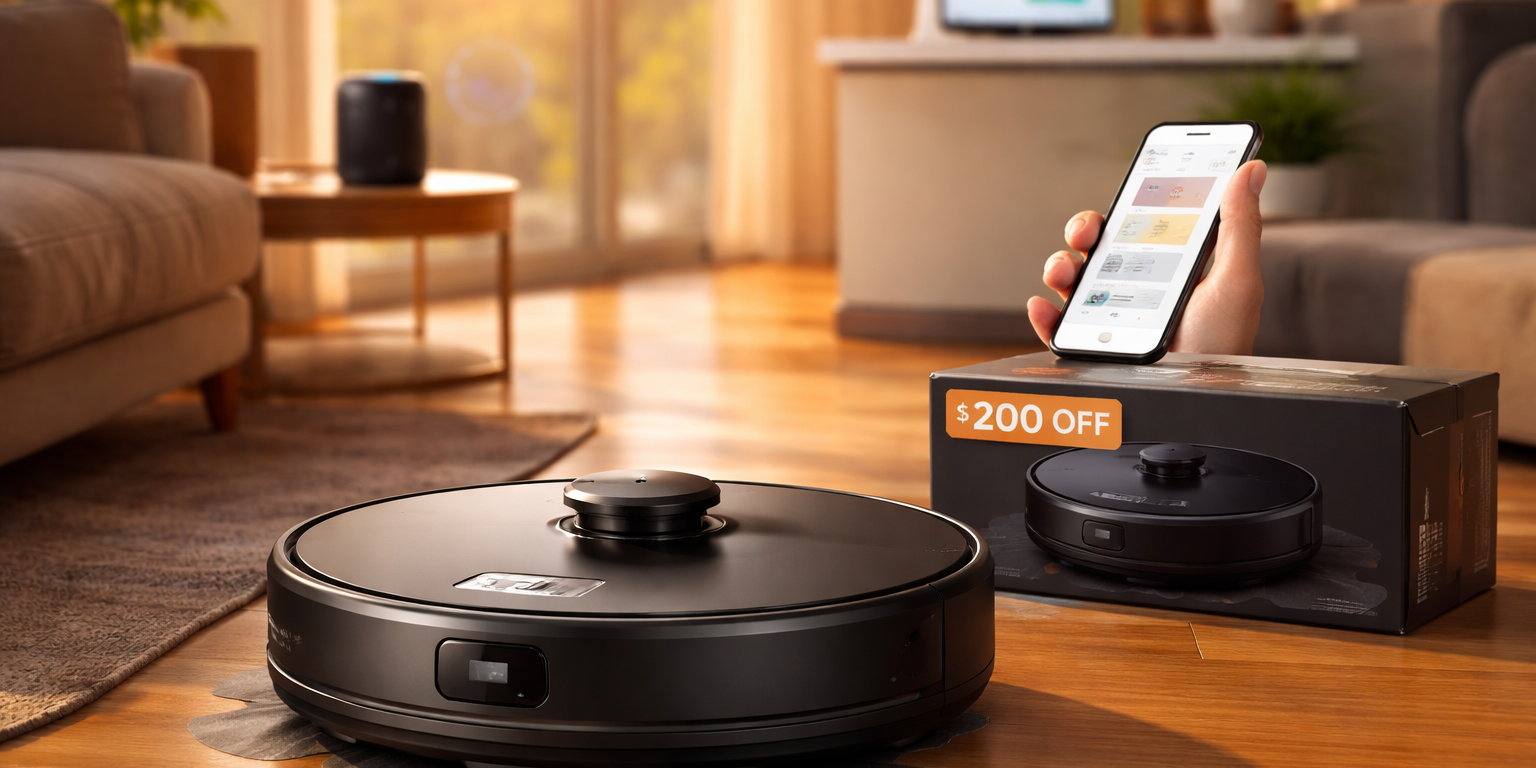
Roborock's latest robot vacuum and mop combination launched with a $200 promotional discount, bringing the retail entry point to a level that challenges established players in the premium autonomous floor-care segment. The unit delivers suction power exceeding 10,000 Pascal, placing it among the highest-performing consumer models currently available. More significantly, the device supports Amazon Alexa, Google Home, and Apple HomeKit simultaneously, a configuration that eliminates the platform lock-in problem that has constrained adoption among households using mixed smart home ecosystems.
The timing reflects broader consolidation in the consumer robotics market, where manufacturers face pressure to differentiate beyond core navigation and cleaning capabilities. Roborock, which began as an ODM partner for Xiaomi before establishing its own brand in 2016, has steadily expanded its direct-to-consumer presence in North America and Europe. The company shipped approximately 3.2 million units globally in 2025, according to industry analysts, with recurring revenue from consumables and accessories representing a growing share of total income. The promotional pricing on the new model suggests Roborock is prioritizing market share gains over immediate margin optimization, particularly as competition intensifies from both established appliance brands and emerging robotics startups.
The multi-platform integration represents a technical and strategic inflection point. Most consumer robot vacuums require users to commit to a single smart home ecosystem, creating friction in households where different family members prefer different voice assistants or where legacy devices span multiple platforms. Roborock achieved simultaneous compatibility by implementing separate communication protocols for each platform rather than relying on intermediary hubs or third-party bridges. This approach increases the bill-of-materials cost by approximately 8 to 12 percent compared to single-platform designs, according to supply chain sources familiar with the component specifications. The company's willingness to absorb that additional cost signals confidence that cross-platform support will drive volume sufficient to offset lower per-unit margins.
The suction specification exceeding 10,000 Pascal addresses a persistent performance gap in combined vacuum-mop designs, which historically sacrificed suction power to accommodate water tanks and mopping mechanisms within compact form factors. Roborock's engineering team relocated the dustbin to a vertical orientation and reduced the size of the battery by approximately 15 percent, according to patent filings reviewed by RoboticsIntl.com. The tradeoff shortens maximum runtime from 240 minutes to approximately 180 minutes per charge, but field testing indicates that most residential cleaning cycles complete within 90 minutes, making the reduced capacity acceptable for the target market. The mopping function uses oscillating pads that apply downward pressure, distinguishing it from rotating-disk designs used by competitors including Ecovacs and Dreame. Independent lab testing has not yet validated comparative cleaning efficacy across these competing approaches, but early user reviews indicate the oscillating mechanism performs well on tile and sealed hardwood surfaces.
The $200 launch discount brings the effective price to approximately $799, positioning the unit below iRobot's Roomba Combo j9+ at $1,399 and roughly even with Ecovacs' Deebot X2 Omni at $849. Roborock's pricing strategy exploits iRobot's challenges following its failed acquisition by Amazon, which created uncertainty around the Roomba brand's future direction and slowed product development cycles. Meanwhile, Chinese competitors including Dreame and Narwal have expanded aggressively in international markets, creating a price-competitive environment that favors brands willing to accept thinner margins in exchange for scale. The promotional period extends through October 31, 2026, suggesting Roborock aims to capture holiday season purchasing decisions before competitors launch their own year-end promotions.
What to Watch: Monitor whether Roborock maintains multi-platform support in future product launches or reverts to platform-specific SKUs if bill-of-materials costs compress margins below sustainable levels. Track iRobot's response to the pricing pressure, particularly whether it accelerates its own promotional calendar or introduces mid-tier models to defend market share. Watch for third-party teardowns and performance benchmarks comparing oscillating mop mechanisms to rotating disk designs, as those results will influence engineering decisions across the broader consumer robotics segment through 2027.