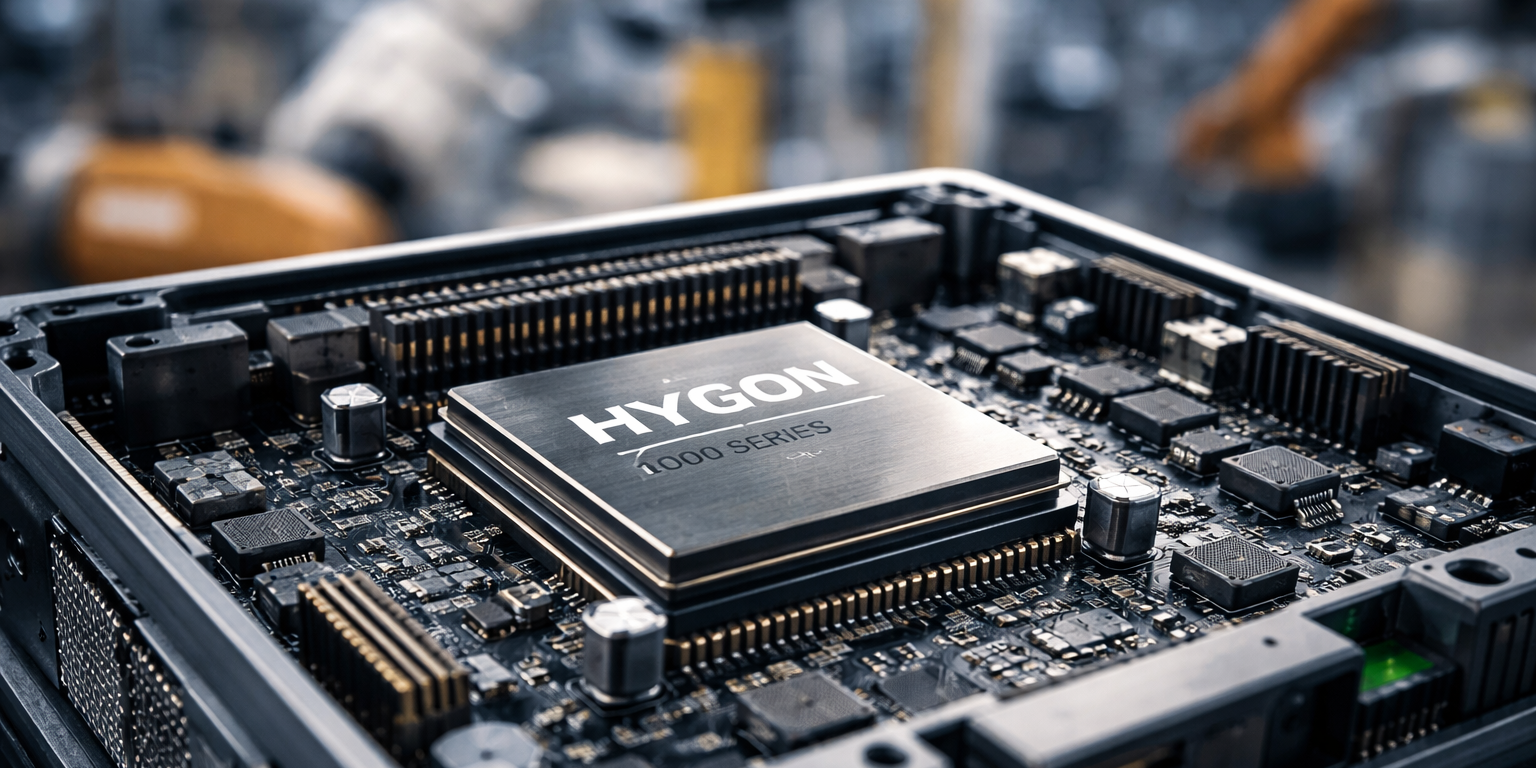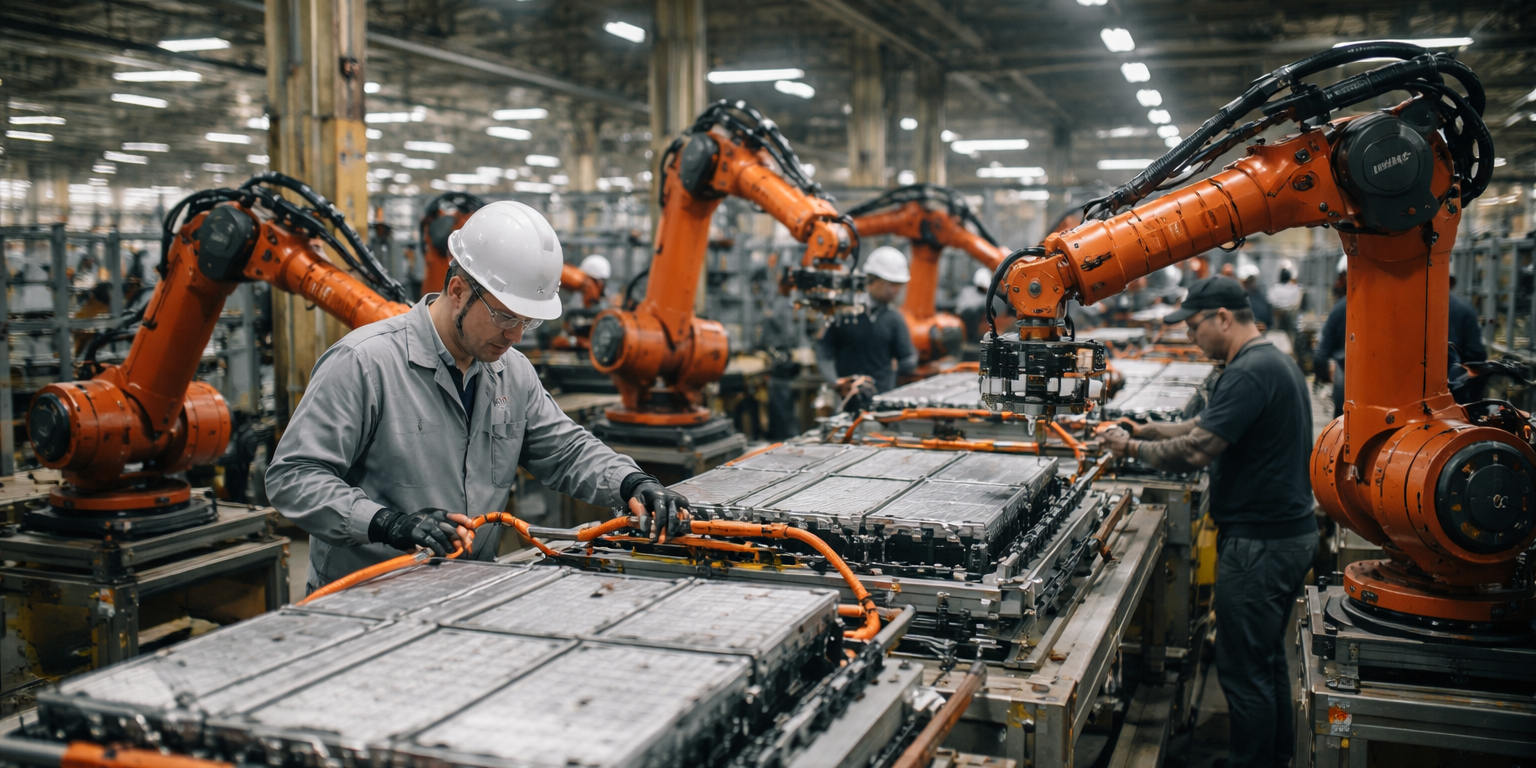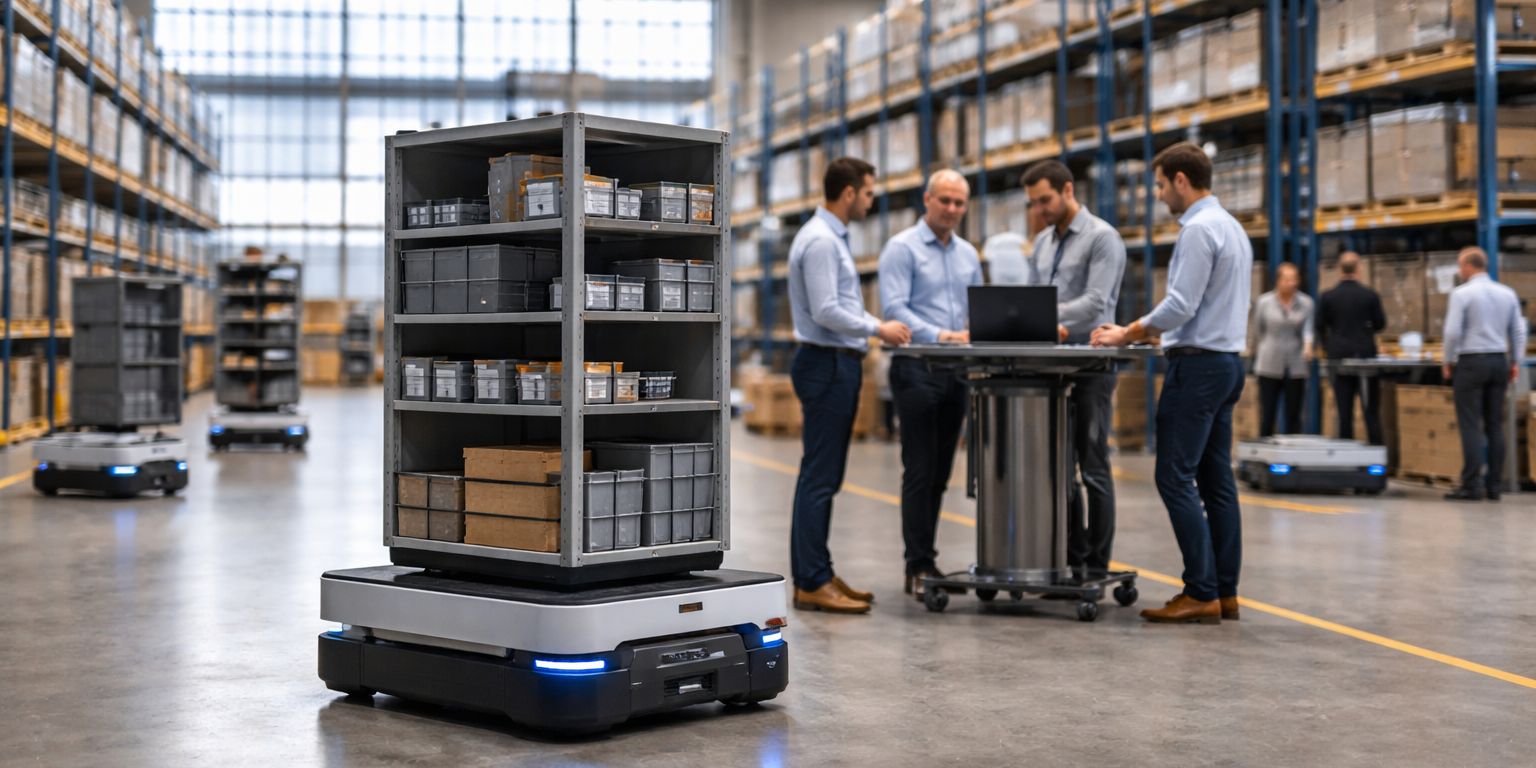

Nvidia has expanded its partnership with Doosan Group, the Seoul-based conglomerate, to advance physical AI and robotics systems across industrial sectors that include heavy machinery, power generation, and manufacturing. The collaboration, which builds on earlier joint efforts between the companies, targets the development of AI factory infrastructure capable of supporting autonomous operation in environments ranging from construction sites to power plants. Doosan Group operates through multiple affiliates including Doosan Robotics, Doosan Bobcat (construction equipment), Doosan Enerbility (power systems), and specialty materials divisions, giving the partnership unusually broad reach across industrial automation applications. For Nvidia, the arrangement represents a strategic bet on physical AI implementations beyond data centers, an area where the company has invested heavily through its Omniverse simulation platform and Isaac robotics development tools.
The partnership arrives as both companies face distinct market pressures. Nvidia has publicly stated its intention to expand beyond traditional AI computing into embodied AI systems that interact with the physical world, viewing robotics and industrial automation as major growth vectors for its GPU and simulation technologies. Doosan Group, meanwhile, has been restructuring its operations following financial stress in its power and construction divisions, making AI-driven efficiency gains and new revenue streams increasingly important. Doosan Robotics, which went public on the Korea Exchange in 2023, manufactures collaborative robot arms used in assembly, packaging, and machine tending applications. The division competes directly with Universal Robots, ABB, and FANUC in the cobot segment, where differentiation increasingly depends on software capabilities and ease of integration rather than hardware specifications alone. Nvidia's AI tools could provide Doosan's robots with enhanced perception, path planning, and adaptive control capabilities that currently require significant custom engineering.
The technical focus centers on what Nvidia terms "physical AI," a framework for training AI models in simulation and deploying them to real-world robotic systems. Nvidia's Isaac Sim platform allows developers to create photorealistic digital twins of factories, warehouses, and construction sites, then train robot control policies using synthetic data before physical deployment. For Doosan's diverse equipment portfolio, this approach could accelerate development cycles and reduce the cost of programming robots for new tasks. Doosan Bobcat, which manufactures compact excavators, loaders, and other construction machinery sold globally under the Bobcat brand, could potentially integrate autonomous or semi-autonomous operation using Nvidia's Drive platform, originally developed for automotive applications but increasingly adapted for off-highway equipment. Meanwhile, Doosan Enerbility's power generation facilities and fuel cell systems represent candidates for AI-driven predictive maintenance and optimization, areas where Nvidia has existing commercial deployments through its Omniverse and Modulus platforms.
The AI factory infrastructure component addresses a broader industrial trend toward software-defined manufacturing. Traditional factory automation relies on fixed programming and predetermined workflows, requiring extensive reprogramming when production requirements change. AI-driven systems can theoretically adapt to new tasks through learning rather than manual reprogramming, a capability that becomes increasingly valuable as manufacturers face shorter product cycles and greater customization demands. Nvidia has positioned its Metropolis platform, which combines computer vision and sensor fusion, as infrastructure for such adaptive factories. Doosan's manufacturing facilities, which produce everything from industrial robots to gas turbines, could serve as testbeds for these technologies while simultaneously benefiting from productivity improvements. The arrangement also gives Nvidia access to operational data from real industrial environments, valuable for refining AI models that must function reliably in conditions far messier than controlled laboratory settings.
Both companies face competition from other AI-industrial partnerships forming across the sector. Siemens has integrated Nvidia's Omniverse into its factory design tools, while ABB has collaborated with Nvidia on AI-enabled robotics for automotive manufacturing. Amazon Web Services has partnered with multiple robotics companies to provide cloud-based AI training infrastructure. Boston Dynamics, now owned by Hyundai, has developed its own AI software stack for its mobile robots and manipulators. The differentiation in these partnerships often comes down to vertical integration and deployment scale rather than fundamental technological approaches, suggesting that Doosan's breadth across construction, power, and manufacturing could provide unique advantages if the companies can execute across multiple product lines simultaneously. Success will likely depend on how quickly joint solutions reach commercial deployment and whether they deliver measurable productivity or cost advantages over existing automation approaches.
What to Watch: Monitor whether Doosan Robotics announces new cobot models with integrated Nvidia AI capabilities in the first half of 2025, as the company typically unveils products at the International Robot Exhibition in Tokyo or Automatica in Munich. Track commercial deployments of autonomous features in Doosan Bobcat construction equipment, particularly in markets like the United States and European Union where labor shortages are driving automation adoption. Watch for joint announcements around digital twin implementations at Doosan manufacturing facilities, which would signal progress on the AI factory infrastructure component and could provide case study data influencing other manufacturers' technology decisions.