Novarc Technologies has locked in a strategic memorandum of understanding with Yaskawa Motoman to push its AI-powered welding automation into a broader slice of the North American fabrication market. The Burnaby, British Columbia-based startup announced the partnership June 15, positioning the deal as a response to persistent skilled labor shortages that have left pipe fabricators scrambling for qualified welders. Novarc's core technology, marketed as the Spool Welding Robot, uses real-time computer vision and machine learning to adapt weld parameters on the fly, compensating for joint variation and material inconsistencies that typically require human judgment. Yaskawa, headquartered in Miamisburg, Ohio, brings a North American robotics distribution network and decades of integration experience across automotive, aerospace, and heavy industrial sectors.
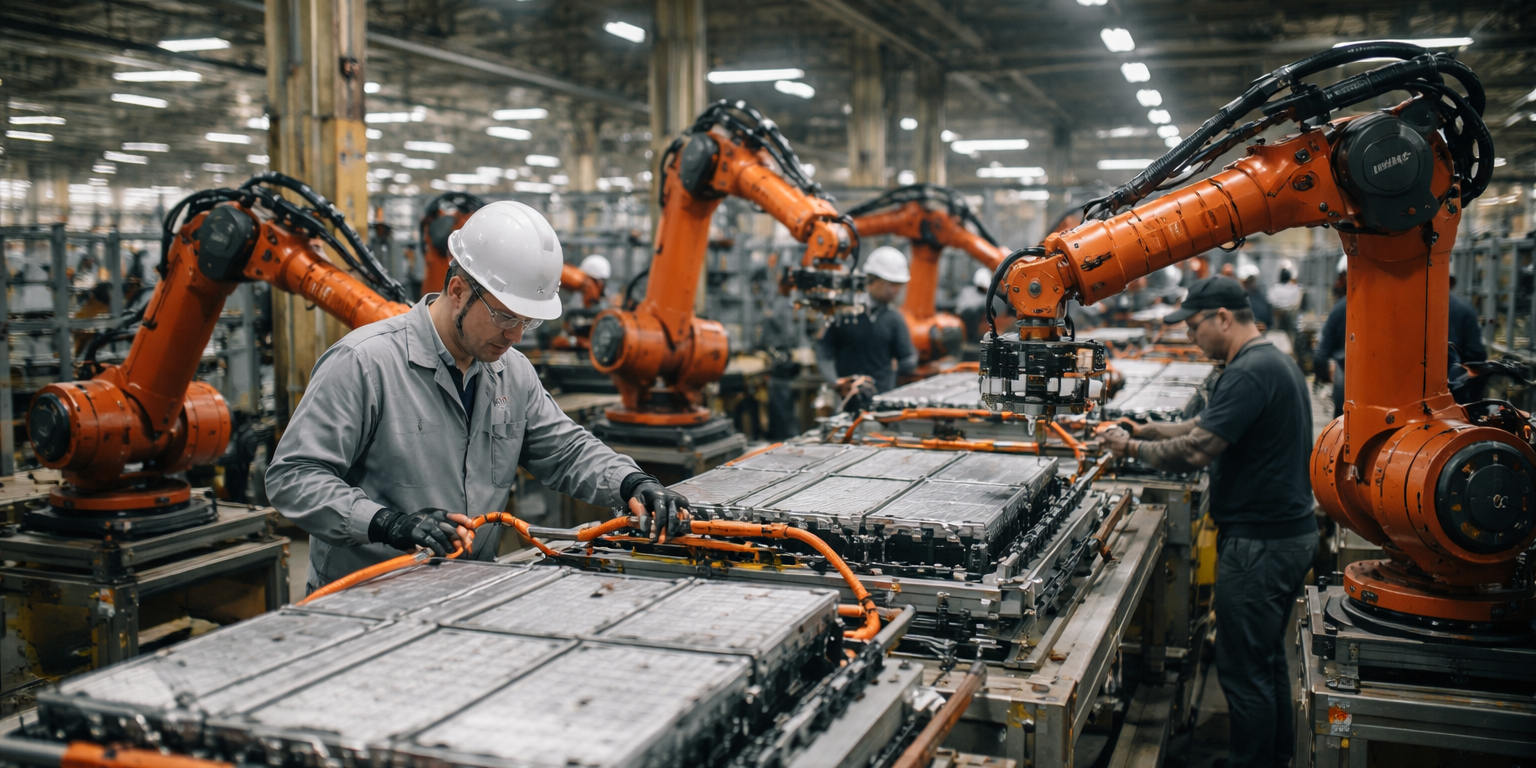
The collaboration centers on pairing Novarc's proprietary welding software with Yaskawa's six-axis manipulators, though neither company has disclosed which specific robot models will serve as the reference platform. Novarc has historically deployed its systems on a mix of hardware from multiple vendors, but the MOU signals a move toward standardization around Yaskawa's architecture. That shift matters for scalability. Fabrication shops already running Yaskawa robots for material handling or cutting tasks could theoretically retrofit existing cells with Novarc's welding intelligence, reducing capital expenditure and integration time. The partnership also positions both companies to address a market segment that has resisted automation longer than automotive or electronics manufacturing. Pipe welding, especially in oil and gas infrastructure and shipbuilding, has remained stubbornly manual due to the variability in joint geometry, the need for positional welding, and the high cost of failure when welds don't meet code. Novarc claims its system can match or exceed the quality of certified human welders on pipe diameters ranging from two to 60 inches, a range that covers the majority of industrial piping applications.
Novarc's technology stack relies on a combination of laser-based seam tracking, infrared weld pool monitoring, and neural networks trained on thousands of hours of weld data collected from human operators. The system adjusts wire feed speed, travel speed, and arc voltage in real time, responding to conditions like heat buildup, joint fit-up gaps, and changes in base material composition. That level of adaptability has historically required a human welder to interpret visual cues from the molten puddle and make split-second corrections. Novarc's software effectively replicates that sensory feedback loop, though the company has been careful to position the system as collaborative rather than fully autonomous. Most installations still place a human operator in a supervisory role, monitoring multiple robotic cells and stepping in for complex setups or inspection tasks. Yaskawa's role in the partnership extends beyond hardware supply. The company's applications engineering teams will work alongside Novarc to develop pre-packaged welding cells tailored to specific fabrication workflows, from pressure vessel manufacturers to structural steel shops. Those turnkey systems could shorten deployment timelines from months to weeks, a critical factor for mid-sized fabricators that lack in-house robotics expertise.
The timing of the MOU reflects broader economic pressures in the welding trades. The American Welding Society has projected a shortfall of 400,000 welders in the United States by 2028, driven by retirements and declining enrollment in vocational training programs. Canada faces similar demographic trends, with an aging welder workforce concentrated in Alberta's energy sector and British Columbia's shipyards. Those labor gaps have pushed fabricators to reconsider the economics of automation, even in applications where robotic welding was previously deemed impractical. Novarc has installed more than 80 systems globally since launching its Spool Welding Robot in 2016, with the majority deployed in North America and Europe. The company has raised undisclosed venture funding from investors including BDC Capital and Kensington Capital Partners, though it has not announced a formal Series A or B round. Yaskawa, by contrast, operates at a different scale entirely. The Japanese parent company, Yaskawa Electric Corporation, reported consolidated revenue of 555 billion yen for fiscal year 2025, with its robotics division accounting for roughly 40 percent of that total. Yaskawa Motoman, the North American subsidiary, claims an installed base exceeding 600,000 robots across industries, giving the partnership immediate access to a large pool of potential retrofit customers.
What to Watch: Track how quickly Novarc and Yaskawa release joint product specifications and pricing for integrated welding cells, likely within the next 90 days if the partnership moves beyond exploratory talks. Monitor whether other major robot OEMs, particularly ABB and FANUC, respond with their own welding AI partnerships to avoid ceding market share in the fabrication automation segment. Watch for announcements from pipe fabricators or shipbuilders piloting the integrated systems, as early deployments will signal whether the technology can scale beyond Novarc's existing customer base.