
The SupplyTech Breakthrough Awards program has named Nomagic's Shoebox Picker as Piece Picking Robotics Innovation of the Year, adding trade recognition to a product category that remains contentious among warehouse automation engineers. The awards program, managed by Tech Breakthrough, evaluates supply chain technology across forty categories. Nomagic competed against established automation vendors and venture-backed startups alike in a segment where picking accuracy and deployment speed determine commercial viability.
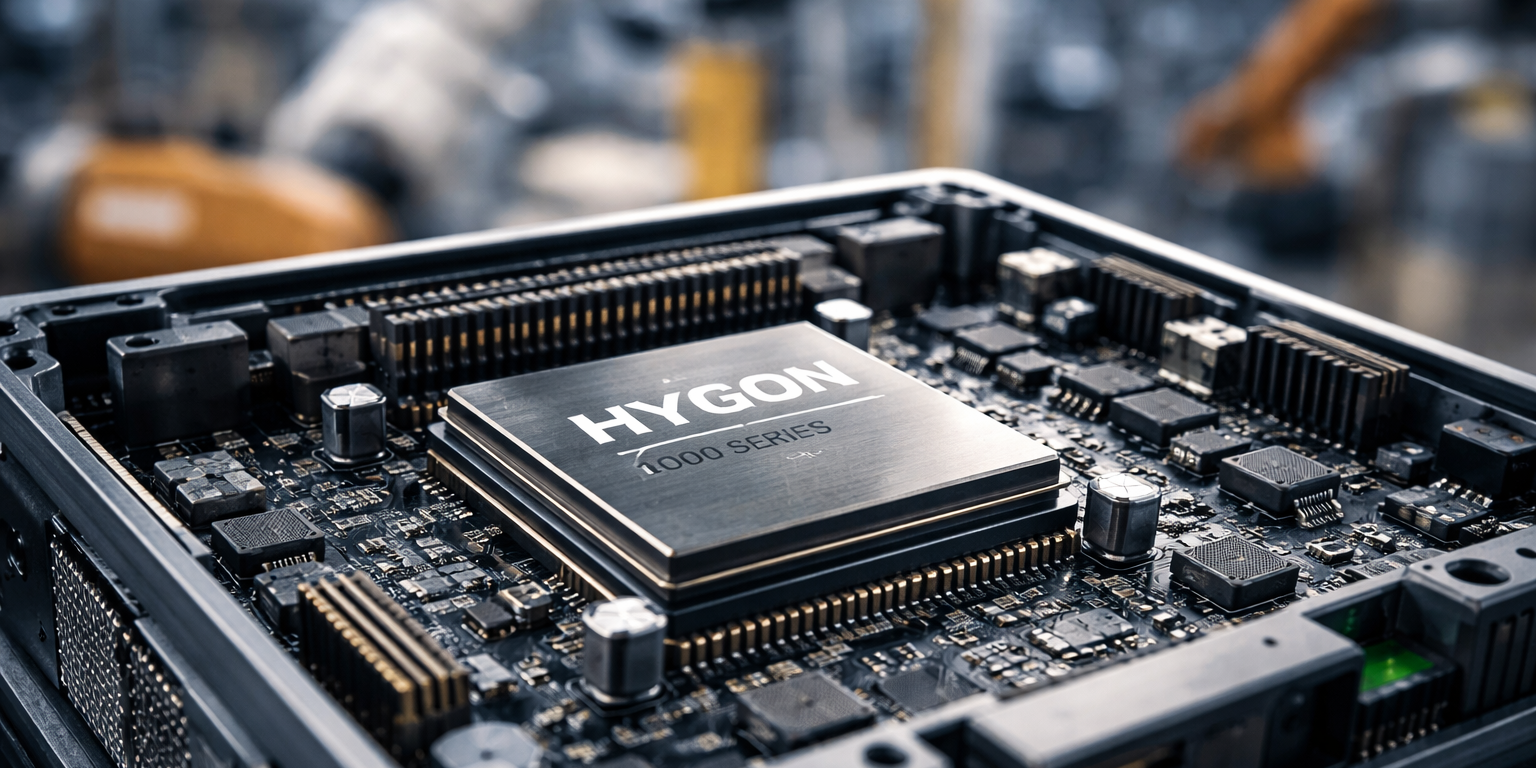
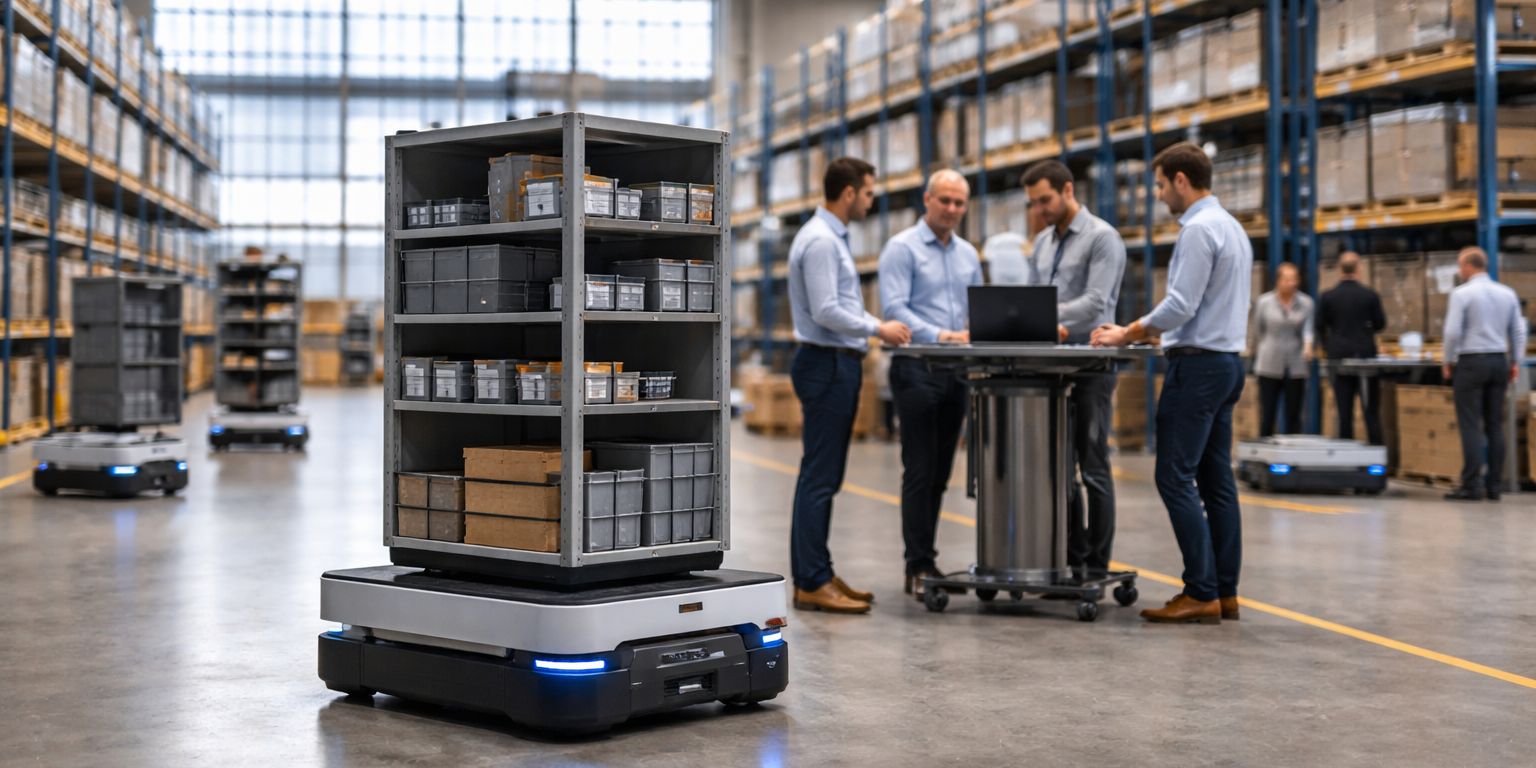
Nomagic markets the Shoebox Picker as a compact, vision-guided robotic system designed for item-level sortation in facilities where floor space constraints or capital budgets rule out traditional conveyor-based automation. The company positions the product for e-commerce fulfillment centers, third-party logistics providers, and retail distribution networks handling mixed SKU inventories. Unlike gantry-based piece-picking systems that require permanent installation and facility modification, the Shoebox Picker operates as a modular unit that can be relocated or scaled without structural changes to the warehouse. This portability addresses a longstanding barrier to automation adoption among mid-sized logistics operators who lease facilities on short-term contracts or face seasonal demand fluctuations that make fixed infrastructure investments difficult to justify. The system relies on computer vision algorithms to identify items on a conveyor belt, then deploys a robotic arm to divert pieces into designated chutes based on destination or order priority. Nomagic has not disclosed throughput specifications, but industry benchmarks for similar systems range from 600 to 1,200 picks per hour depending on item variation and packaging consistency.
The award arrives as warehouse automation vendors face mounting pressure to deliver ROI timelines under eighteen months. Labor shortages that accelerated automation investment during the pandemic have moderated in many regional markets, forcing technology providers to compete on deployment speed and operational flexibility rather than labor displacement alone. Nomagic's design philosophy reflects this shift. The Shoebox Picker requires minimal operator training and integrates with existing warehouse management systems through standard APIs, reducing the implementation overhead that has historically slowed adoption of robotic sortation. Competing systems from vendors like Berkshire Grey, Nimble Robotics, and RightHand Robotics emphasize similar ease-of-deployment value propositions, though each takes a different approach to gripper design and vision processing. The SupplyTech Breakthrough Awards judging criteria prioritize innovation in user experience and commercial impact alongside technical performance, which suggests the recognition reflects Nomagic's go-to-market execution as much as the underlying robotics engineering. Trade awards in the logistics automation sector carry weight with procurement teams at large third-party logistics providers, who use industry recognition as a filtering mechanism when evaluating vendors for pilot programs.
Nomagic operates in a crowded market segment where differentiation hinges on integration complexity and uptime reliability rather than fundamental technological breakthroughs. Computer vision and robotic manipulation capabilities have matured to the point where multiple vendors can achieve comparable picking accuracy under controlled conditions. The competitive battleground has shifted to software integration, maintenance requirements, and the ability to handle edge cases like damaged packaging or non-standard item dimensions. Nomagic has built partnerships with warehouse execution software providers to streamline data handoffs between its vision system and inventory management platforms, a strategy that reduces the custom development work required during deployment. The company has not disclosed customer names or deployment volumes, which is common practice among warehouse automation vendors serving logistics providers bound by confidentiality agreements. However, industry analysts estimate that compact piece-picking systems represent a $400 million annual market opportunity within the broader warehouse robotics sector, with growth concentrated among operators managing between 50,000 and 500,000 square feet of distribution space. These mid-market facilities lack the volume density to justify the capital expenditure of mega-warehouse automation but face the same labor cost pressures and accuracy requirements as larger operations.
What to Watch: Monitor whether Nomagic discloses specific deployment metrics or customer case studies in the next quarter, as credibility in this market depends on quantifiable uptime and throughput data. Track partnership announcements with warehouse management system providers, particularly Manhattan Associates, Blue Yonder, or Körber, which would signal broader market access. Watch for competitive response from Berkshire Grey and RightHand Robotics, both of which have emphasized compact form factors in recent product updates and may accelerate go-to-market efforts in the sub-1,000 picks-per-hour segment.