The U.S. Navy has stood up a Robotics and Autonomous Systems Warfighting Development Center, creating a dedicated institutional structure to resolve longstanding friction points in how unmanned platforms integrate with crewed vessels and carrier strike groups. The center, known as RASWDC, exists to answer questions that have dogged naval robotics programs for years: who commands an autonomous surface vessel operating alongside a destroyer, how do these systems fit into existing task force hierarchies, and which budget lines fund their maintenance and upgrades. These are not abstract concerns. Without clear answers, procurement dollars stall, operational testing drags on, and platforms sit pierside waiting for someone to decide who owns them.
The Navy has fielded unmanned systems in fits and starts since the early 2010s, from MQ-4C Triton surveillance aircraft to the Sea Hunter autonomous surface vessel prototypes. Each program surfaced the same structural problems. The fleet lacked standardized training for operators who were often pulled from traditional warfare communities with minimal preparation. Mission assignments remained ad hoc, with commanders unsure whether to treat unmanned assets as organic capabilities or external support. Resource requirements ping-ponged between warfare directorates, leaving maintenance schedules and software updates in bureaucratic limbo. RASWDC now owns these problems. The center is developing a phased implementation plan that will establish command relationships, define mission sets, and create budgetary frameworks specific to robotic platforms. This work directly supports the Navy's push toward Distributed Maritime Operations, a operational concept that relies on dispersing sensors, weapons, and decision nodes across larger geographic areas than traditional carrier-centric deployments.
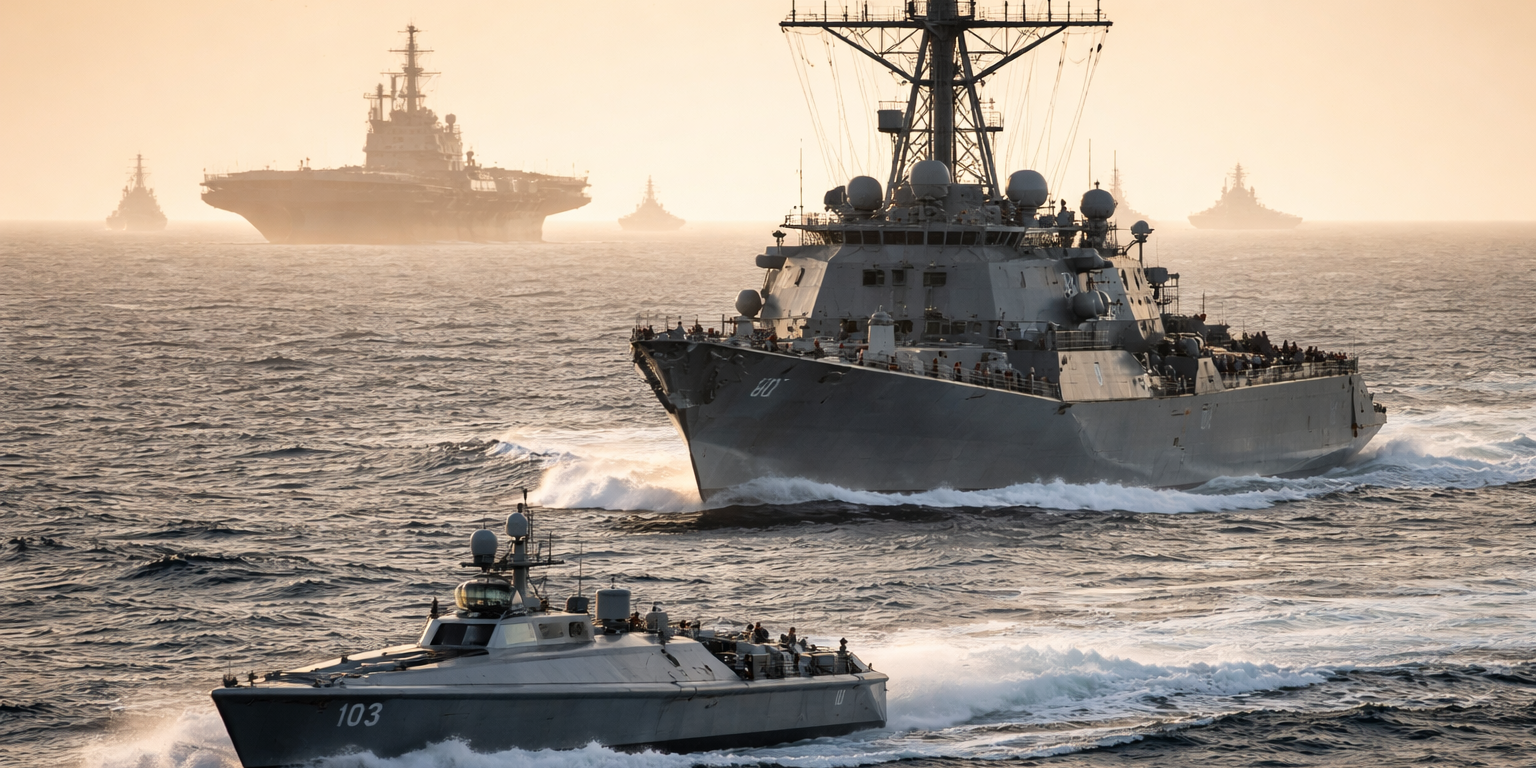
The center's mandate spans surface, subsurface, and aerial unmanned systems, reflecting how robotics have proliferated across naval warfare domains. Surface platforms include autonomous escort vessels designed to extend the sensor and weapons reach of crewed combatants. Subsurface systems range from mine countermeasure vehicles to long-endurance underwater gliders mapping ocean conditions and adversary activity. Aerial drones provide persistent surveillance and targeting data that manned aircraft cannot sustain over multi-week deployments. Each domain presents distinct integration challenges. An autonomous surface vessel operating in a surface action group needs different command protocols than an underwater vehicle supporting a submarine. RASWDC's phased approach will likely prioritize the domains where unmanned systems have matured fastest and where operational demand is highest. Surface platforms represent the nearest-term integration challenge, with the Navy already testing Large Unmanned Surface Vehicles capable of carrying vertical launch systems for anti-ship and land-attack missiles. These platforms cost a fraction of crewed destroyers but introduce new questions about rules of engagement, communications security, and how human commanders exercise control during high-tempo operations.
The center arrives as peer competitors accelerate their own unmanned maritime programs. China has deployed reconnaissance drones across the South China Sea and tested autonomous surface vessels in coordinated swarm configurations. Russia operates underwater gliders and autonomous mine-laying systems in contested waters. The operational tempo of these systems is increasing, and the U.S. fleet needs institutional mechanisms to keep pace. RASWDC provides that mechanism by creating a single organization responsible for translating technology demonstrations into deployable capabilities with clear operational concepts. The center will likely work closely with the Navy's Unmanned Task Force, established several years ago to coordinate testing and experimentation, and with Surface Development Squadron One, which has led tactical development for unmanned surface platforms. Collaboration with these existing entities will be essential to avoid duplicating effort or creating competing doctrinal frameworks. The center's success hinges on whether it can move faster than the traditional requirements process, which often takes years to field new capabilities. Robotics technology evolves on commercial timelines measured in months, not the multi-year cycles that govern shipbuilding or aircraft programs. RASWDC will need expedited pathways for software updates, sensor upgrades, and tactical modifications based on fleet feedback.
What to Watch: Monitor how quickly RASWDC publishes initial doctrine and training standards, likely within the next six to nine months as the phased implementation plan takes shape. Track which unmanned platforms receive priority for integration, with large autonomous surface vessels and underwater mine countermeasure systems as leading candidates. Watch for budget line items in the fiscal year 2028 defense appropriations request that explicitly fund RASWDC-related training infrastructure and manning, signaling institutional commitment beyond initial standup. Pay attention to any announcements linking RASWDC activities to specific carrier strike group deployments or theater operations, particularly in the Pacific, where operational demand for distributed sensing is highest.