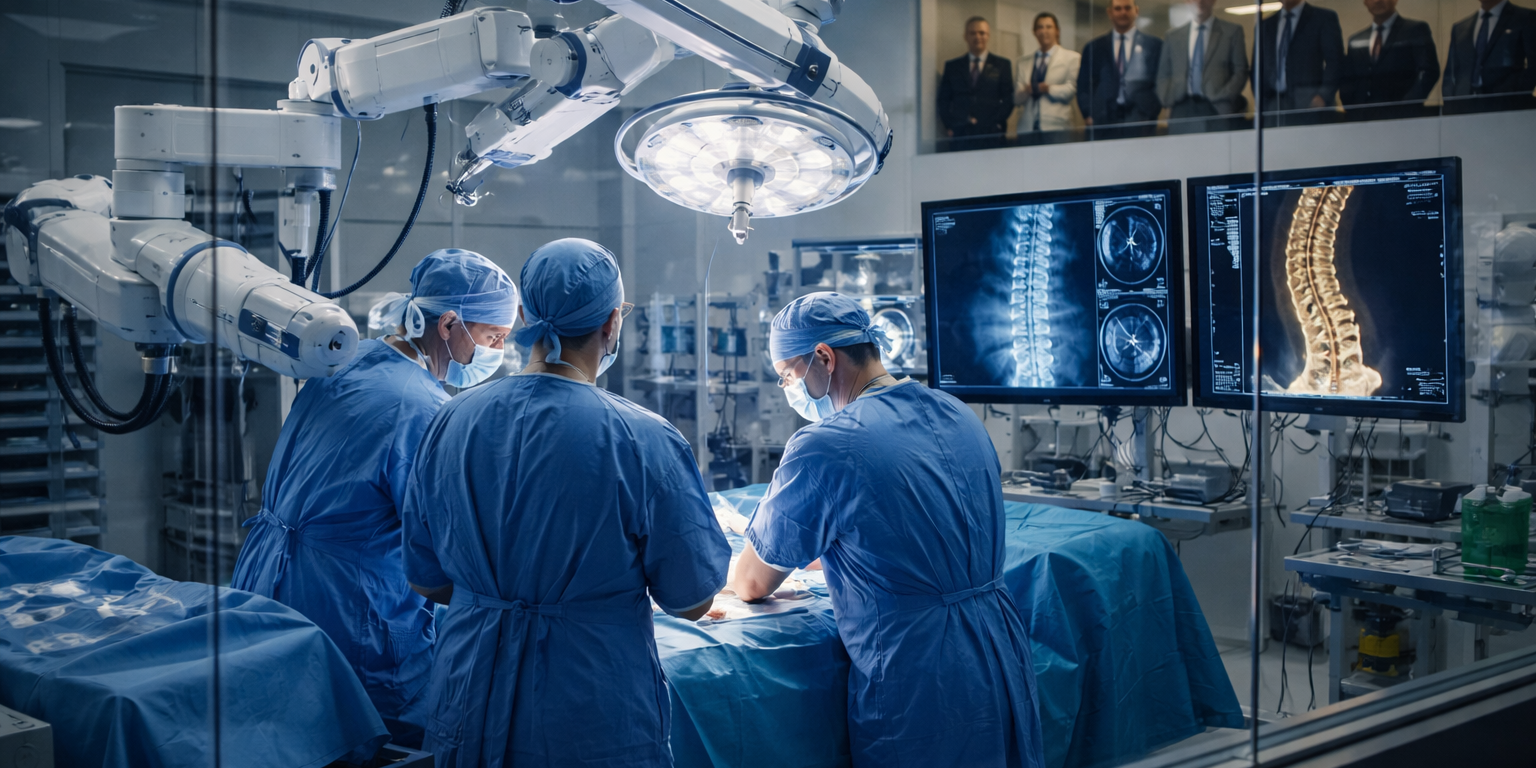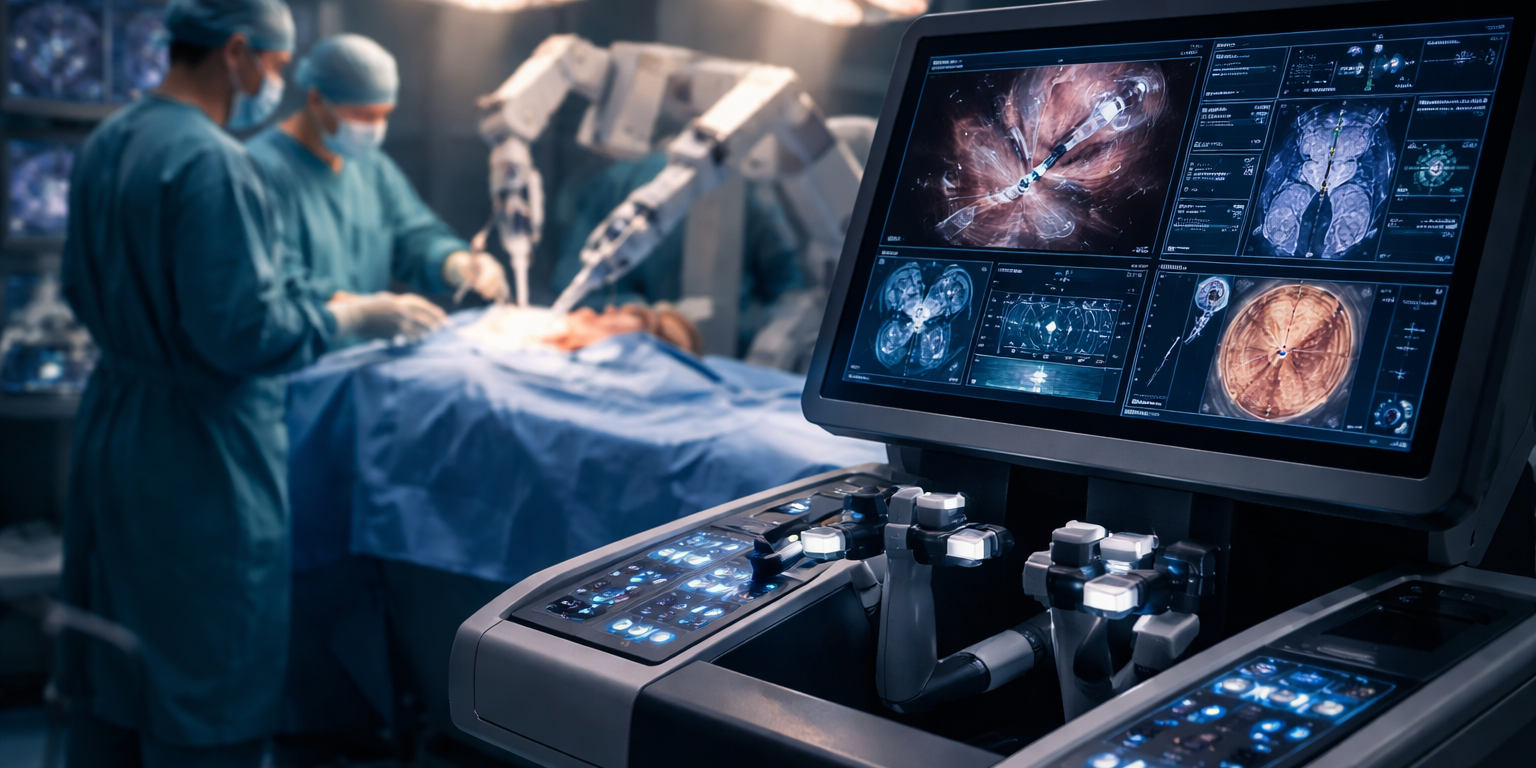
Intuitive Surgical logged 2.1 million procedures using its da Vinci system in the second quarter of 2026, a 22% jump from the same period last year, according to Sands Capital's quarterly investor letter released this week. The investment firm, which holds a significant position in ISRG shares, credits the surge to artificial intelligence features embedded in both the company's Ion bronchoscopy robot and its myMarian surgical data platform. Those enhancements appear to be doing more than improving outcomes. They are changing referral patterns and driving utilization rates that significantly exceed industry benchmarks for surgical robotics adoption.
Sands Capital's analysis points to two specific AI implementations as the primary growth drivers. The Ion system, designed for peripheral lung biopsies, now uses machine learning algorithms to adjust navigation in real time based on patient respiratory patterns and tissue compliance data collected from thousands of prior procedures. Intuitive shipped 385 Ion systems in the first half of 2026, up from 290 in the same period last year. More telling is the utilization metric: hospitals with Ion systems are performing an average of 18.3 procedures per month per robot, compared to 12.7 procedures monthly for competing platforms from Medtronic and Auris Health. The myMarian platform, meanwhile, has expanded from basic surgical video capture to a full decision-support system that analyzes instrument movements, tissue handling, and procedural timelines. Hospitals using myMarian report 11% shorter average procedure times and 14% fewer conversions to open surgery, data that Sands Capital says is accelerating system placements in competitive markets where multiple robotic platforms vie for operating room slots.
The investor letter frames Intuitive's AI push as a defensive moat against emerging competitors. Johnson & Johnson's Ottava system entered limited commercial release in March 2026 with a modular design and lower upfront cost. Medtronic's Hugo platform continues to gain share in Europe, where reimbursement structures favor its open architecture. CMR Surgical's Versius robot has placed more than 300 units globally, targeting procedures Intuitive historically dominated. Sands Capital argues that Intuitive's 7,800 installed base and the procedural data flowing from those systems create a feedback loop competitors cannot replicate quickly. Each procedure generates telemetry that refines the AI models, which in turn improves outcomes, which drives more procedures. The firm estimates Intuitive has accumulated data from 15 million procedures since the da Vinci's FDA clearance in 2000, a dataset that underpins both the Ion navigation algorithms and the myMarian analytics engine. The competitive question is whether that data advantage translates into sustainable margin expansion or simply delays market share erosion by three to five years.
Intuitive's revenue model has shifted alongside the technology. Procedure-based recurring revenue accounted for 73% of total revenue in Q2 2026, up from 68% two years prior. The company now charges a per-procedure software licensing fee for hospitals using the advanced AI features in myMarian, a pricing structure that ties revenue directly to utilization rather than capital equipment sales. Instruments and accessories revenue grew 19% year-over-year, slightly below the procedure growth rate, suggesting either improved instrument longevity or pricing pressure as hospitals negotiate multi-year contracts. System sales revenue was flat, a metric Sands Capital views positively given the large installed base and the shift toward recurring revenue streams. The company placed 312 da Vinci systems in the first half of 2026, compared to 327 in the same period last year, but average system selling prices increased 7% due to higher attach rates for the latest Xi and X models equipped with integrated AI modules. Lease arrangements now represent 41% of new system placements, up from 33% in 2024, as hospitals opt for operating expense treatment and faster technology refresh cycles.
What to Watch: Intuitive's Q3 2026 earnings call on October 17 will provide the first detailed look at Ion system utilization trends outside the United States, where reimbursement approvals lagged by 18 months. The FDA is reviewing a supplemental filing for myMarian's predictive complication alerts, with a decision expected before year-end that could unlock a new tier of software licensing revenue. CMR Surgical has indicated it will release its own AI-assisted training module in November, a direct challenge to Intuitive's data moat. Watch whether Intuitive adjusts its software licensing fees or bundles AI features into base system pricing to defend market share in the sub-$1 million system segment where Versius competes most directly.