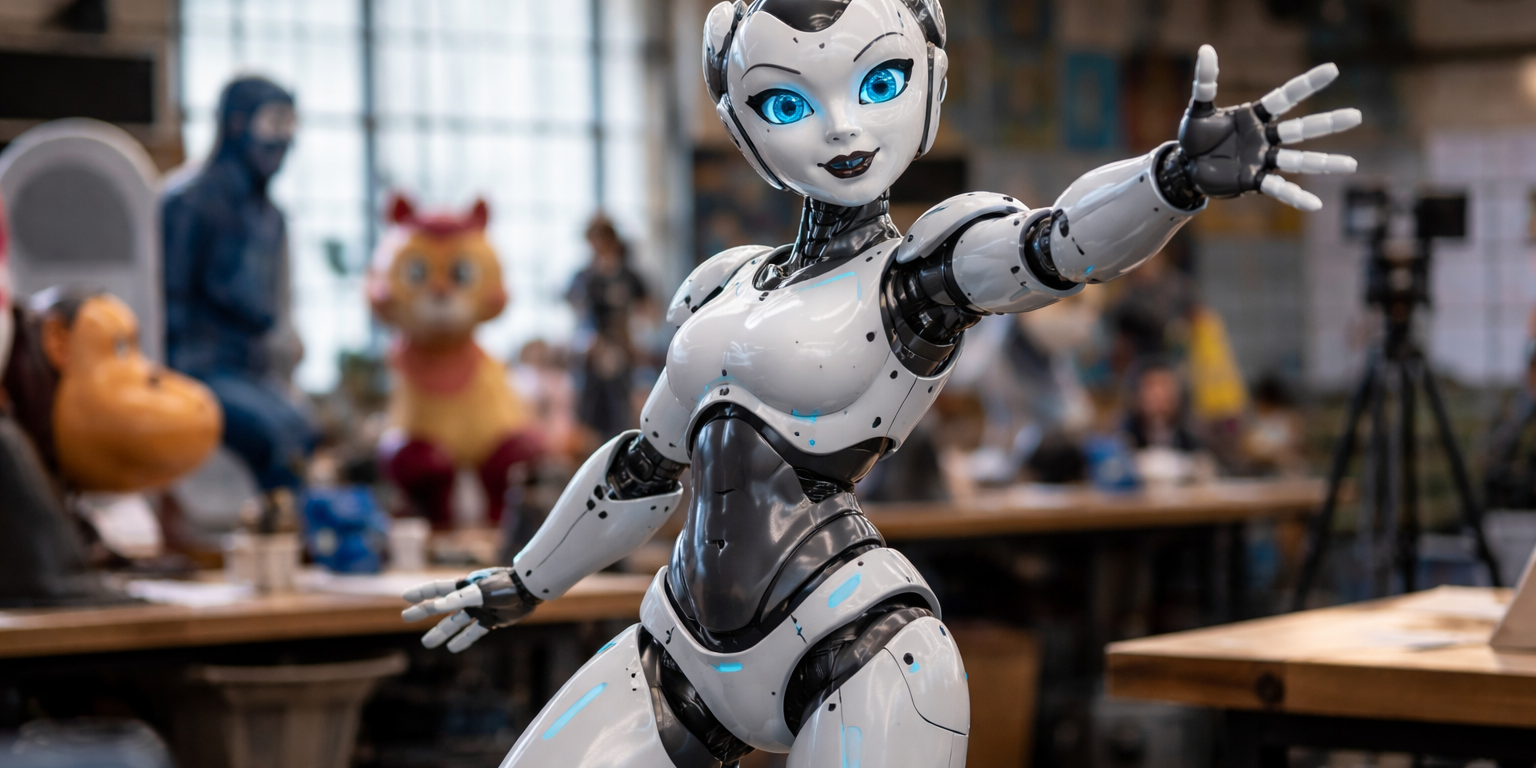
Huayan Robotics plans to occupy booth 11050 at FABTECH Canada 2026, running June 9 through 11 at the Toronto convention center, where the company will display collaborative welding robots featuring force-controlled drag-to-teach programming alongside heavy-payload industrial units. The exhibition represents one of several efforts by Chinese robotics manufacturers to establish a stronger presence in Canadian fabrication shops, where welding automation adoption has historically lagged the United States by eighteen to twenty-four months according to data from the Robotic Industries Association. Force-control technology in welding applications remains technically demanding because maintaining consistent contact pressure between electrode and workpiece while compensating for material variations requires millisecond-level sensor feedback loops that many first-generation cobots could not deliver reliably.
Huayan has manufactured industrial robots in Guangdong province since 2008, initially focusing on spot welding and material handling systems for Chinese automotive suppliers before expanding into collaborative robot platforms around 2018. The company's current product line includes six-axis articulated arms with payloads ranging from three kilograms in desktop cobots to three hundred kilograms in heavy industrial models, though publicly available technical specifications remain limited compared to documentation from established vendors like ABB, FANUC, or KUKA. Drag-to-teach programming, which Huayan emphasizes in its FABTECH promotional materials, allows operators to physically guide a robot arm through desired motion paths while the system records position data and velocity profiles. This approach reduces programming time compared to offline CAD-based path planning, particularly valuable in job shops that handle frequent product changeovers. However, achieving smooth welding passes through physical teaching requires sophisticated force sensing and control algorithms that distinguish between intentional operator guidance and unintended collisions or obstacles.
FABTECH Canada typically attracts eight thousand to eleven thousand attendees, predominantly fabrication shop owners, welding engineers, and production managers from Ontario and Quebec manufacturing operations. The show has served as a launch platform for automation vendors targeting the Canadian market, which represents approximately eleven percent of North American metal fabrication capacity by revenue. Huayan's exhibition comes as Chinese robotics manufacturers face increasingly complex trade dynamics in North America. The Canadian government has not imposed the same level of tariffs on Chinese robotics imports as the United States, creating a potential entry point for companies seeking North American customers while navigating trade restrictions. Welding automation specifically has seen accelerated adoption since 2023 as fabrication shops struggle with welder shortages that the Canadian Welding Bureau estimates have created a gap of approximately twenty-six thousand certified welders nationwide. Collaborative robots that can work alongside human welders rather than requiring safety cages and extensive facility reconfiguration have become particularly attractive to small and mid-size shops with limited floor space and capital budgets.
The technical challenge in collaborative welding extends beyond basic safety compliance into real-time process control. Arc welding generates electromagnetic interference that can disrupt the capacitive and inductive sensors many cobots use for collision detection and force measurement. Heavy-payload robots that Huayan will also display typically serve different applications such as material handling, machine tending, or palletizing, where the force-control requirements differ substantially from welding. These units compete directly with established products from Japanese manufacturers like Yaskawa and Nachi, which have dominated the heavy-payload segment in Canadian automotive and aerospace fabrication. Pricing information for Huayan's systems remains undisclosed, though Chinese robotics manufacturers have historically undercut European and Japanese competitors by twenty to forty percent on comparable payload and reach specifications. The question for Canadian fabricators evaluating any new automation supplier involves not just initial capital cost but long-term support infrastructure, spare parts availability, and integration expertise from local systems integrators who must become familiar with each vendor's programming environment and control architecture.
What to Watch: Monitor whether Huayan announces Canadian distribution partnerships or establishes a Toronto-area technical support office following FABTECH Canada. Track comparisons between Huayan's force-control welding performance and established cobot welding systems from vendors like Universal Robots, Techman Robot, and Doosan Robotics that already have Canadian integrator networks. Watch for pricing disclosures or pilot deployments with named Canadian fabrication shops in the automotive supply chain or structural steel sectors during the second and third quarters of 2026.