Manufacturing sectors tied to medical devices and clean energy infrastructure will push global production value to $968.7 billion by 2030, a trajectory shaped by robotics integration and machine vision systems now standard in high-precision assembly environments. The projection arrives as automotive OEMs retool battery pack assembly lines and pharmaceutical manufacturers install collaborative robots for sterile packaging operations. Market researchers tracking capital equipment spending note that industrial automation hardware purchases jumped 23 percent year-over-year in Q4 2024, with medical device contract manufacturers and solar panel fabricators accounting for the largest share of robotic arm installations.
The shift reflects manufacturing's decade-long move toward what industry analysts term flexible automation—production systems that reconfigure for different products without full line teardowns. Pharmaceutical companies producing biologics now deploy mobile manipulators that navigate cleanroom environments, swapping end effectors between vial inspection and packaging tasks within the same shift. Clean energy manufacturers face similar demands: a single solar module assembly line might produce five different panel sizes in a month, requiring vision systems that adjust pick coordinates and force sensing that adapts grip pressure on the fly. These applications drive sales of industrial PCs with edge AI inference chips, collaborative robots rated for ISO Class 5 cleanrooms, and force-torque sensors with sub-newton resolution. Suppliers including FANUC, ABB, and Yaskawa reported backlog growth exceeding 30 percent in medical and renewable energy verticals during their most recent earnings calls.
Cloud-based manufacturing execution systems figure prominently in the forecast, particularly platforms that aggregate data from legacy programmable logic controllers and newer IO-Link sensors into unified dashboards. Automotive tier-one suppliers operating plants across three continents now monitor weld quality, robot uptime, and material flow through cloud interfaces that flag anomalies in real time. One European Tier-one reported reducing unplanned downtime by 40 percent after deploying a cloud MES that correlated robot fault codes with predictive maintenance schedules generated by machine learning models trained on two years of sensor logs. The economics favor cloud deployments: capital costs run 60 percent lower than on-premises historian software and SCADA upgrades, while API integrations with ERP systems cut lead times for production schedule changes from days to hours. Industrial IoT platform providers including PTC, Siemens, and Rockwell Automation disclosed enterprise contract values averaging $2.3 million for multi-site manufacturing cloud rollouts, with medical device and EV battery customers representing their fastest-growing segments.
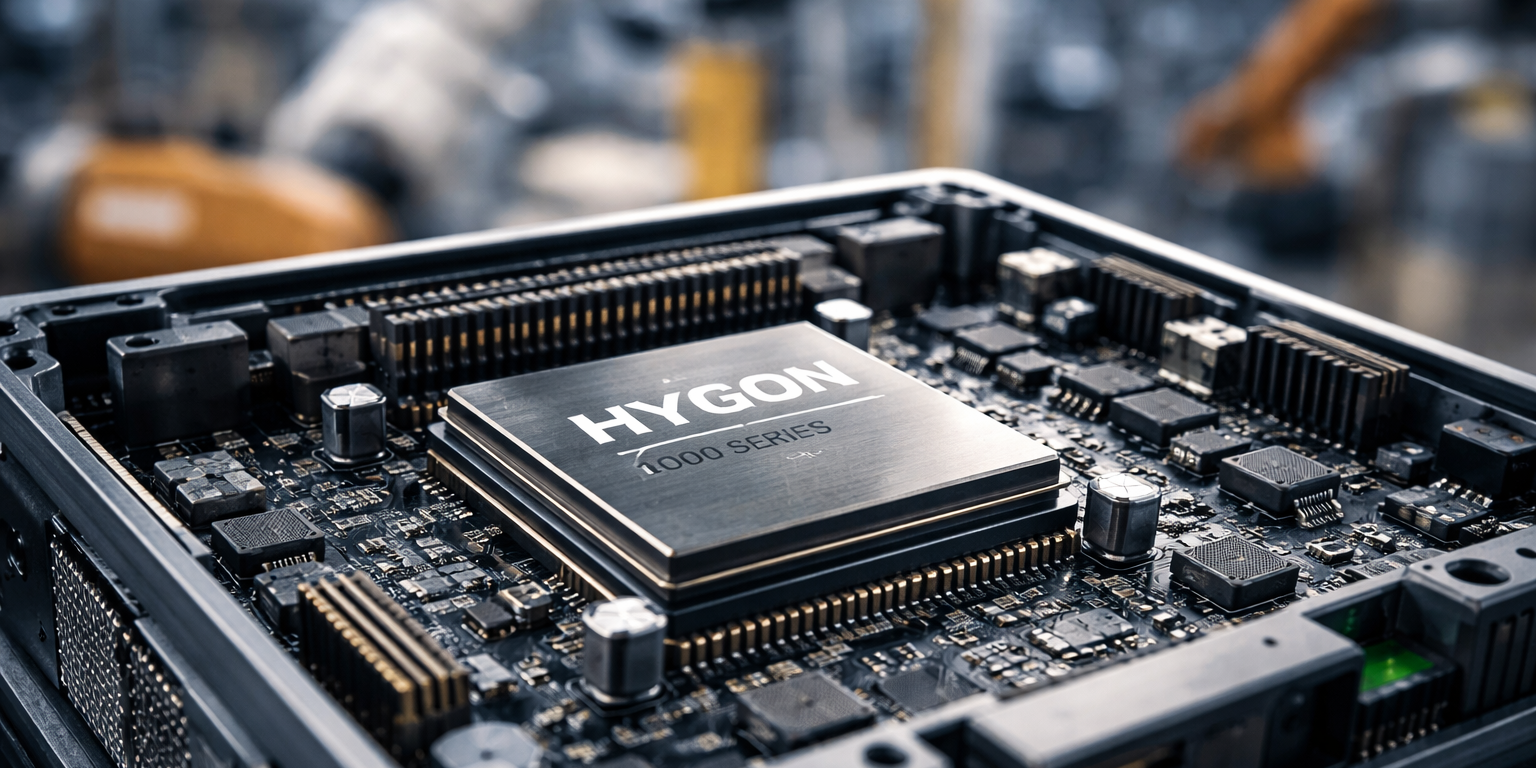
AI-powered quality inspection stands out as the automation category seeing the steepest adoption curve. Computer vision systems using convolutional neural networks now detect defects smaller than 50 microns on machined components, semiconductor wafers, and injection-molded plastic housings. Electronics manufacturers inspecting printed circuit boards replaced human inspectors with vision systems that process 120 boards per minute while maintaining defect detection rates above 99.2 percent, a performance level that enabled lights-out operation during second and third shifts. Medical device makers face even tighter tolerances: a manufacturer of orthopedic implants installed hyperspectral cameras and deep learning inference engines that identify titanium surface irregularities invisible to conventional RGB imaging, cutting scrap rates from 4.1 percent to 0.7 percent over 18 months. The quality control use case drives demand for industrial cameras with global shutters, GPU-accelerated edge servers, and labeled training datasets—a services market that grew to $340 million in 2024 as manufacturers lacking in-house AI expertise contracted with systems integrators to annotate thousands of defect images.
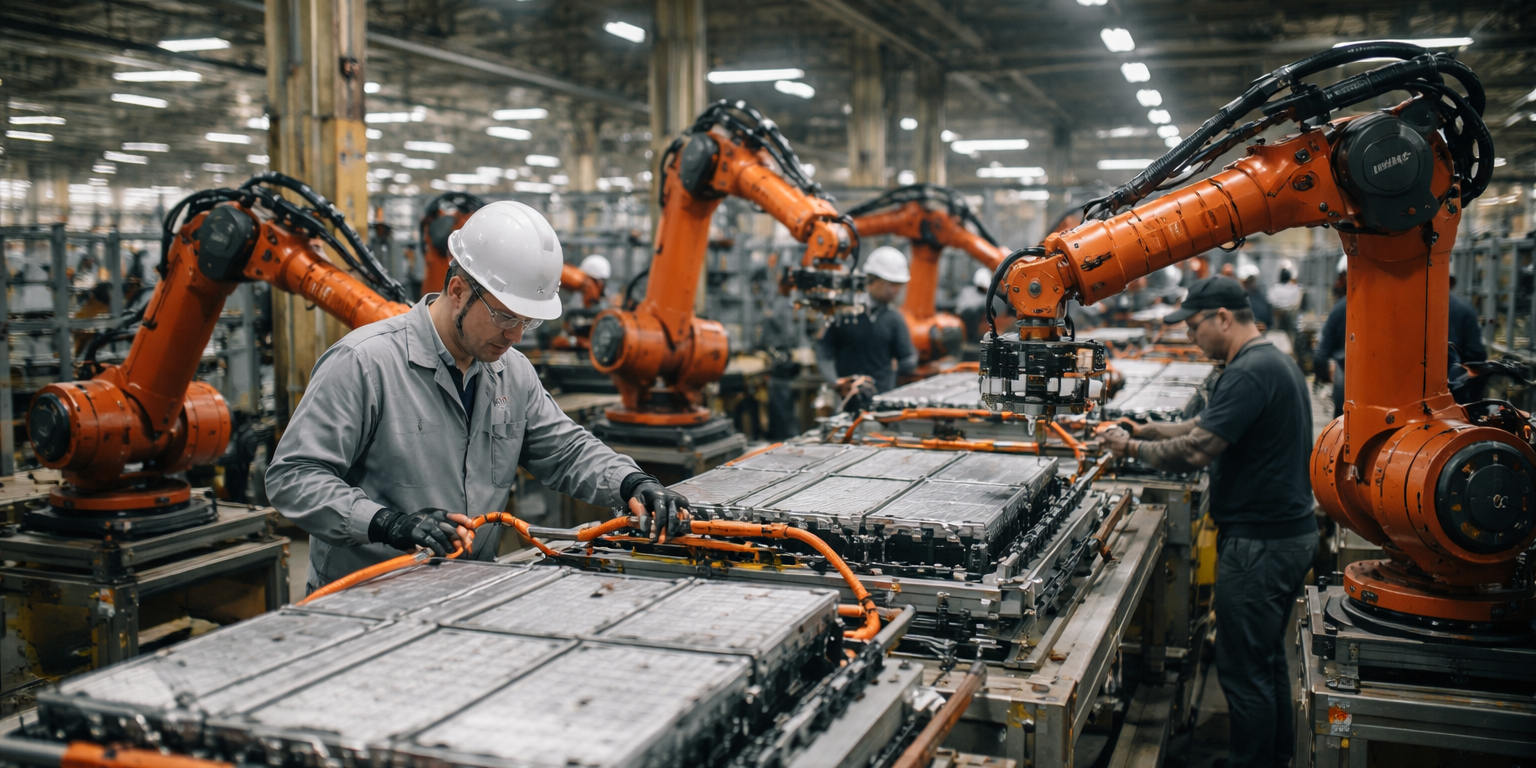
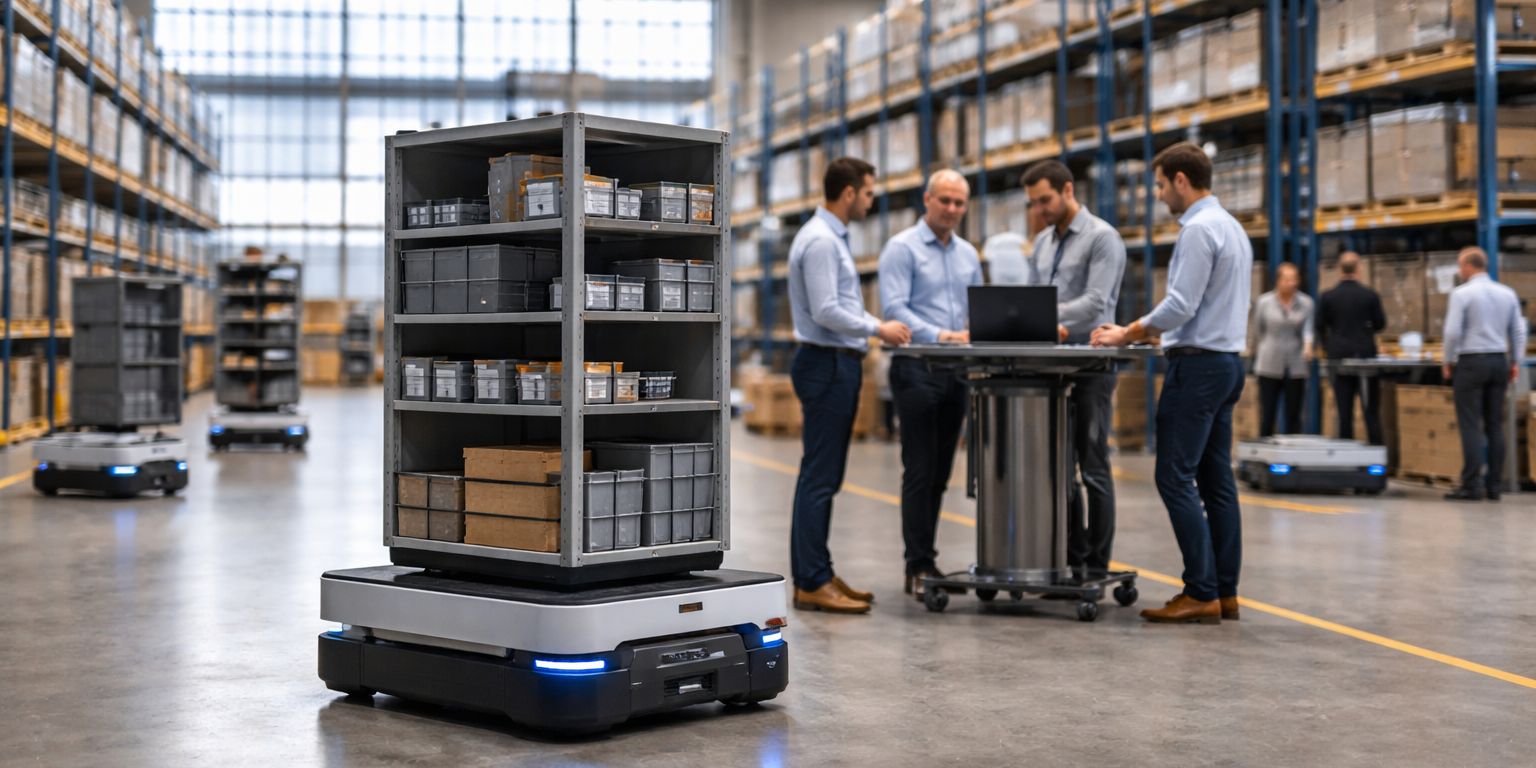
What to Watch: Track Q1 2025 capital equipment orders from automotive battery manufacturers, particularly spend on six-axis robots and automated guided vehicles for cell assembly and module handling. Monitor partnership announcements between industrial automation vendors and cloud platform providers, especially integrations that connect robot fleet management software with enterprise manufacturing execution systems. Watch for FDA clearances of medical devices produced on fully automated lines, a regulatory milestone that will accelerate pharmaceutical and surgical instrument makers' adoption of collaborative robots in sterile processing environments.