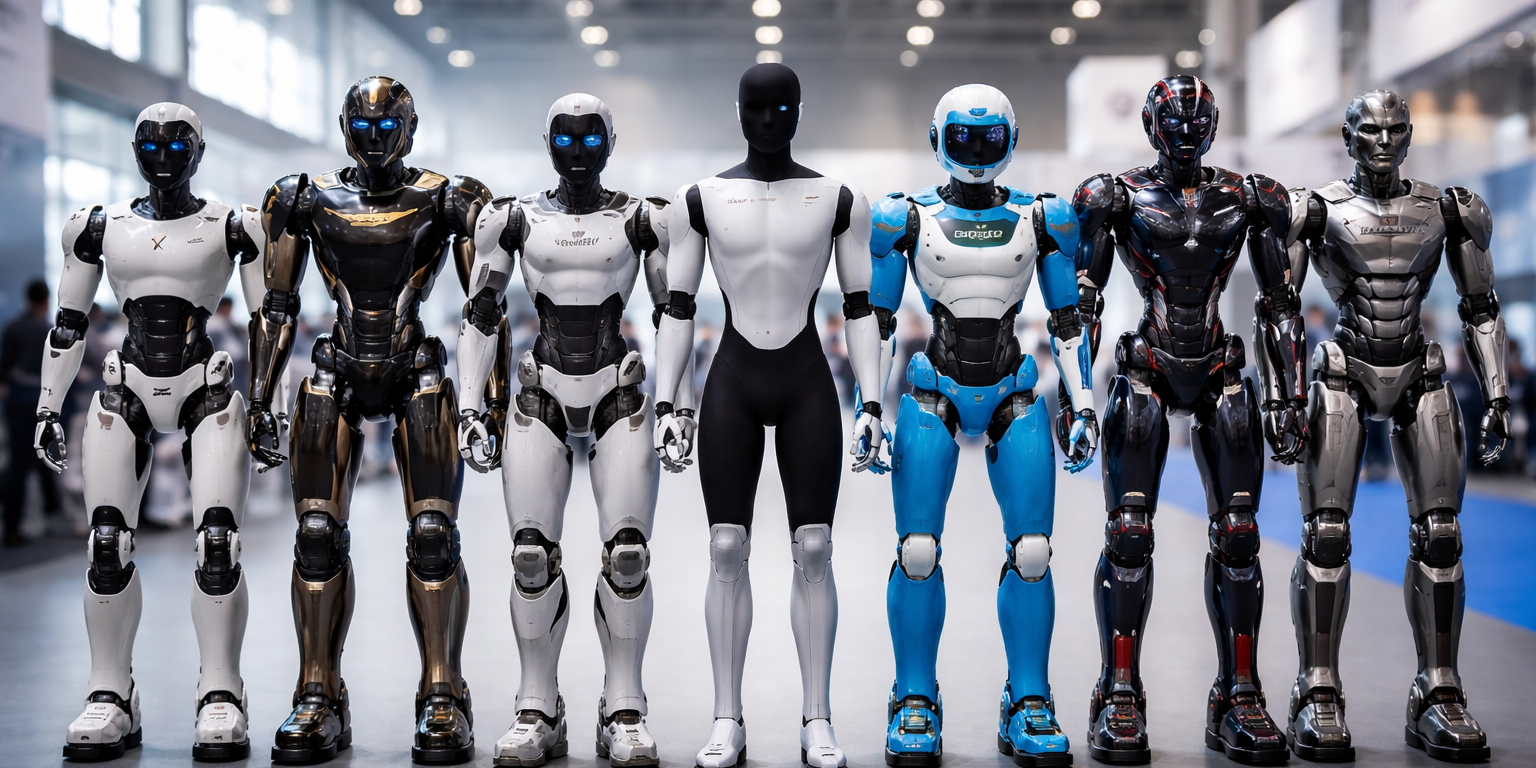
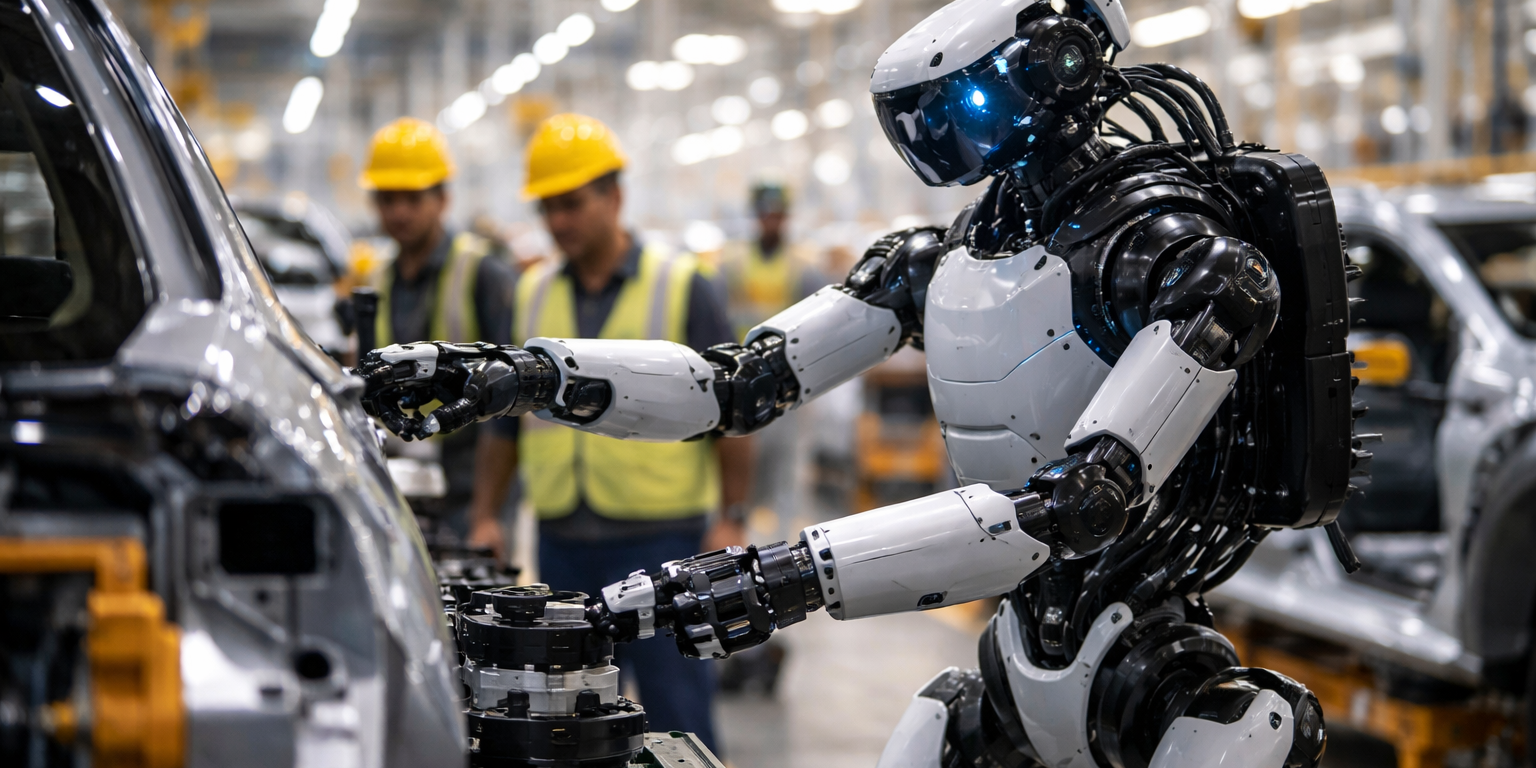
One hundred humanoid robots entered Chinese homes this month through a program organized by a robotics manufacturer that has declined public identification. The units went to employees of the company itself, a distribution strategy that keeps early-stage testing within a controlled population while moving beyond the factory pilots that have dominated humanoid deployments to date. Household assistance forms the core mission, though the company has released no technical specifications about manipulation capabilities, navigation systems, or task repertoires. The scale distinguishes this effort from earlier isolated experiments. Deploying 100 units simultaneously generates comparative data across diverse home layouts, family structures, and daily routines—information that laboratory testing and single-unit trials cannot replicate. Employee homes provide legal cover and streamline feedback channels, allowing engineers direct access to users who understand they are participating in development rather than purchasing finished consumer products.
China's interest in domestic humanoid robots connects directly to population projections that have alarmed policymakers for years. The nation's fertility rate has fallen below replacement level while life expectancy continues rising, creating what demographers call a demographic inversion. By 2035, government estimates place the over-60 population at 400 million, roughly 30 percent of the total. Care infrastructure has not kept pace. Nursing facilities face chronic understaffing, and cultural expectations that adult children will care for aging parents collide with economic realities that often require dual incomes. Migrant labor previously filled some gaps, but that workforce is itself aging and shrinking as younger generations pursue education and urban employment. Humanoid robots capable of assisting with medication reminders, mobility support, meal preparation, and companionship could address these shortfalls if performance and cost reach viable thresholds. The current deployment tests whether existing hardware and software can handle the unstructured environments and unpredictable demands that define home care, questions that factory applications do not answer.
The unidentified manufacturer joins a crowded field of Chinese humanoid developers that includes Unitree, which has priced its G1 model under $16,000, and several state-backed research institutes racing toward commercial launches. Beijing designated humanoid robotics a priority industry in 2023, directing subsidies and coordination through the Ministry of Industry and Information Technology. That designation followed years of investment in components—servo motors, force sensors, vision systems—that previously lagged behind Japanese and American suppliers. Domestic production of these elements has improved quality and reduced costs, enabling Chinese manufacturers to undercut Western pricing while accepting lower margins during market formation. Deployment strategy also diverges. American companies such as Figure and Agility Robotics have concentrated on warehouse and logistics applications where tasks are repetitive and environments are structured. Tesla's Optimus prototypes remain confined to controlled demonstrations despite Elon Musk's public predictions about timeline. European efforts have similarly emphasized industrial settings. China's focus on home care reflects both demographic necessity and a calculated bet that residential applications will prove easier to commercialize than logistics, where incumbent automation solutions already deliver reliable performance. If humanoid robots can demonstrate value in unstructured home settings, the argument goes, adapting them to structured warehouses becomes straightforward. The reverse may not hold.
Performance data from this 100-unit cohort will determine whether optimism about domestic humanoids reflects realistic assessment or premature hype. Current limitations are substantial. Battery life restricts operating duration, typically to two or three hours of active tasks before recharging. Manipulation remains clumsy; robots struggle with objects that vary in texture, weight, or fragility. Navigation systems that function reliably in mapped warehouses often fail in homes where furniture moves and lighting changes throughout the day. Natural language processing has improved but still misinterprets requests, particularly from older users whose speech patterns differ from training data. Falls and collisions pose safety risks in environments designed for humans, not machines. Whether the deployed units can manage even basic assistance—retrieving items, opening doors, providing reminders—without constant human intervention remains an open question. If they can, China will possess deployment experience and user feedback that competitors lack, potentially accelerating iteration cycles and building consumer familiarity ahead of Western market entry. If they cannot, the gap between demonstration videos and functional products will become undeniable, forcing recalibration of timelines and expectations across the industry. Either outcome yields strategic information, which may explain why the deploying company has avoided publicity that would intensify scrutiny during this experimental phase.
What to Watch: Monitor whether the anonymous manufacturer reveals itself or releases performance metrics within 90 days, as Chinese companies often use staged disclosure to control narratives around new technology. Track pricing announcements from Unitree and other domestic competitors, since successful home deployments would justify premium positioning. Watch for policy signals from the Ministry of Industry and Information Technology regarding safety standards or subsidy expansion for residential robotics. Observe whether U.S. and European developers announce comparable home-testing programs or continue prioritizing industrial applications, which would indicate differing assessments of technical readiness and market timing.