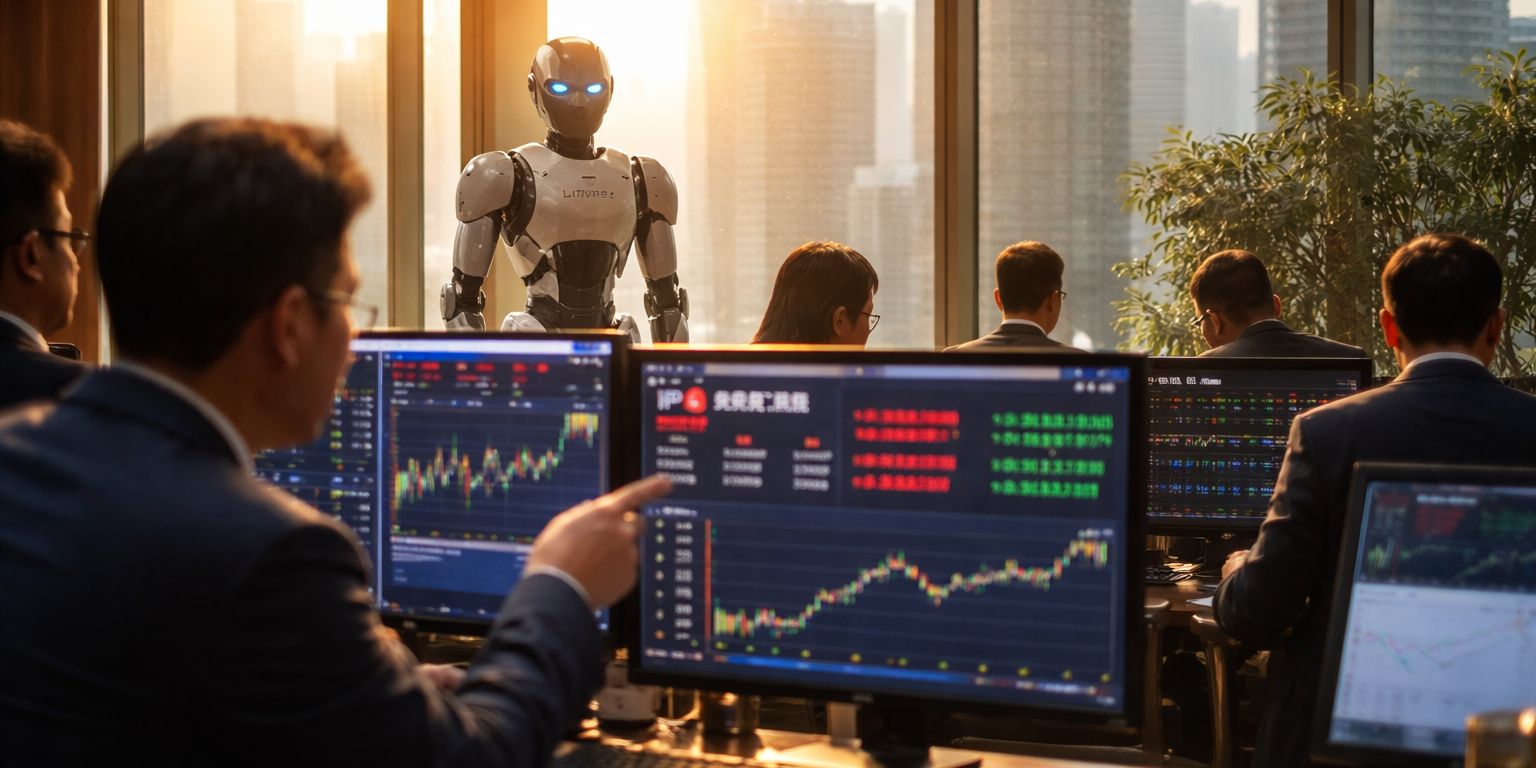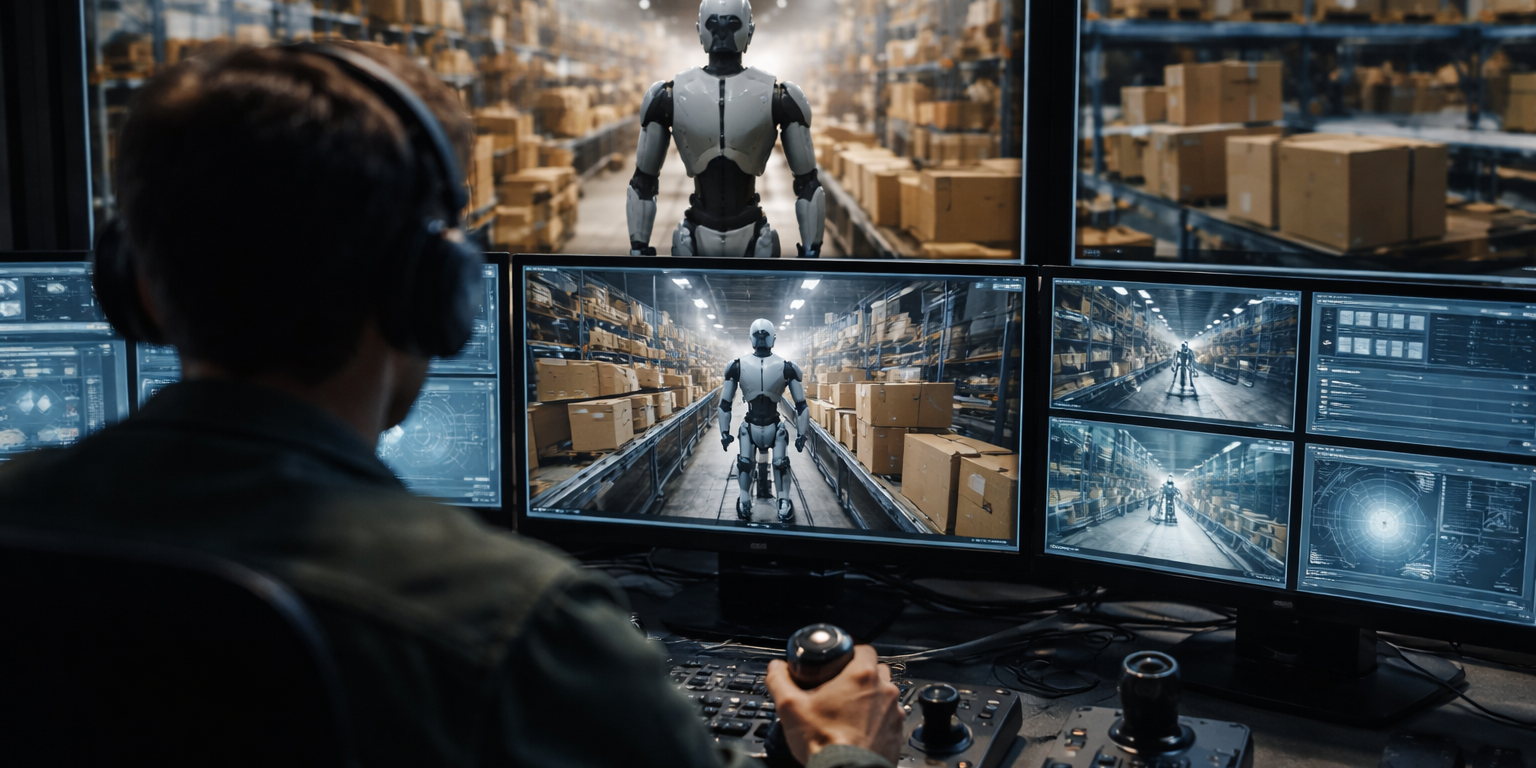
Avatar Robotics secured $6.5 million in seed funding to expand deployment of humanoid robots controlled by remote human operators across industrial facilities, a direct response to persistent labor shortages in manufacturing and warehousing that have pushed employers toward automation despite the technology's limitations. The round positions the company to scale what it calls a hybrid model: pairing physical humanoid platforms with teleoperators who handle the cognitive load while the hardware executes the physical work.
The funding arrives as the robotics industry confronts a stubborn reality. Fully autonomous humanoids remain years away from reliable performance in the chaotic environments of factory floors and distribution centers, where tasks change hourly and edge cases appear constantly. Avatar Robotics frames teleoperation as the bridge technology, allowing companies to capture automation's productivity gains now while sidestepping the brittleness of current autonomy stacks. The company has not disclosed which humanoid platforms it uses, though the teleoperation approach suggests existing hardware from suppliers like Unitree, Agility Robotics, or Figure AI rather than proprietary development. Co-locating operators remotely also opens geographic arbitrage: a single skilled teleoperator in a lower-cost region can control robots across multiple high-cost facilities, a model that resonates with executives facing $18-per-hour warehouse wages in tight labor markets.
The industrial labor constraint Avatar Robotics targets is quantifiable and worsening. Manufacturing employment in the United States has hovered near 12.9 million workers since late 2024, still below pre-pandemic levels, while logistics operators report chronic understaffing even as e-commerce volumes climb. Automation has absorbed some demand, but traditional industrial robots lack the flexibility to handle the mixed tasks humanoids promise: unloading pallets one hour, quality inspection the next, then reconfiguring production lines. Teleoperation addresses the autonomy gap by outsourcing perception and decision-making to humans while the robot handles dexterity and strength. The approach trades scalability for near-term deployability, a calculation that makes sense if labor costs continue rising faster than autonomy improves. Avatar Robotics has not disclosed customer names, deployment timelines, or unit economics, leaving open questions about operator-to-robot ratios, task cycle times, and whether the model pencils out against conventional automation or direct human labor.
The $6.5 million seed round is modest compared to the capital flooding autonomous humanoid developers. Figure AI raised $675 million in early 2025 at a $2.6 billion valuation. Agility Robotics closed a $150 million round in 2024. Tesla continues pouring billions into Optimus development. Avatar Robotics is making a different bet: that the market will pay for a working solution today rather than wait for full autonomy tomorrow. Teleoperation also generates training data. Every hour an operator controls a robot creates labeled examples of how to manipulate objects, navigate spaces, and recover from failures, the raw material for future autonomy. Whether Avatar Robotics intends to build that autonomy in-house or sell the data to platform developers remains unstated. The company has not named its investors, an unusual omission that may reflect strategic backers in the industrial sector who prefer to evaluate the technology quietly before public commitments.
What to Watch: Avatar Robotics will need to name pilot customers and publish case studies with hard productivity metrics within the next 90 days to convert seed funding into commercial traction. Watch for partnerships with humanoid hardware suppliers, particularly any exclusivity deals that would signal confidence in the teleoperation model. Investor identities should surface through SEC filings or follow-on coverage, revealing whether traditional venture capital or industrial strategics are backing the company. Finally, track whether competitors like Sanctuary AI or Figure AI begin offering teleoperation modes alongside autonomy, which would validate the approach but intensify competition for the same industrial customers.