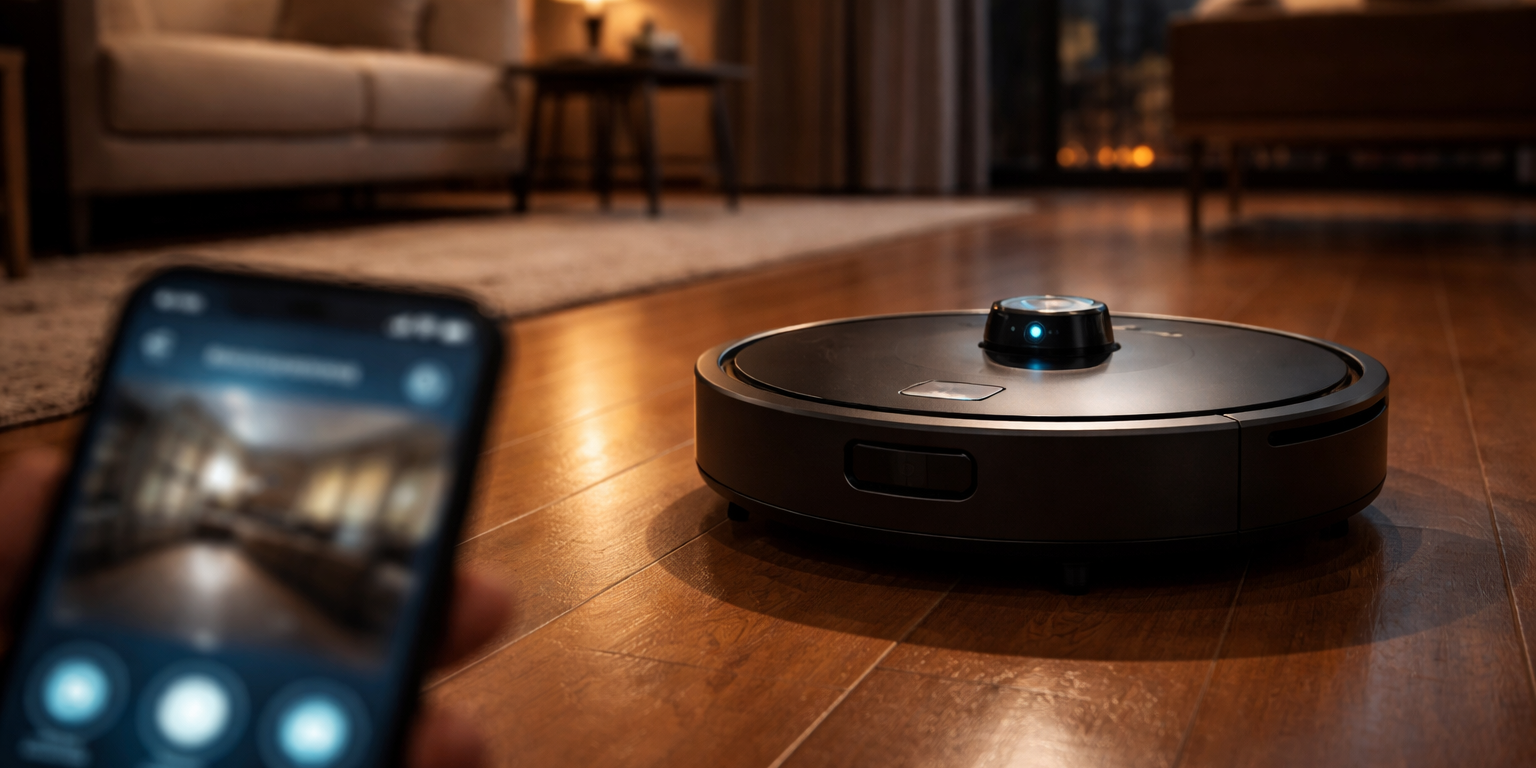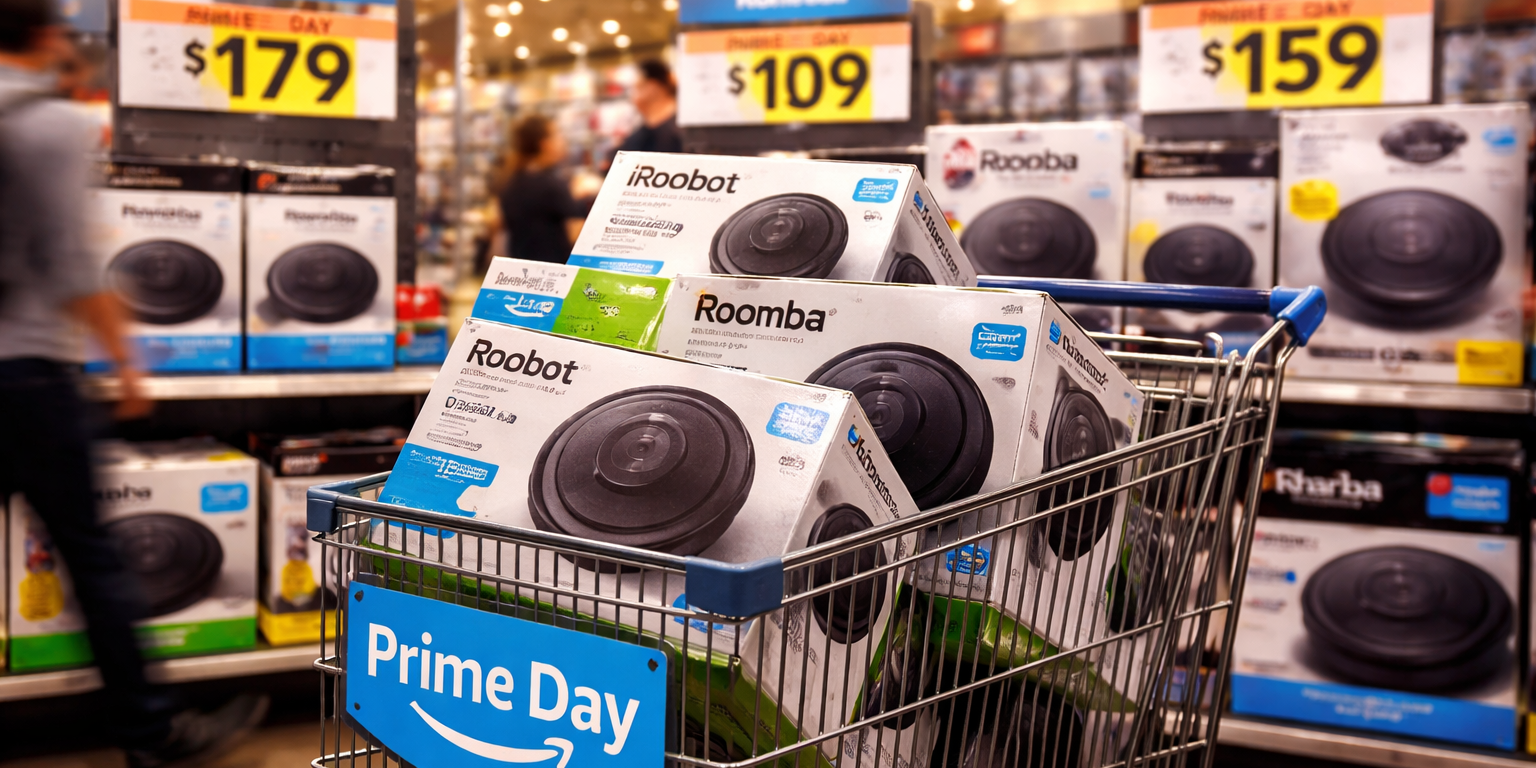
Sixteen different robot vacuum models are currently discounted across Amazon, Best Buy, and Walmart as the second day of Prime Day unfolds, creating what amounts to a coordinated retail push in a product category that has reached significant household penetration but continues to face price sensitivity barriers. The simultaneous promotional activity across competing retailers signals both the maturity of the robot vacuum market and the strategic importance retailers place on the category as a traffic driver, particularly as autonomous cleaning devices approach thirty percent adoption in U.S. homes according to recent consumer electronics tracking data.
The promotional window matters because robot vacuum manufacturers have spent the past eighteen months navigating a complex cost environment. Component prices for LIDAR sensors, brushless motors, and lithium-ion battery packs have fluctuated significantly since late 2024, forcing companies like iRobot, Roborock, and Ecovacs to balance bill-of-materials costs against retail price expectations that remain anchored to earlier generation products. Major retailers ordering large volumes for promotional events can negotiate deeper manufacturer concessions, but those concessions compress already thin margins in a category where the average selling price has declined roughly twelve percent year-over-year despite meaningful feature improvements. The coordination visible in this Prime Day event suggests retailers recognized an opportunity to move inventory while manufacturers accepted margin pressure in exchange for volume, a dynamic that plays out repeatedly in consumer electronics but carries particular weight in robotics where hardware economics remain challenging.
What makes the current promotional environment notable is the specific models being discounted. The sixteen products span entry-level random-navigation models priced below two hundred dollars through premium units with advanced mapping, object recognition, and self-emptying bases that typically retail above seven hundred dollars. This range reflects the segmentation that has emerged in robot vacuums over the past three years as computer vision capabilities, improved simultaneous localization and mapping algorithms, and onboard AI processing have created meaningful performance differentiation. Entry-level units still rely on bump sensors and random patterns, while premium models now incorporate depth cameras, neural network-based object classification, and multi-floor mapping stored in cloud-connected accounts. The discount depth varies considerably by segment, with entry models seeing twenty to thirty percent reductions while premium units show fifteen to twenty-five percent cuts, suggesting retailers are more aggressive on lower-margin commodity products where inventory turn matters more than absolute dollar contribution.
The competitive dynamics extend beyond simple price matching. Best Buy has historically used robot vacuums as a Geek Squad installation and support revenue driver, bundling setup services and extended warranties that improve overall transaction value even when hardware margins compress. Walmart has emphasized its subscription delivery model for replacement parts like filters and brushes, turning one-time hardware sales into recurring revenue relationships. Amazon benefits from tying purchases to Prime membership and subsequently recommending compatible accessories and upgrades through its recommendation engine. These divergent business model approaches mean the robot vacuum category serves different strategic purposes for each retailer, which in turn influences how aggressively they price during major promotional events and what margin they are willing to sacrifice for customer acquisition. For robotics manufacturers, this creates complex channel management challenges as they attempt to maintain brand positioning and margin discipline across retail partners with fundamentally different economics and customer lifetime value calculations.
What to Watch: Track whether iRobot reports Q2 2026 revenue growth when earnings release in late July, as promotional volume during Prime Day will directly impact the quarter. Monitor whether Roborock or Ecovacs adjust their direct-to-consumer pricing on their own websites to match retail promotions, which would signal margin pressure forcing them to compete more directly on price rather than channel segmentation. Watch for any announcements from Best Buy or Walmart about robot vacuum attach rates for services or subscriptions during the back half of 2026, as those metrics will reveal whether the promotional strategy successfully built higher-value customer relationships beyond the initial hardware transaction.