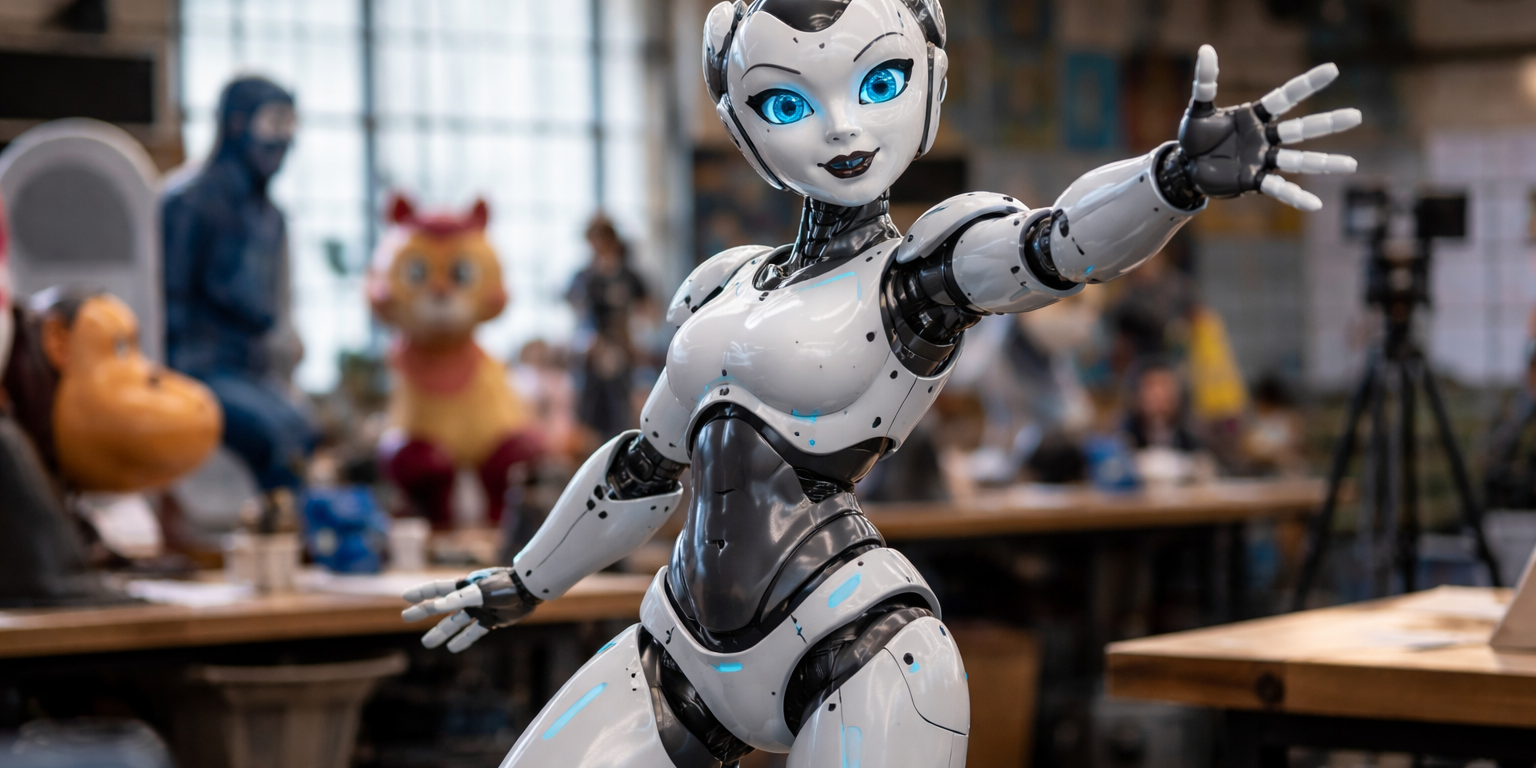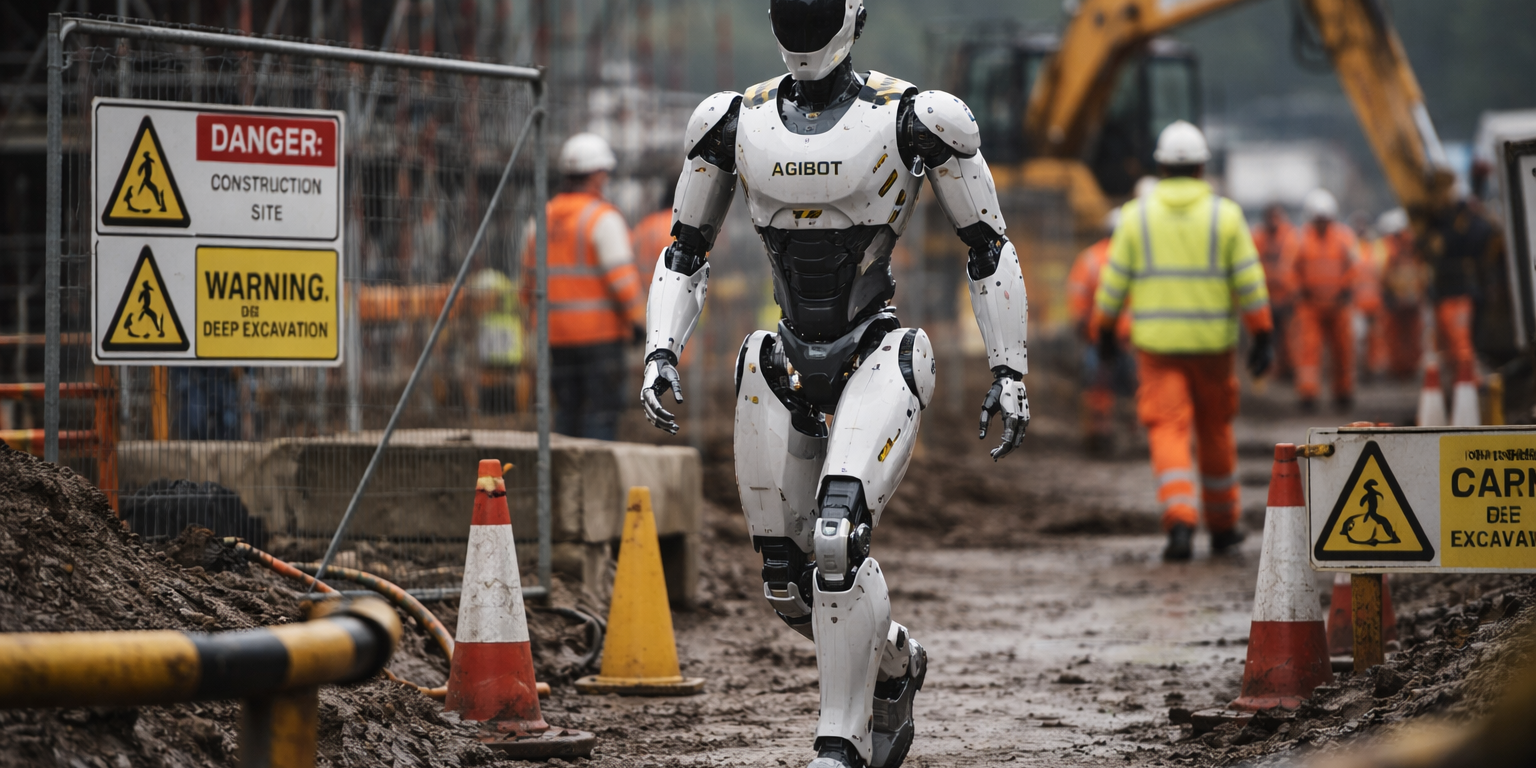
Agibot executives told a room of prospective UK partners that the company's humanoid robots will first target jobs human workers don't want—then eventually move into roles like childhood education. The pitch came during the Suzhou-based firm's inaugural launch event in Britain, where representatives laid out a phased vision that begins with dangerous work environments before expanding into social applications. No deployment timeline was disclosed for the education use case, though the company appears focused on near-term industrial adoption.
The strategy reflects a calculated bet that acceptance of humanoid robots depends on starting where labor shortages are most acute. Mining operations, chemical processing facilities, and construction sites present immediate opportunities, according to Agibot's UK team. These sectors already face chronic recruitment challenges for high-risk positions, particularly in regions where workplace safety standards are rising and insurance costs for human labor are climbing. By positioning humanoids as tools for jobs people actively seek to avoid, Agibot sidesteps the politically fraught question of automation displacing willing workers. The approach mirrors tactics used by early industrial robot manufacturers in automotive welding and paint booths—environments where human presence was already minimal due to health hazards.
Agibot operates manufacturing capacity in Suzhou, part of China's broader push to dominate humanoid robotics production before Western competitors achieve scale. The company has not disclosed production volumes or unit pricing, though it joins a crowded field of Chinese humanoid developers including Unitree, Fourier Intelligence, and UBTECH. What distinguishes Agibot's pitch is the explicit acknowledgment that some applications—like teaching—remain aspirational rather than imminent. Most humanoid robotics firms avoid specifics when discussing future capabilities, preferring to hint at general-purpose utility without committing to concrete use cases. Agibot's willingness to name education as a target vertical, even without a clear path to deployment, suggests either unusual confidence in their development roadmap or a marketing strategy aimed at broadening investor interest beyond industrial buyers.
The UK launch event arrives as European regulators prepare updated frameworks for autonomous systems in workplaces and public spaces. Britain's AI Safety Institute has been evaluating physical AI systems since late 2025, and any educational deployment would likely trigger additional scrutiny around child safety and data protection. Agibot's executives did not address regulatory pathways during the event, focusing instead on technical capabilities and industrial applications. The company's expansion into Europe also positions it to compete directly with established robotics firms like ABB and KUKA, which have begun exploring humanoid form factors for their existing industrial customer bases. Whether Agibot can secure partnerships with UK-based manufacturers or mining operators will test whether Chinese humanoid makers can translate domestic success into Western markets, where procurement often favors local suppliers and geopolitical concerns shape vendor selection.
What to Watch: Monitor whether Agibot announces specific UK industrial pilots or partnerships within the next quarter—without named customers, the launch event remains aspirational. Track regulatory filings if the company pursues any trials involving human interaction beyond industrial settings, particularly given the education claims. Watch for pricing disclosures as Chinese humanoid makers enter competition with European manufacturers, where unit economics will determine adoption rates in labor-constrained sectors.