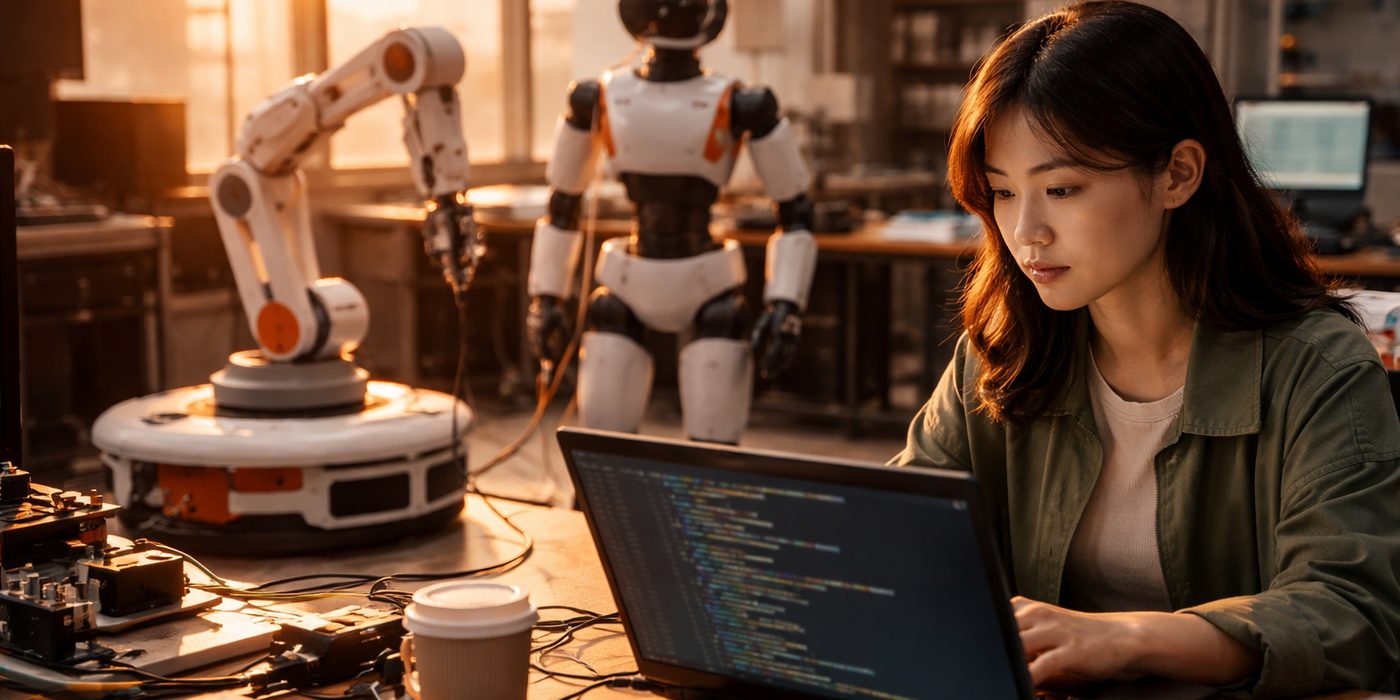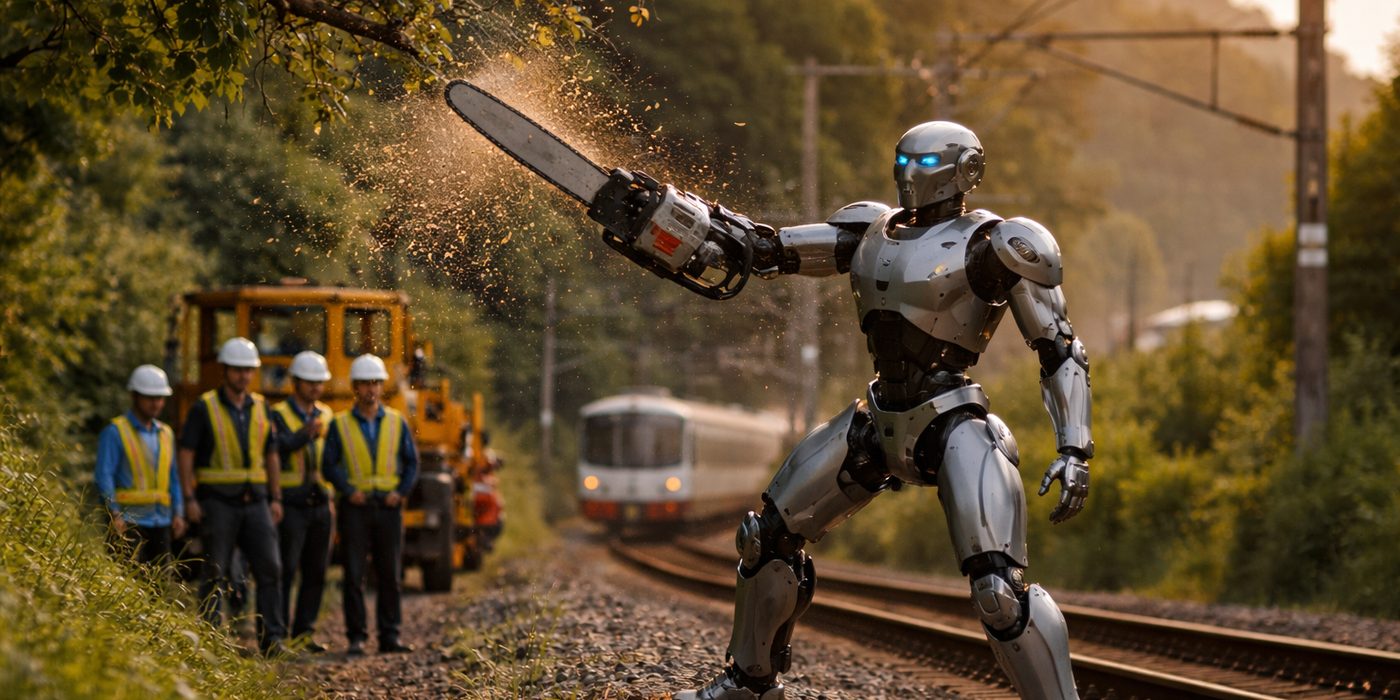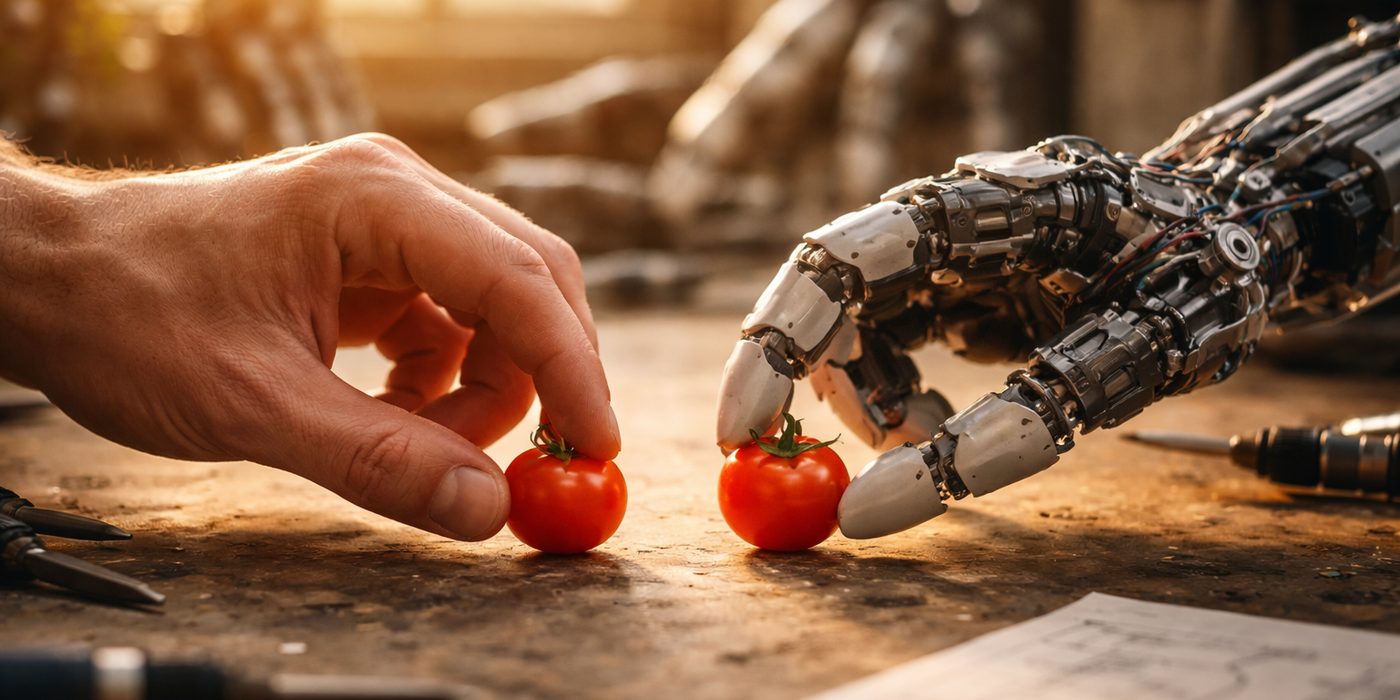
The most useful thing in a robotics handbook is rarely a spec sheet. It is the argument about what to leave out. The Robot Report's 2026 Robotics Handbook, which examines design choices behind dexterous manipulation, humanoid robots, and construction automation, builds its case around that idea: every platform on the market today is the product of a few expensive decisions made early, and those decisions now constrain what each machine can do. The publication frames the year's hardware not as a parade of demos but as a set of engineering wagers, some of which are visibly paying off and some of which are quietly being revisited.
Hands are where those wagers are most exposed. A human hand packs roughly 27 degrees of freedom into a compact, self-healing, tendon-driven package, and no commercial robot hand comes close to matching it at a viable cost and weight. So designers choose. Some pursue anthropomorphic hands with 20 or more actuated joints, accepting the burden of wiring, calibration, and fragility. Others settle on simpler grippers with fewer degrees of freedom and compensate with software. The handbook's treatment of dexterous manipulation reflects an industry still arguing over whether the hand should resemble ours or merely do the job of ours. The answer determines supply chain, maintenance burden, and failure modes for years.
Humanoids sharpen the same dilemma at the system level. The form factor promises compatibility with environments built for people, yet it imposes severe penalties: balance control, battery mass, thermal limits in compact joints, and the safety question of a heavy bipedal machine operating near workers. The handbook's discussion of humanoid design choices points to the actuator as the real battleground. Quasi-direct-drive designs favor backdrivability and force control. Geared and hydraulic approaches favor power density. Each choice ripples outward into cost per unit, noise, efficiency, and how gracefully a robot tolerates the unexpected contact that defines unstructured work. For anyone underwriting a humanoid program, the actuator architecture says more about future margins than the demo reel does.
AI enters the picture less as a feature than as a fault line. Learned policies, vision-language-action models, and large-scale simulation have changed how teams approach manipulation, but the handbook's framing is a reminder that software ambition does not erase hardware limits. A model trained on abundant data still needs sensors that can feel slip, hands that survive repeated impact, and compute that fits inside a power budget a battery can sustain. Construction automation, the handbook's third focus, shows the pattern clearly: rugged, task-specific machines that handle layout, drilling, or material placement often deliver returns that general-purpose humanoids cannot yet match. The lesson for investors is to separate genuine generality from well-packaged specialization, and to ask which customers are paying for outcomes today versus potential tomorrow.
What to Watch Track how humanoid vendors report real deployment data over the next 90 days, particularly hours of unsupervised operation and intervention rates rather than unit announcements. Watch Q4 2026 earnings commentary from actuator and sensor suppliers for signs of which hand and joint architectures are actually winning volume orders. Follow construction-robotics pilots from established players, since measurable productivity gains on job sites will test whether specialized machines keep outpacing general-purpose ones. Finally, monitor announcements around dexterous-hand durability testing, where published cycle-life figures would show whether anthropomorphic designs can survive production use.