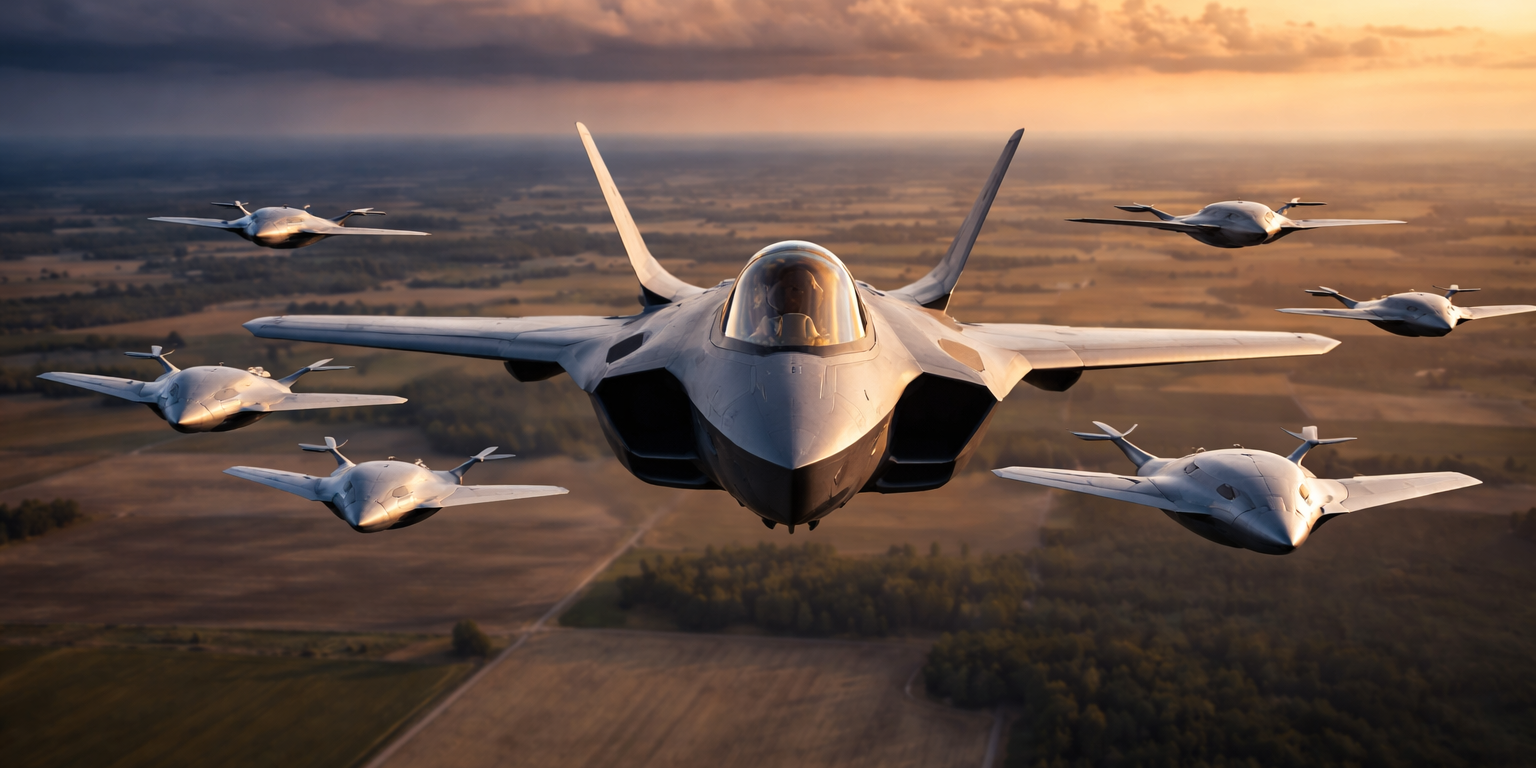
Duke Robotics Corp. closed a $9.2 million underwritten public offering on May 18, 2026, and simultaneously transferred its listing from the OTCQB market to NASDAQ, a dual milestone that expands the Fort Lauderdale company's access to institutional investors and provides cash for scaling operations. The offering—structured as an underwritten deal rather than a direct listing or alternative mechanism—suggests investment banks saw sufficient demand to backstop the share sale, a validation that carries weight in a defense technology sector crowded with startups making ambitious claims. Duke develops drone platforms engineered for tactical military applications and commercial tasks requiring precision payload delivery or surveillance in challenging environments. The NASDAQ uplisting imposes more stringent financial reporting and governance standards but opens doors to index inclusion and fund managers who face mandates prohibiting investments in over-the-counter securities. Duke's ticker symbol on NASDAQ was not disclosed in the announcement, though the company previously traded under DUKR on OTCQB.
The capital injection arrives as defense budgets worldwide allocate growing percentages to unmanned systems, driven by lessons from conflicts in Ukraine, the Middle East, and contested maritime zones where drone swarms have demonstrated tactical impact at lower cost than manned platforms. Duke competes in a market where established players like AeroVironment hold significant U.S. military contracts and venture-backed firms like Skydio have secured nine-figure funding rounds, yet specialized manufacturers retain opportunities by targeting niche mission profiles or payload configurations the giants overlook. Duke has not publicly disclosed revenue figures, customer names, or contract values, which is common for privately held or thinly traded defense contractors operating under non-disclosure agreements with military clients. The company's move to NASDAQ likely aims to remedy that opacity by attracting analyst coverage and forcing regular earnings disclosures that build credibility with procurement officers evaluating vendor financial health.
Underwritten offerings require investment banks to purchase the full share allocation and resell to investors, putting the underwriters' capital at risk if demand falters. This structure contrasts with best-efforts deals where banks merely facilitate sales without committing their own funds. Duke's ability to secure underwriting suggests the banks—whose names were not provided in available materials—conducted due diligence on the company's order pipeline, technology differentiation, and margin structure, then concluded they could place $9.2 million in shares at the agreed price. The offering size itself provides clues about Duke's current scale: a sub-$10 million raise typically funds 12 to 18 months of cash burn for a hardware company with moderate manufacturing overhead, implying Duke likely generates some revenue but remains pre-profitability or operates near breakeven. Companies at this stage often use NASDAQ listings to prepare for larger secondary offerings once they achieve consistent quarters of revenue growth or secure a marquee contract that de-risks future performance.
Defense drone manufacturers face distinct challenges compared to commercial UAV makers. Export controls governed by the International Traffic in Arms Regulations restrict foreign sales of systems deemed to have military utility, limiting addressable markets but also reducing competitive pressure from non-U.S. firms. Margins on military contracts can reach 40 to 60 percent for specialized hardware, far above typical commercial drone economics, but procurement cycles stretch across years and require extensive compliance infrastructure. Duke's decision to pursue both defense and civilian markets suggests a hedging strategy: defense contracts provide high-margin anchor revenue while commercial applications—infrastructure inspection, agricultural monitoring, emergency response—offer faster sales cycles and geographic diversification. The success of this dual-market approach depends on whether Duke's core technology platform adapts efficiently to both use cases or whether serving two masters dilutes engineering focus and complicates manufacturing. Several robotics firms have stumbled by overestimating synergies between military and commercial products that share underlying components but demand vastly different certification, support, and pricing structures.
What to Watch: Monitor whether Duke files an S-1 or 8-K within 30 days disclosing customer concentration, revenue run rate, and which investment banks underwrote the offering. Track Department of Defense contract awards databases for any Duke Robotics prime or subcontractor awards in the $5 million-plus range, which would signal traction beyond prototype sales. Observe whether Duke announces a NASDAQ ticker symbol and first trade date, followed by investor presentation materials that typically surface within 60 days of uplisting. Watch for hiring announcements in manufacturing and program management roles, indicators the company is converting capital into production capacity rather than extended R&D.